Events
Past Events
Maharashtra: Fast Forward to a $1 Trillion Economy
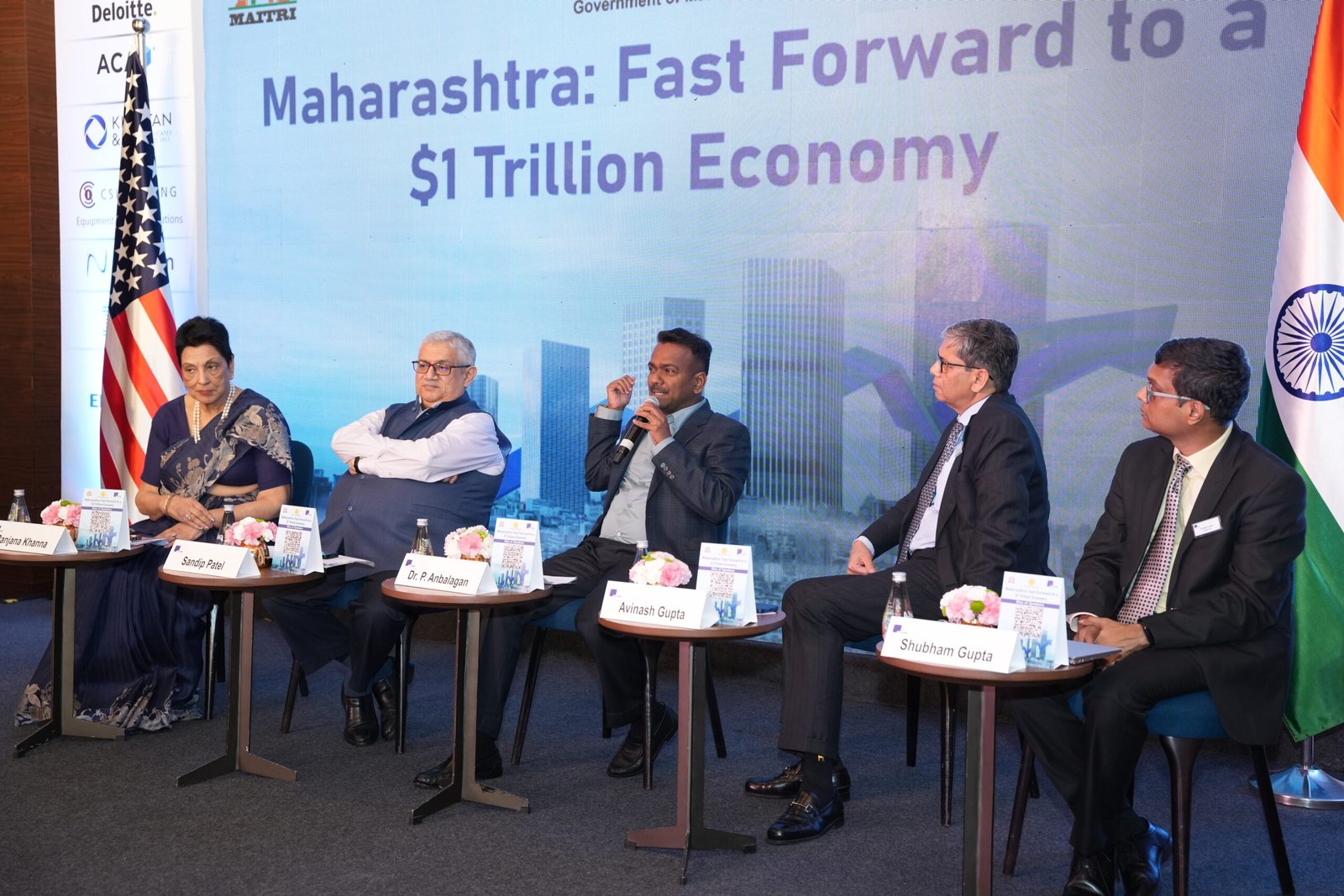
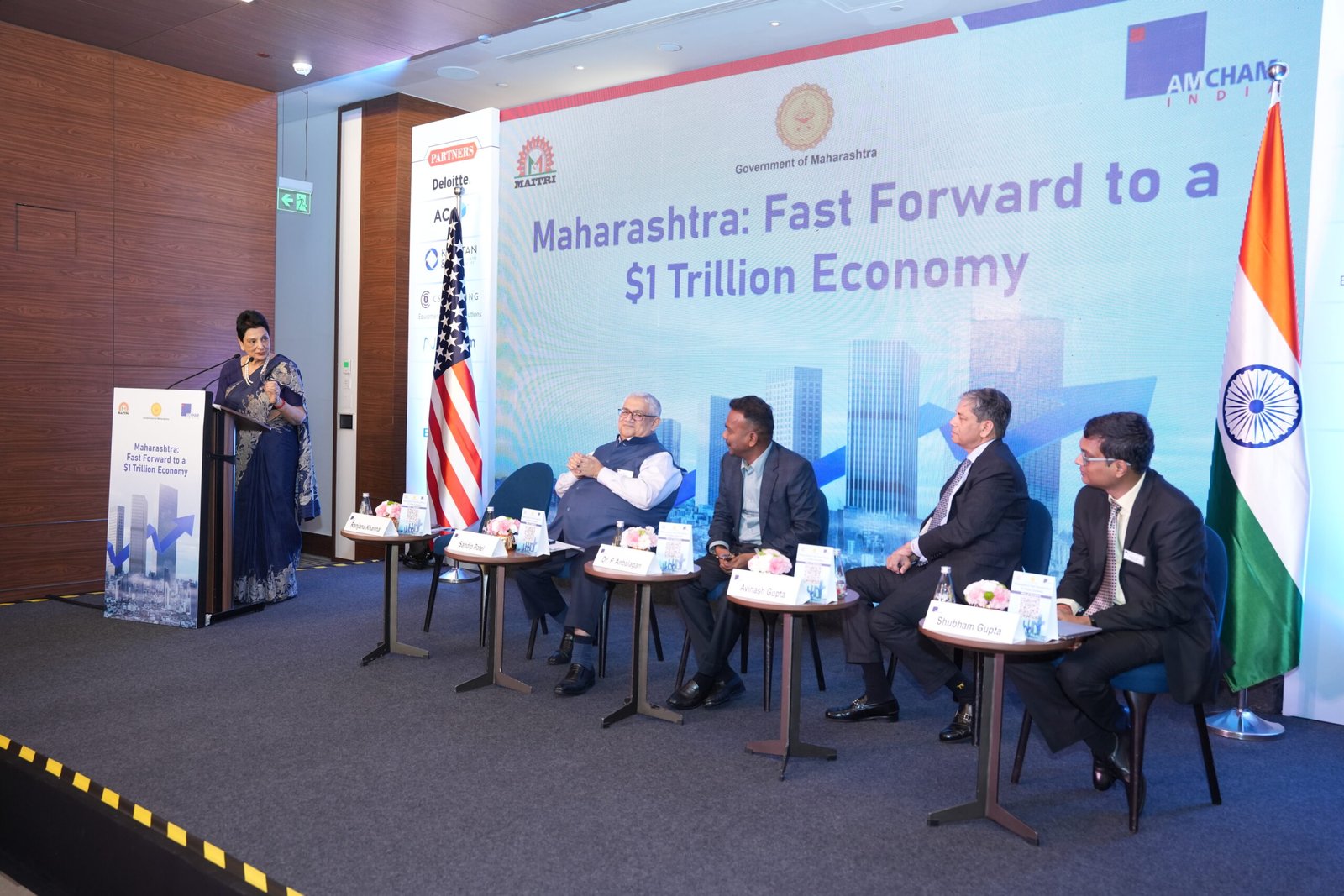
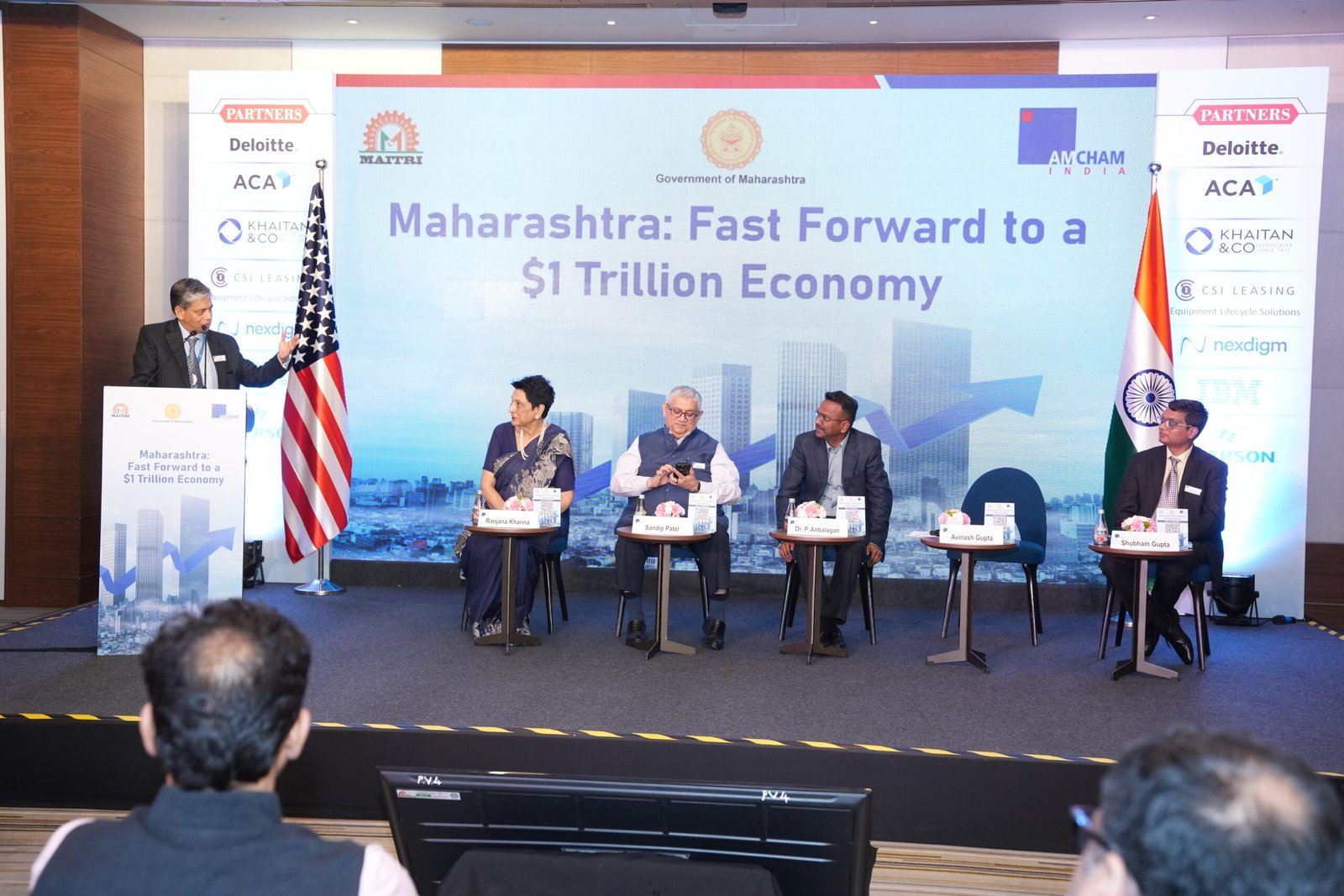
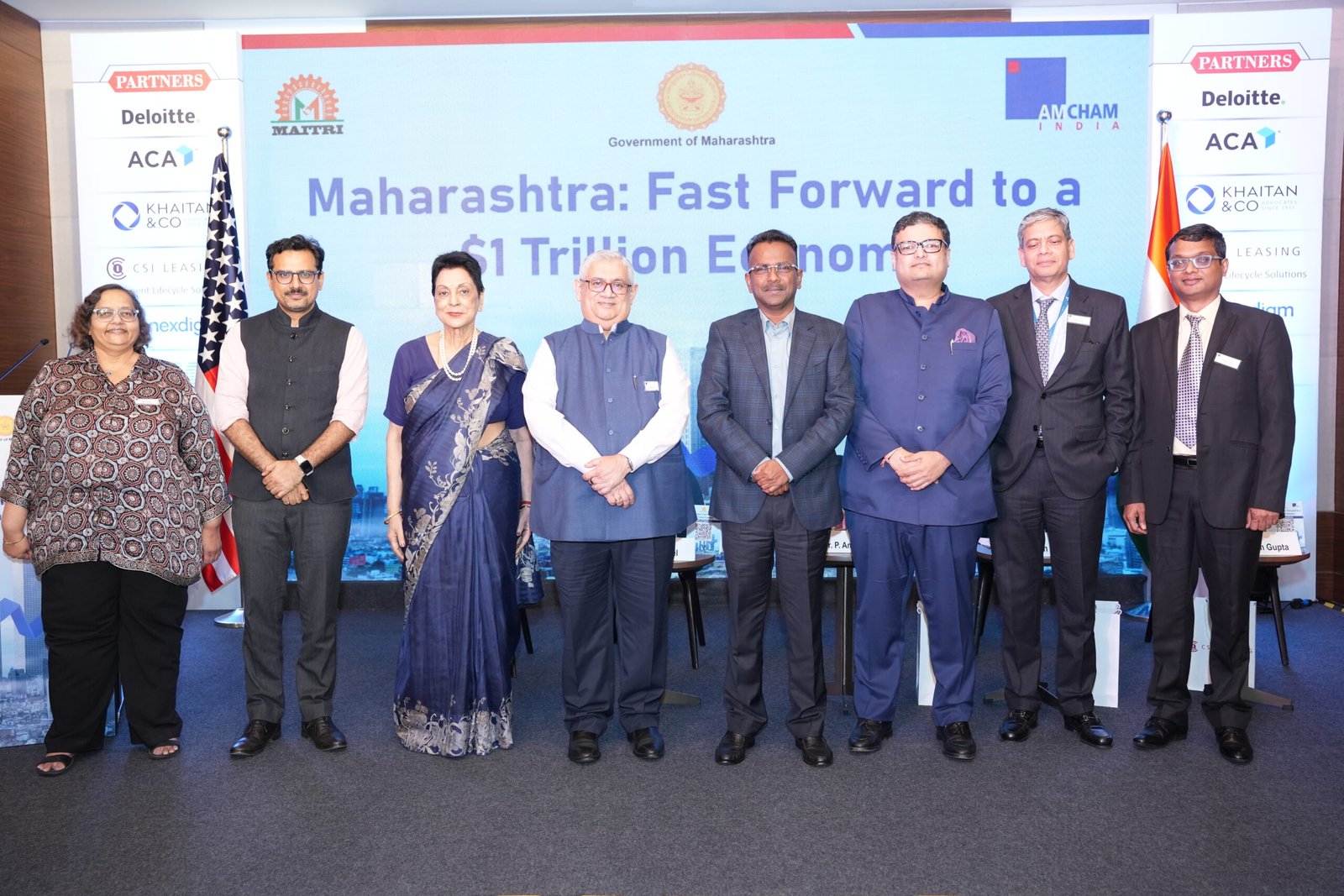
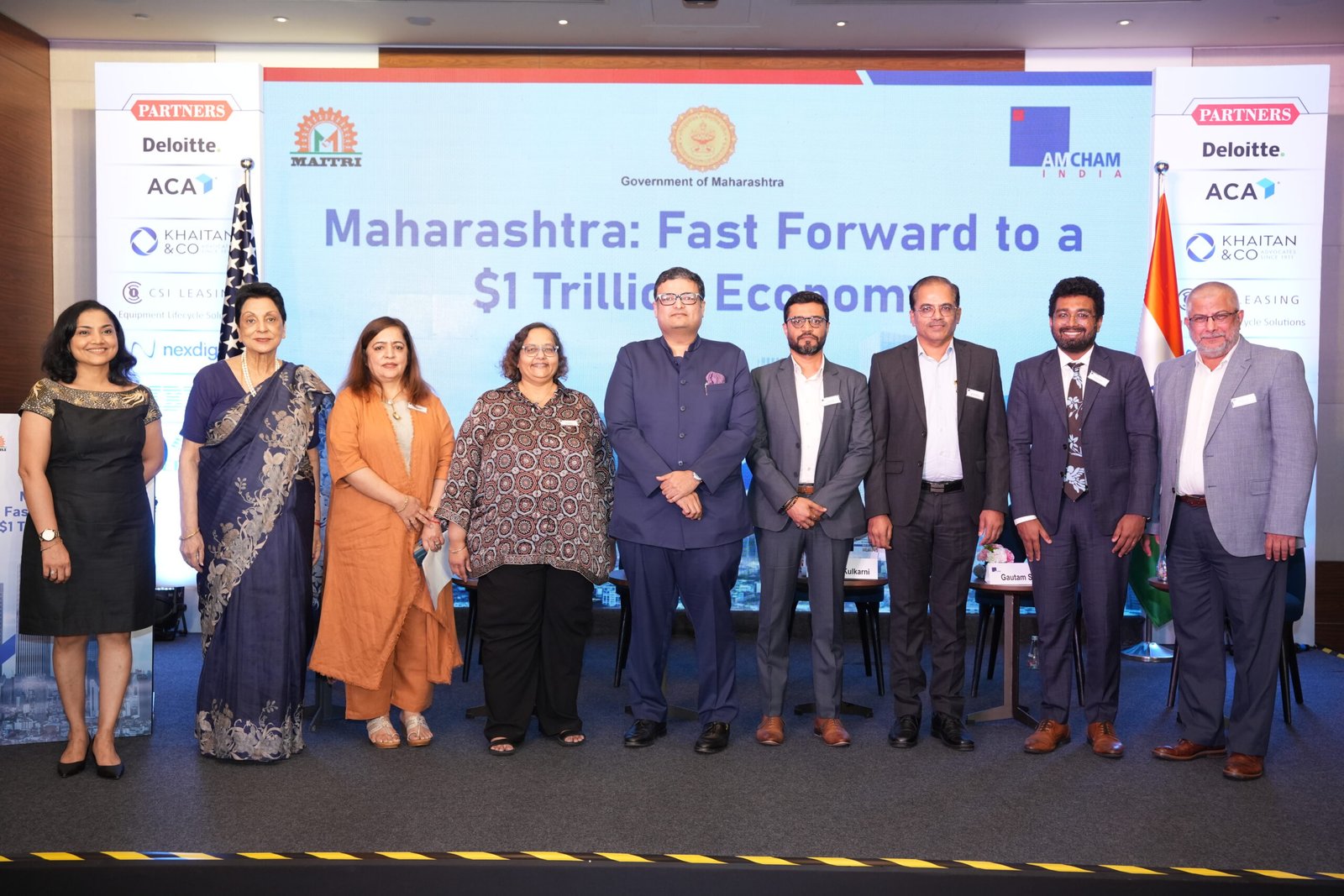
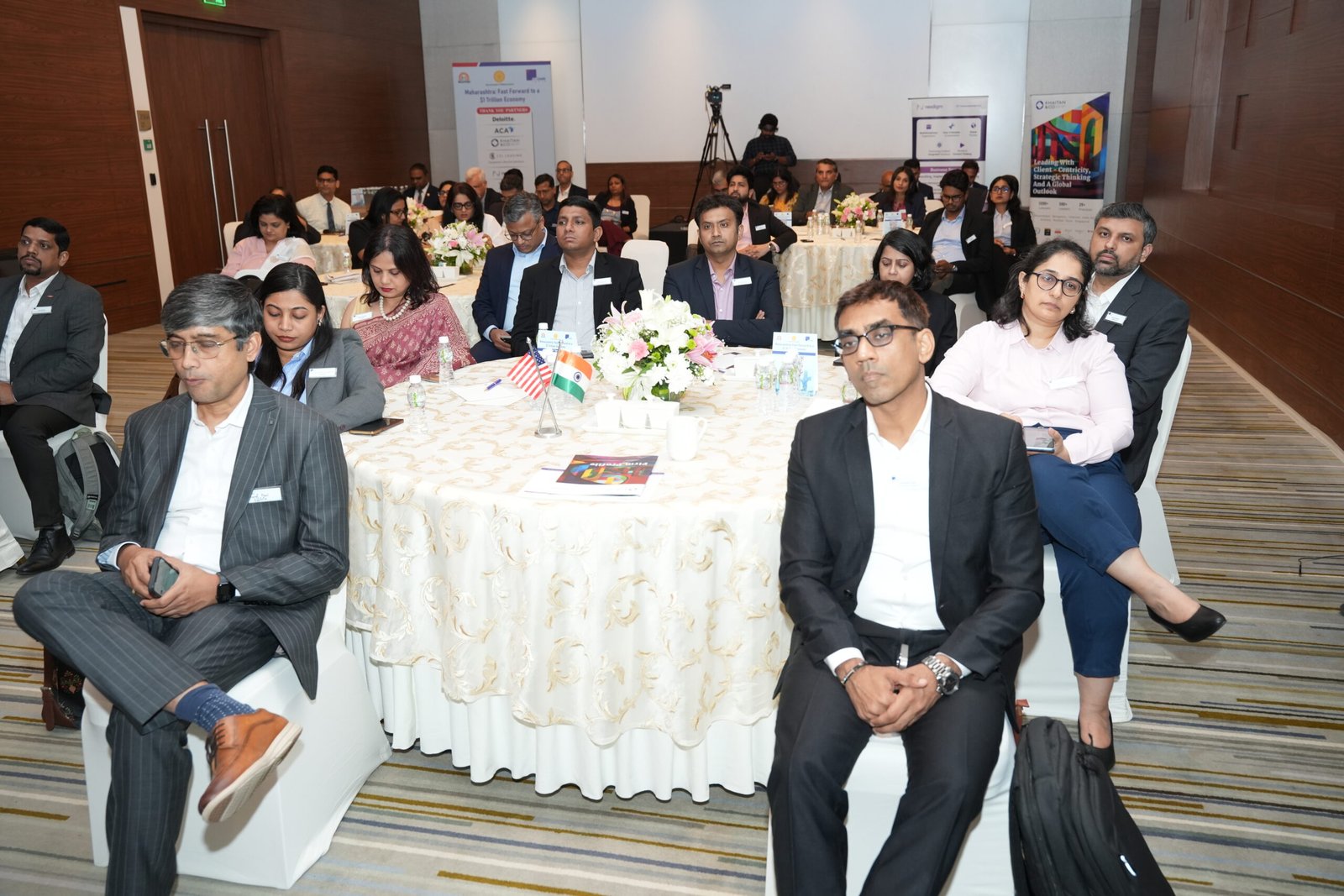
AMCHAM’s Western Region hosted its annual signature conference titled ‘Maharashtra: Fast Forward to a $1 Trillion Economy’ on November 4th at the Jio Convention Centre, Mumbai. The conference brought together senior government officials, global industry leaders, policy experts, and AMCHAM members for a high-level dialogue on Maharashtra’s economic roadmap, its investment priorities, the evolving GCC ecosystem, and strengthening U.S.–India industrial partnership. The event drew strong participation from U.S. multinationals, consulting firms, manufacturing giants, technology companies, financial institutions, and legal and policy leaders.
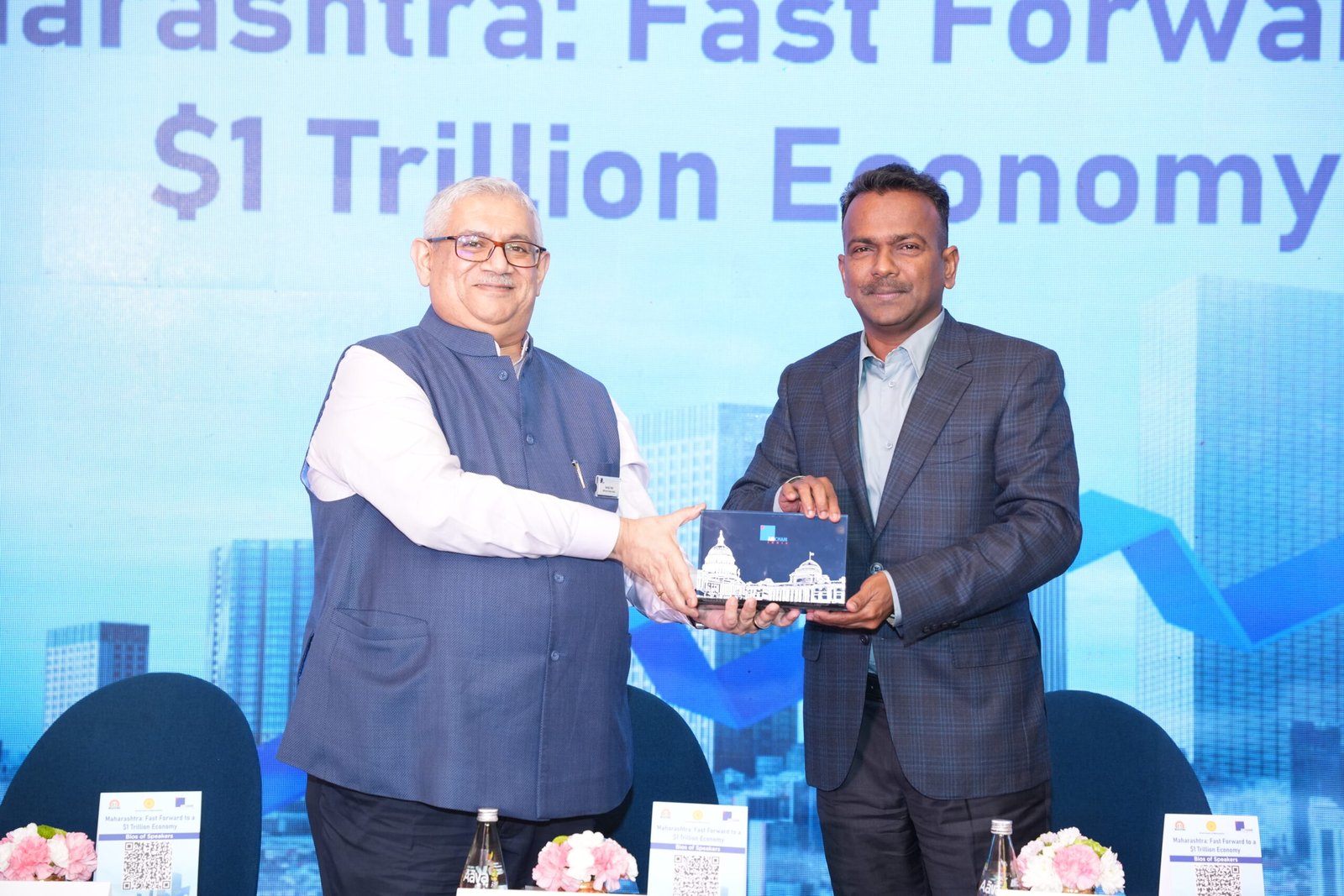
The conference opened with welcome remarks by Ms. Ranjana Khanna, Director General CEO, AMCHAM, who highlighted Maharashtra’s critical role as a hub for U.S. companies and the Western Region’s strong industry-government engagement. She emphasized the importance of continued dialogue to support investor confidence and enable smoother cross-sectoral collaboration. This was followed by Mr. Sandip Patel, Chairman, AMCHAM and General Manager, India/South Asia, IBM, Managing Director, IBM India Pvt. Ltd., who underscored Maharashtra’s position as the economic engine of the country, its centrality to India’s digital and innovation-driven future, and the collaborative role U.S. companies play in enabling the state’s aspiration to become a trillion-dollar economy.
Dr. P. Anbalagan, IAS, Secretary, Industries Department, Government of Maharashtra delivered the keynote address outlining Maharashtra’s industrial strength and growth ambitions. He shared that Maharashtra continues to make the highest contribution to India’s GDP, currently at approximately $530 billion, and maintains top position in FDI inflows with nearly 31% share over two decades. With its strong talent base — 70% of the population in the working age — and its leadership in services, finance, manufacturing, and IT/ITeS, Maharashtra remains the preferred destination for global investors. Dr. Anbalagan elaborated on the state’s roadmap to reach the $1 trillion mark by 2029, with efforts focused on enhancing infrastructure, expanding industrial land availability through 300+ MIDC industrial areas, building specialized sectoral parks, and deepening focus on sunrise sectors such as electronics, green energy, EVs, and semiconductors. He stressed the importance of balanced regional development, with ongoing efforts to diversify investments beyond the traditional industrial corridors of Mumbai, Pune and Nashik.
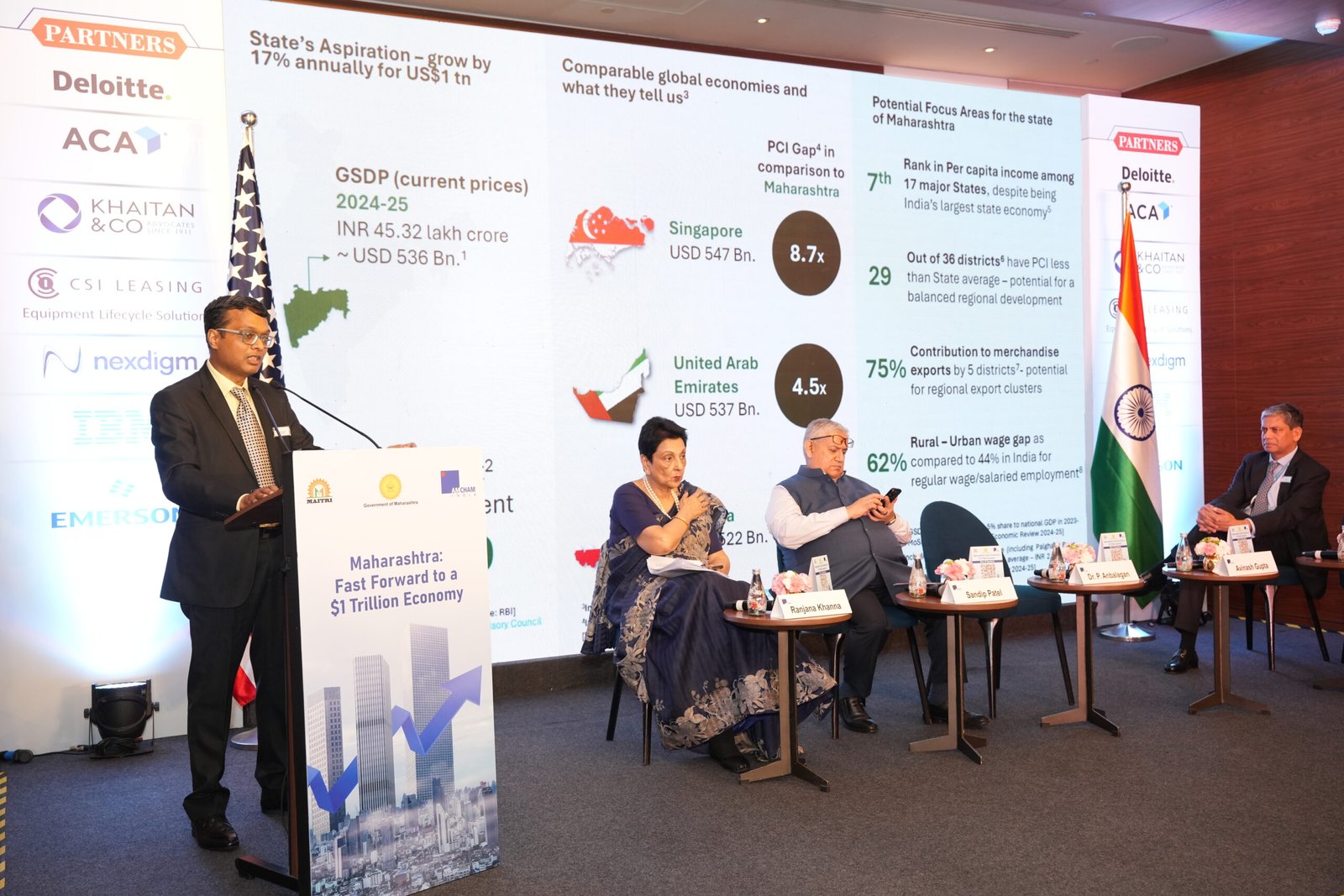
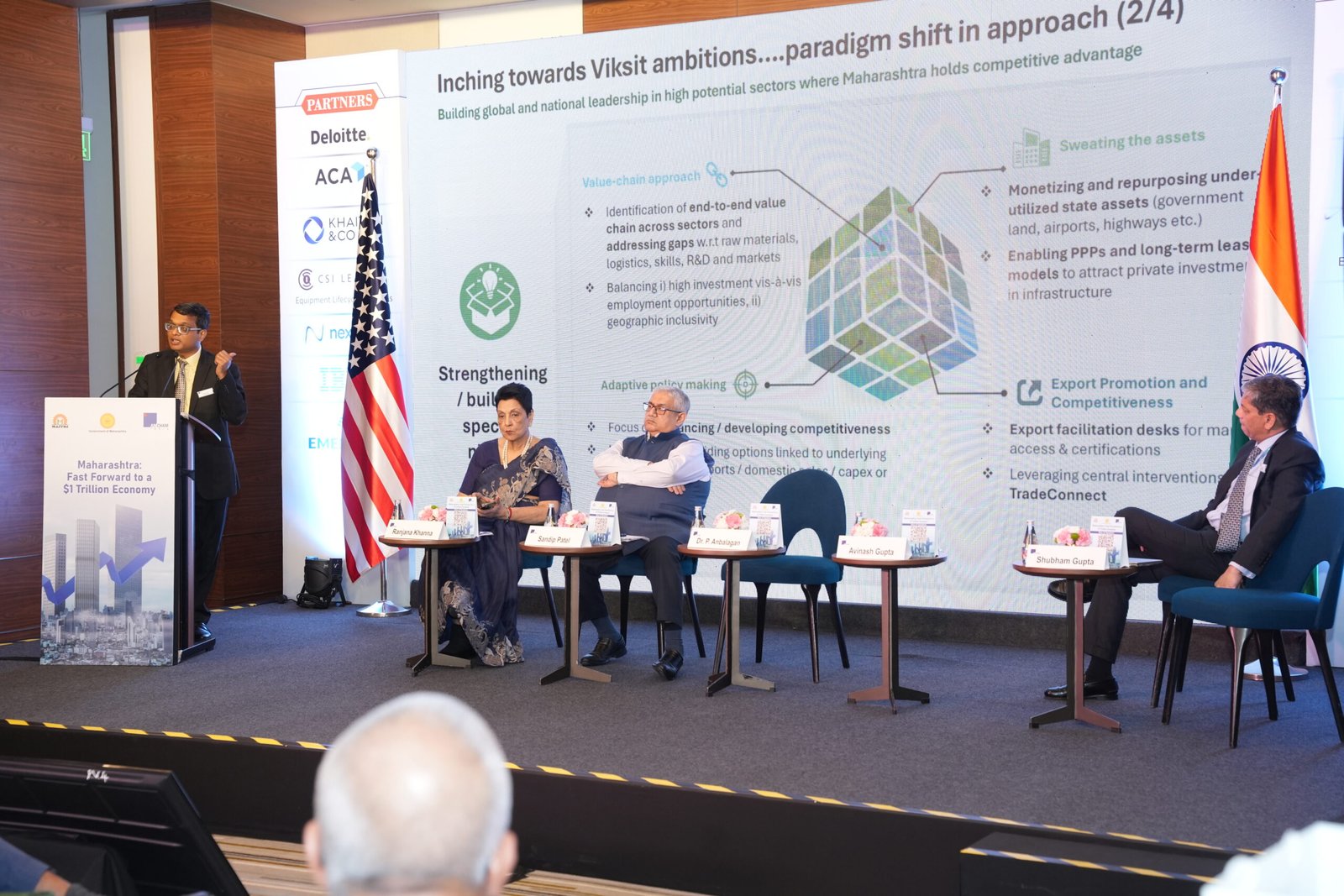
Following the keynote, Deloitte India presented an analytical overview of how the state can accelerate its journey towards its trillion-dollar goal. Mr. Shubham Gupta, Partner, Deloitte India noted that Maharashtra would need to achieve approximately 17% annual growth to reach the target by 2029. He highlighted existing structural gaps, including significant disparities in per capita income across districts, a high rural–urban wage gap, and a disproportionate concentration of merchandise exports in just a few districts. The presentation outlined the state’s ongoing transition towards a “mission-based transformation model,” calling for enhanced cross-departmental coordination, creation of sector-specific centers of excellence, and greater focus on factor input competitiveness — namely land availability, logistics efficiency, energy reliability, and advanced skill development. Deloitte recommended strengthening the single-window clearance system, accelerating land and building approvals, automating incentive disbursals, and scaling the fast-track investment cell to ensure predictable timelines and reduce overall cost of doing business.
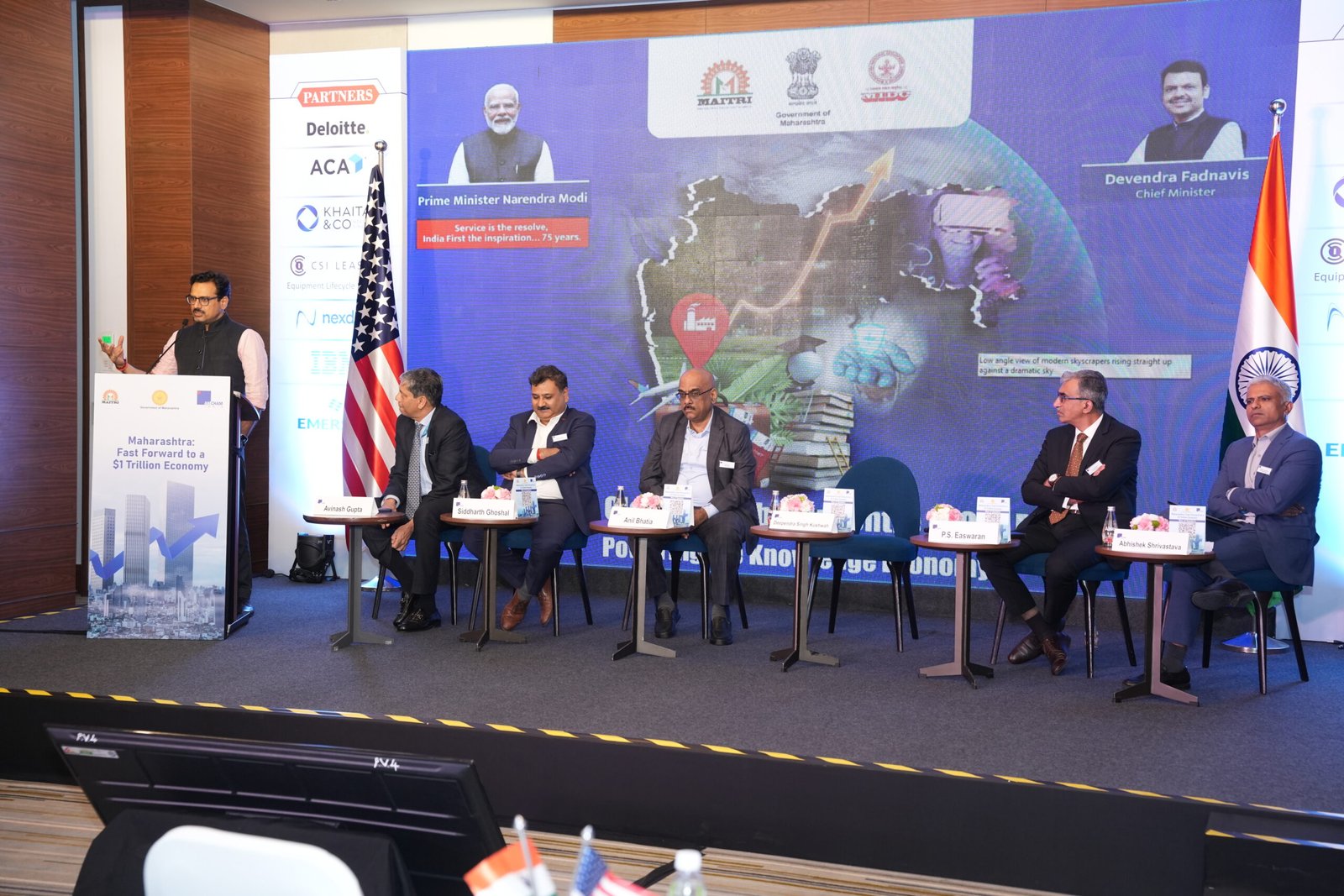
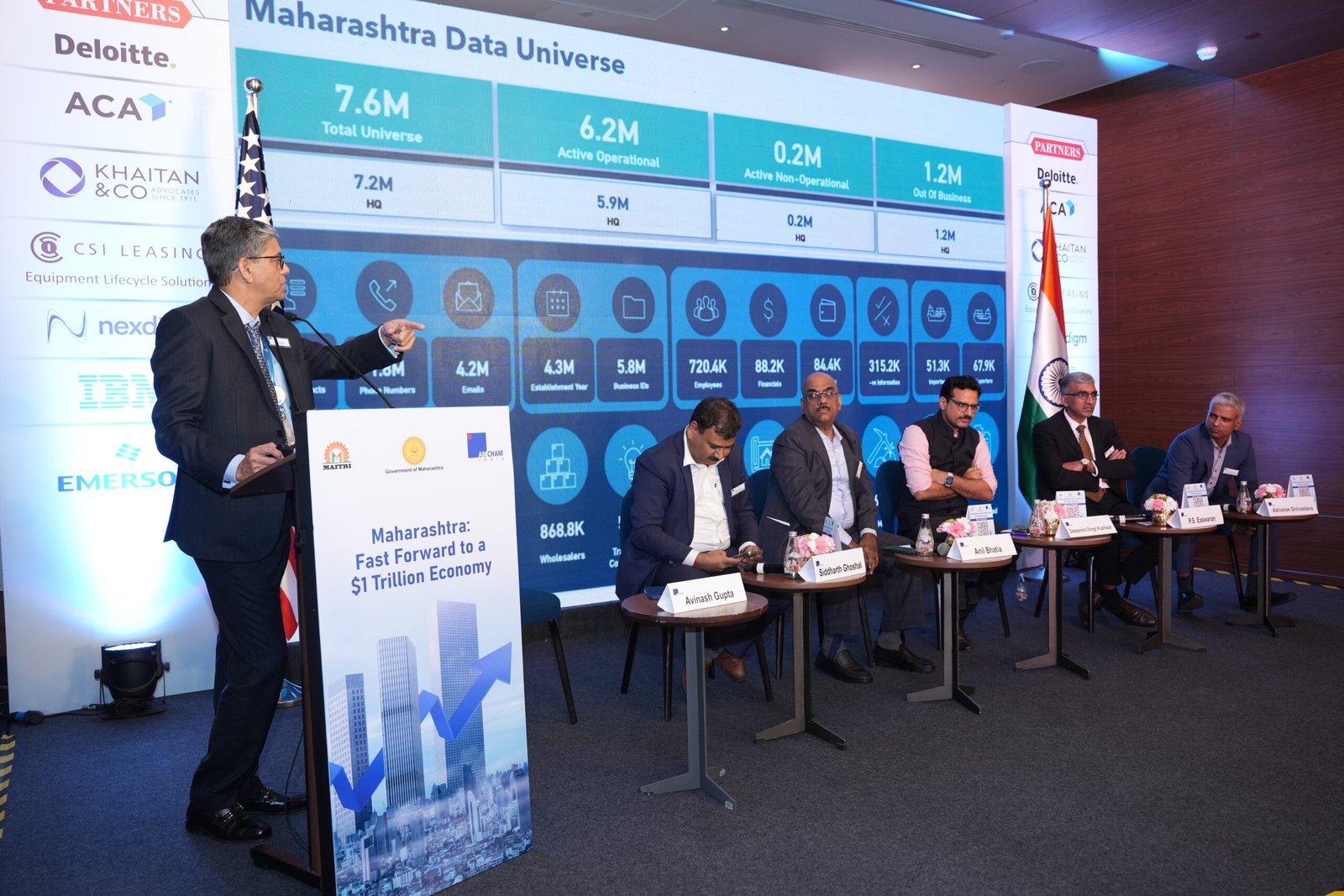
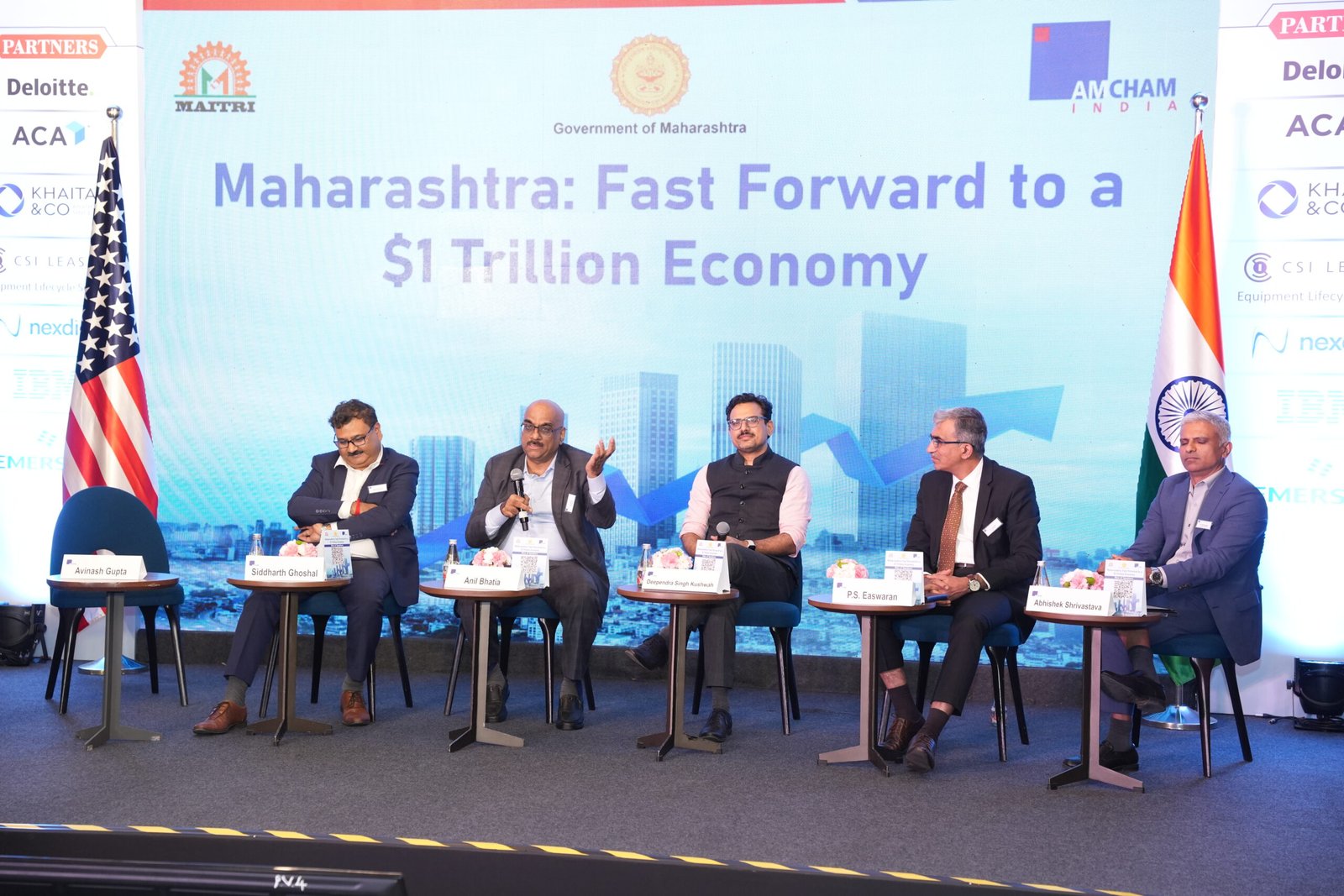
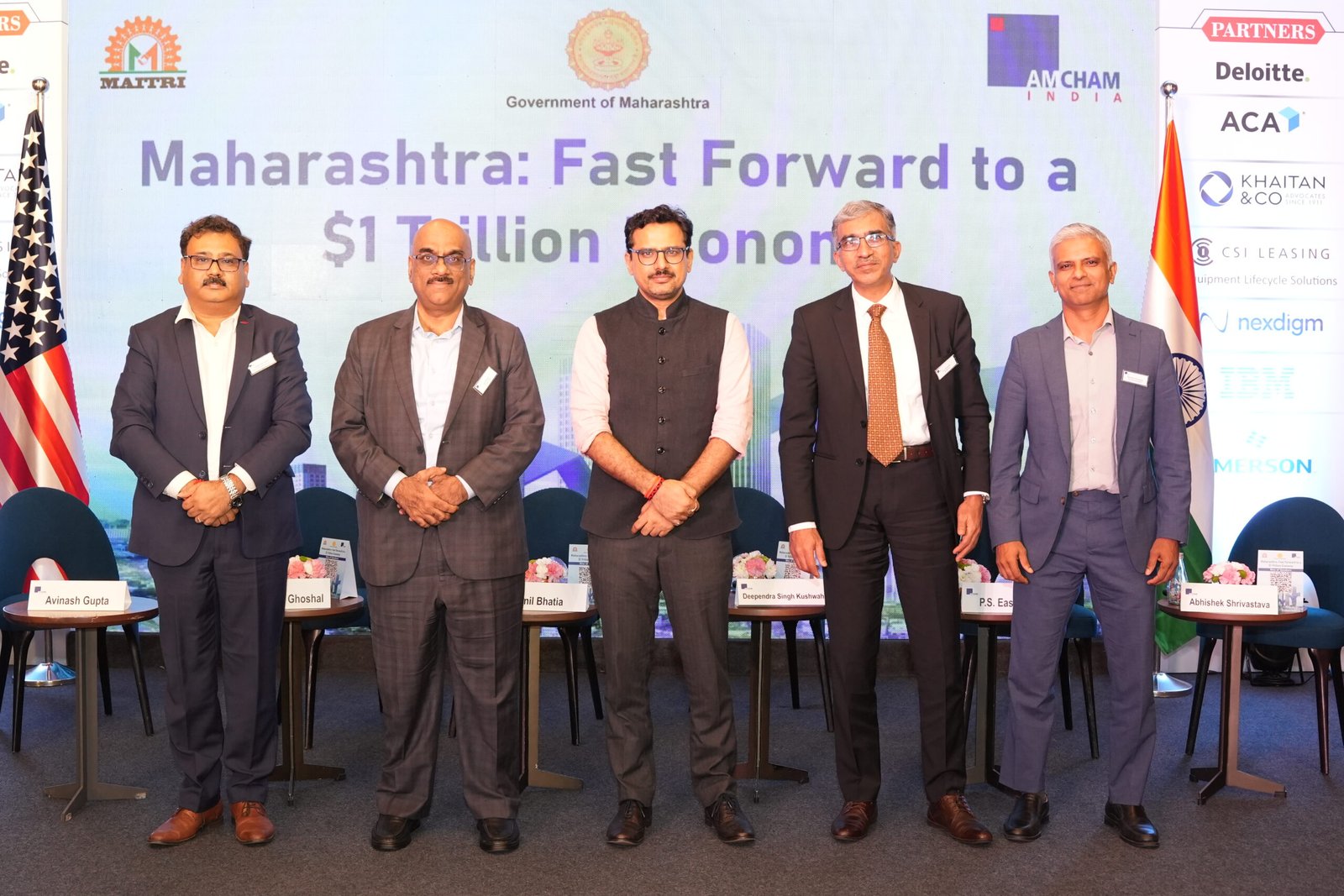
The first session focused on ‘Manufacturing & Investment – FDI Challenges and Opportunities’ with Mr. Siddharth Ghoshal, National Executive Board Member, AMCHAM and CEO & Country President, Dow India, Mr. Anil Bhatia, Chairman – Energy Committee, AMCHAM and Vice President & Managing Director – India, Emerson, and Mr. Abhishek Shrivastava, Managing Director-India, Middle East, Africa (IMEA), The Lubrizol Corporation with Mr. Easwaran Subramanian (Easwar), Partner, Deloitte India as the moderator. Speakers acknowledged Maharashtra’s historical leadership in manufacturing and its strong reputation among foreign investors. They discussed the need for consistent and predictable regulatory frameworks, clarity in taxation, and improved speed in land acquisition and environmental clearances. Emphasizing the growing global competition for investments, the session highlighted the importance of upgrading logistics networks, enabling industry 4.0 readiness, and strengthening advanced manufacturing capabilities across sectors. Panelists agreed that with its infrastructure, talent availability, and longstanding industrial culture, Maharashtra remains one of the most attractive destinations for U.S. manufacturers, provided processes become more time-bound and digitally integrated.
A special address by Mr. Deependra Singh Kushwah, IAS, Development Commissioner, Government of Maharashtra further reinforced the government’s focus on driving efficiency and reducing friction for investors. He spoke about the state’s ongoing reform measures under the ease of doing business framework and strengthening of the MAITRI platform to ensure faster approvals, better tracking systems, and more transparent engagement with industries.
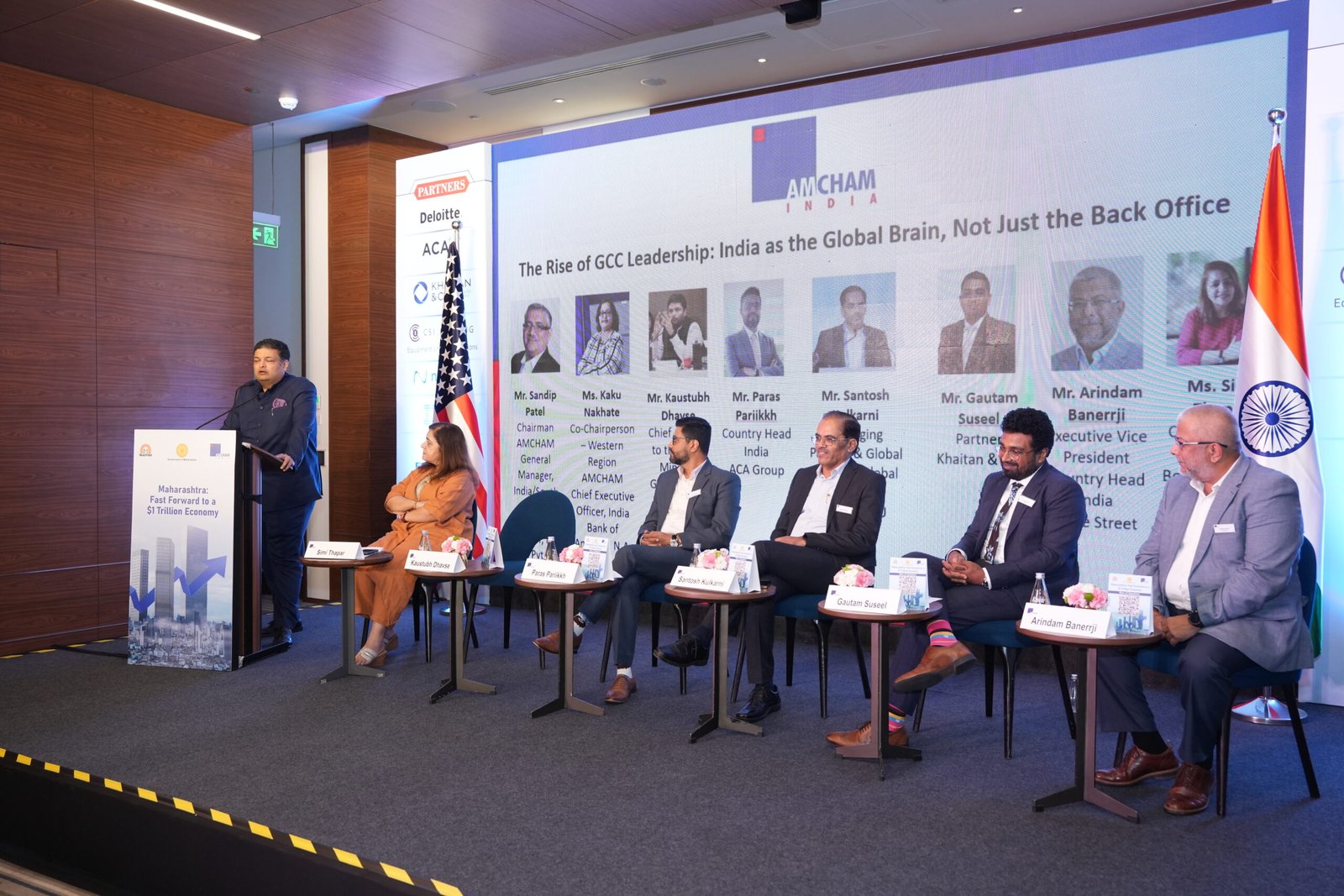
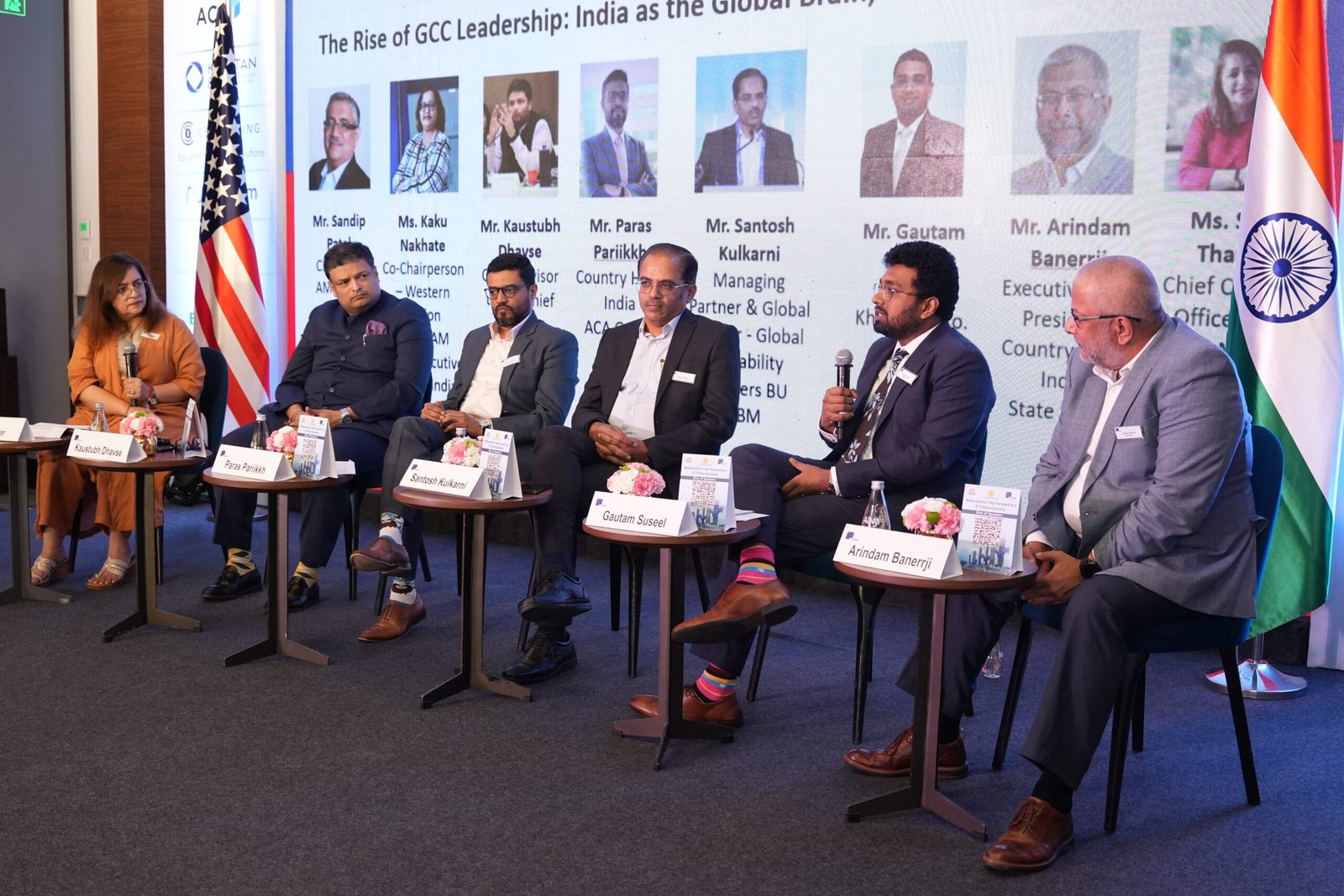
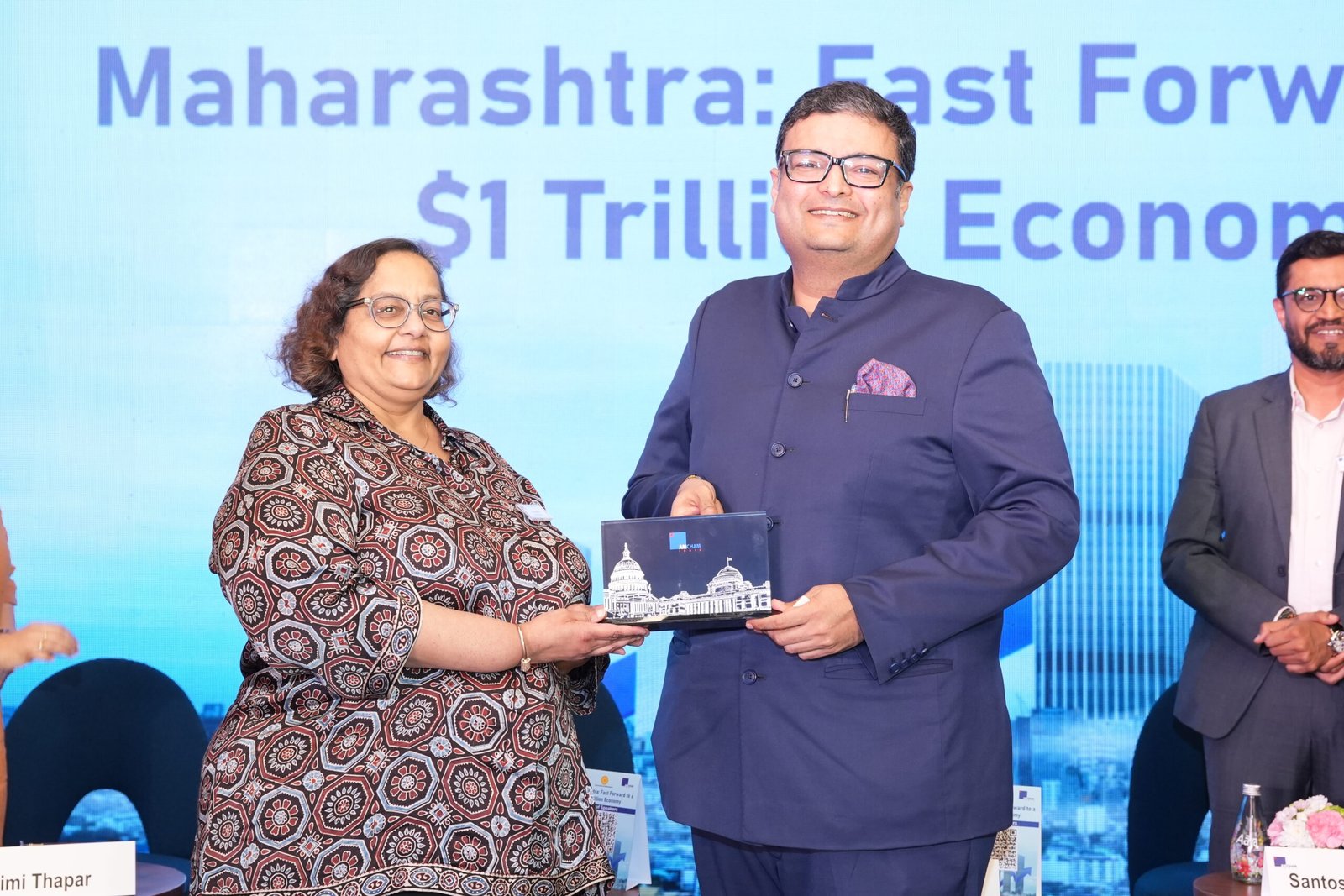
The second session, ‘The Rise of GCC Leadership: India as the Global Brain, Not Just the Back Office,’ focused on the rising significance of global capability centers (GCCs) in Maharashtra’s economic strategy. Ms. Kaku Nakhate, Co-Chairperson – Western Region, AMCHAM and Chief Executive Officer, India, Bank of America, N.A. set the scene and warmly introduced Mr. Kaustubh Dhavse, Chief Advisor to the Chief Minister, Government of Maharashtra, who emphasized that Maharashtra aims to position itself as the GCC capital of India, with the newly announced GCC Policy 2025 playing a pivotal role. The policy aims to establish 400 new GCCs, create 4 lakh high-skilled jobs, and build future-ready GCC parks with walk-to-work designs, advanced digital infrastructure, sustainability-led incentives, and deepened industry–academia collaboration. These initiatives reflect the state’s ambition to attract knowledge-intensive investments and transition into a global hub for AI engineering, data analytics, cybersecurity, and enterprise functions.
The GCC panel featured diverse voices of Mr. Paras Pariikkh, Country Head India, ACA Group, Mr. Santosh Kulkarni, Managing Partner & Global Leader – Global Capability Centers BU, IBM India, Mr. Gautam Suseel, Partner, Khaitan & Co., and Mr. Arindam Banerrji, Executive Vice President Country Head, India, State Street. Ms. Simi Thapar, Chief Country Officer and Board Member, CSI Leasing India was the moderator. The discussion highlighted Maharashtra’s position as a preferred GCC destination, especially Mumbai and Pune, due to their talent density, strong digital infrastructure, concentration of BFSI and technology companies, and growing data center ecosystem. Speakers emphasized that GCCs are rapidly becoming centers of innovation, product development, leadership training, and global decision-making. They reflected on compliance considerations, workforce flexibility needs, evolving data regulations, deepening of cyber security frameworks, and the importance of robust skilling programs to prepare talent for AI-driven and domain-specialized roles. There was a strong consensus that the Maharashtra GCC Policy 2025 will significantly strengthen the state’s competitive advantage, provided implementation remains seamless and policy stability is maintained.
Throughout the conference, several common themes emerged. Maharashtra is positioned to lead India’s next phase of economic transformation through sector diversification, infrastructure expansion, and innovation-focused policy frameworks. The state’s success will increasingly depend on execution-led reforms, regional industrialization, stronger industry–academia linkages, and the creation of global centers of excellence. The U.S.–India economic partnership continues to act as a key pillar of Maharashtra’s growth, with U.S. industry driving innovation, competitiveness, and technology deployment across manufacturing, services, and digital industries. The rise of GCCs — transforming from operational centers to global knowledge and leadership hubs — was repeatedly highlighted as one of Maharashtra’s strongest opportunities.
The conference was supported by the Government of Maharashtra, MAITRI, Deloitte, ACA Group, Khaitan & Co., CSI Leasing, Nexdigm Inc., IBM and Emerson.