Events
Past Events
Labour Code 2025: What Employers Must Know
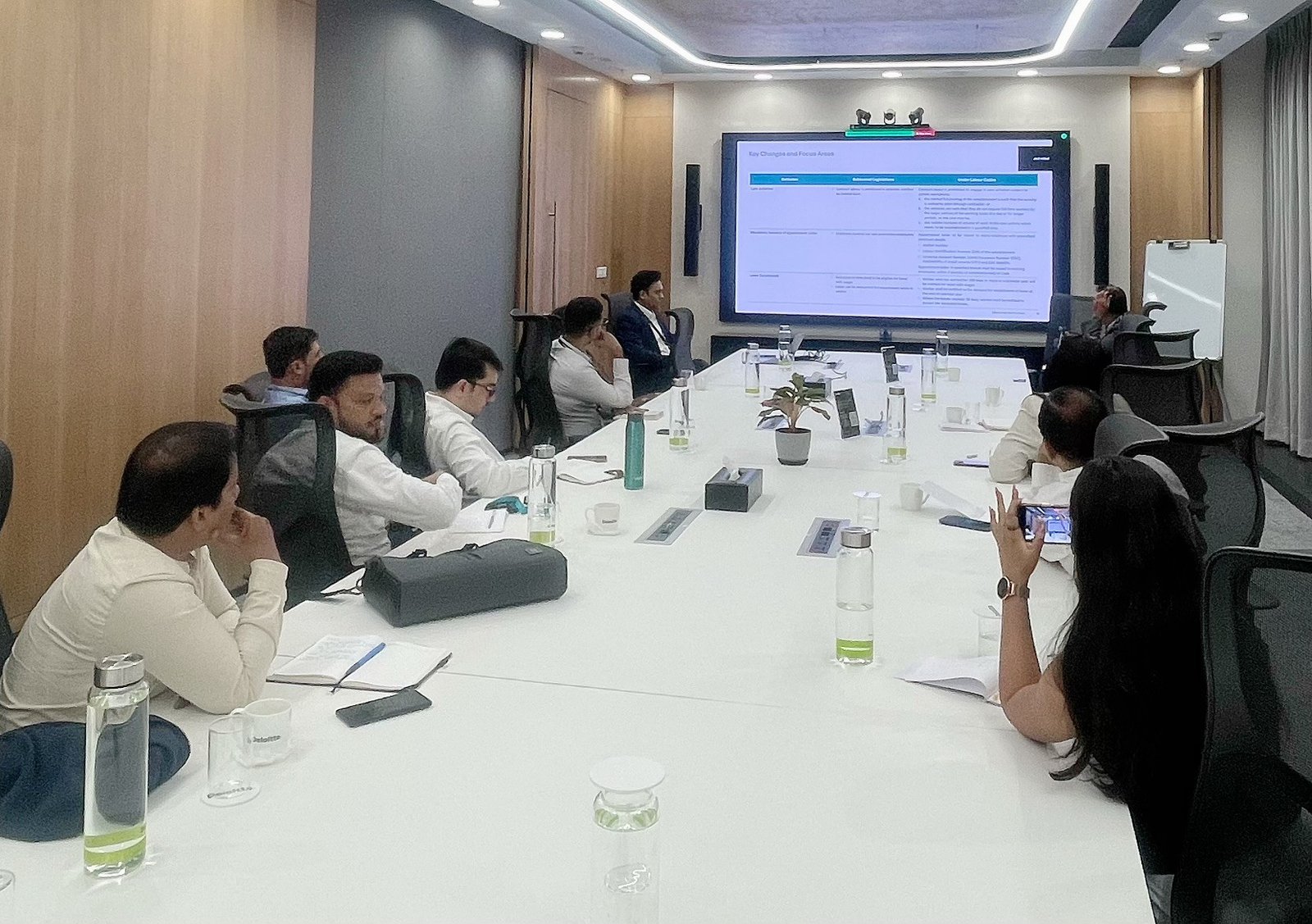
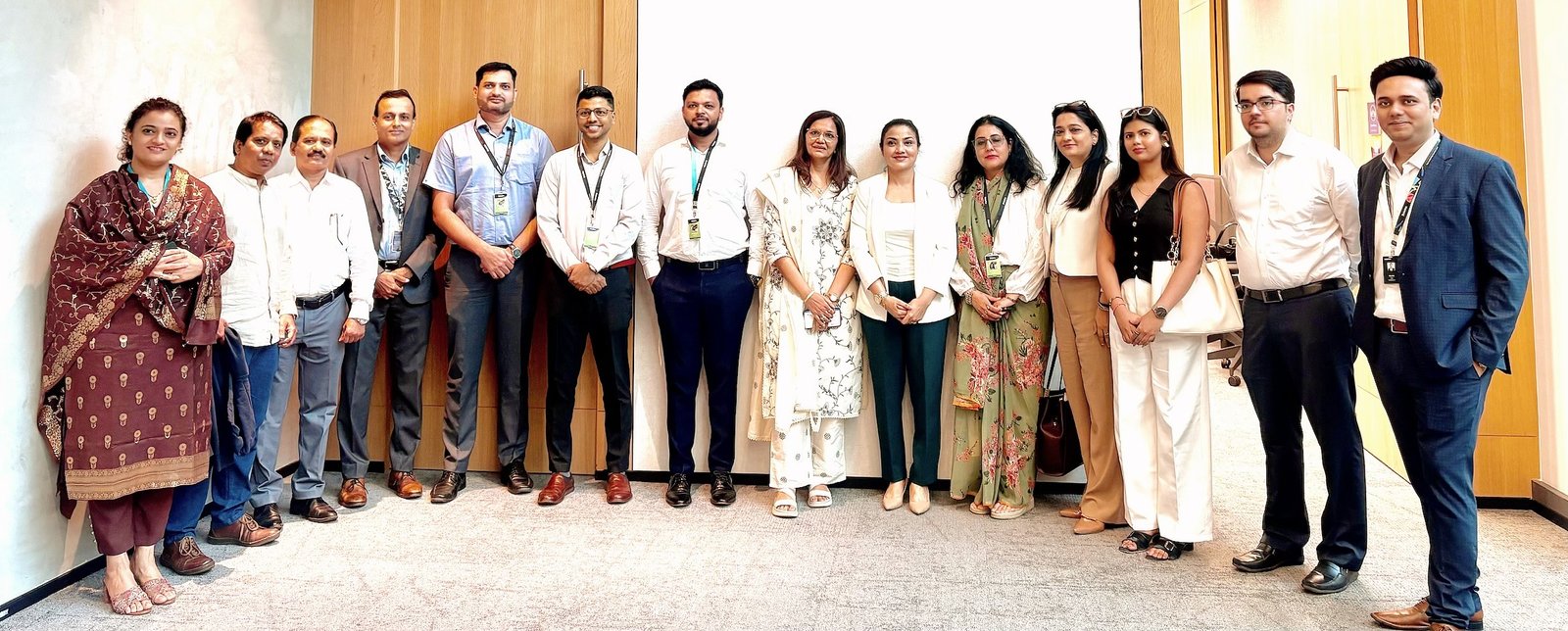
AMCHAM’s Western Region, in partnership with Deloitte as the knowledge partner, hosted an exclusive in-person roundtable session on the newly launched labour code on December 8th at the Deloitte Knowledge Center, Mumbai. The session titled ‘Labour Code 2025: What Employers Must Know’ brought together senior HR, legal, compliance, and corporate affairs leaders from member companies to understand the implications, implementation roadmap, and practical challenges arising from the four new labour codes notified by the Government of India.
The session began with opening remarks from Ms. Rakhi Sikka, Regional Director – Western Region, who emphasized the significance of the reform and the need for employers to be future-ready through informed dialogue and sector-specific preparedness. This was followed by a presentation by Mr. Alok Agrawal, Partner, Tax, Deloitte, Mr. Vikas Birla, International Tax, Deloitte and Mr. Atul Mittal, Partner, Deloitte. The Deloitte experts provided a structured walkthrough of the new labour code framework, including key features such as uniformity in definitions and processes, single registration and return replacing multiple filings, use of technology for compliance and inspections, stronger transparency and accountability, decriminalization of offences and introduction of compounding provisions, and the nationwide national floor wage ensuring minimum wage parity.
The speakers explained that while the central government has notified the codes, state rules are still in the consultation and notification phase, with varying progress across states, where most states have issued draft rules for one or more codes, while a few are yet to do so. A detailed explanation of the new definition of “wages” was provided and its impact on gratuity, provident fund contributions, statutory bonus, minimum wage calculation, leave encashment, and HR policy frameworks, noting that organizations will need to reassess compensation structures as certain allowances currently excluded may now form part of wages depending on the 50% threshold rule.
The session also covered changes in occupational safety, industrial relations and social security such as mandatory issuance of appointment letters, worker consent for overtime capped at 125 hours per quarter, formation of grievance committees for establishments with 20+ workers, introduction of a reskilling fund to support retrenched workers, expanded coverage for safety officers in factories and hazardous processes, and flexibility in employment of women with conditions related to safety, transport, POSH compliance, and childcare provisions.
The roundtable format enabled participants to raise questions on timelines for implementation in Maharashtra, applicability to fixed-term and contract employees, treatment of international assignees and expatriates, impact on payroll systems and IT readiness, interaction with the Shops & Establishment Act, and cost allocation for FY 2026, with participants appreciating the clarity provided by Deloitte’s experts, particularly on the transition roadmap, which includes gap assessment, leadership alignment, policy changes, communication planning, and system readiness.
The session concluded with key takeaways that the reform is not just a compliance transition but an opportunity to modernize workforce policies and strengthen governance, emphasizing that companies must start internal assessment immediately, leadership buy-in and proactive planning will be crucial, a coordinated approach between legal, HR, finance, operations, and IT teams is essential, and ongoing tracking of state-level rules will be important. Ms. Tehmina Sharma, Tax Partner and U.S. Corridor Leader, Deloitte India thanked the speakers and participants for the engaging discussions.