Events
Past Events
AI Impact Summit 2026: U.S.-India: Building Trust and Innovation in the AI Age
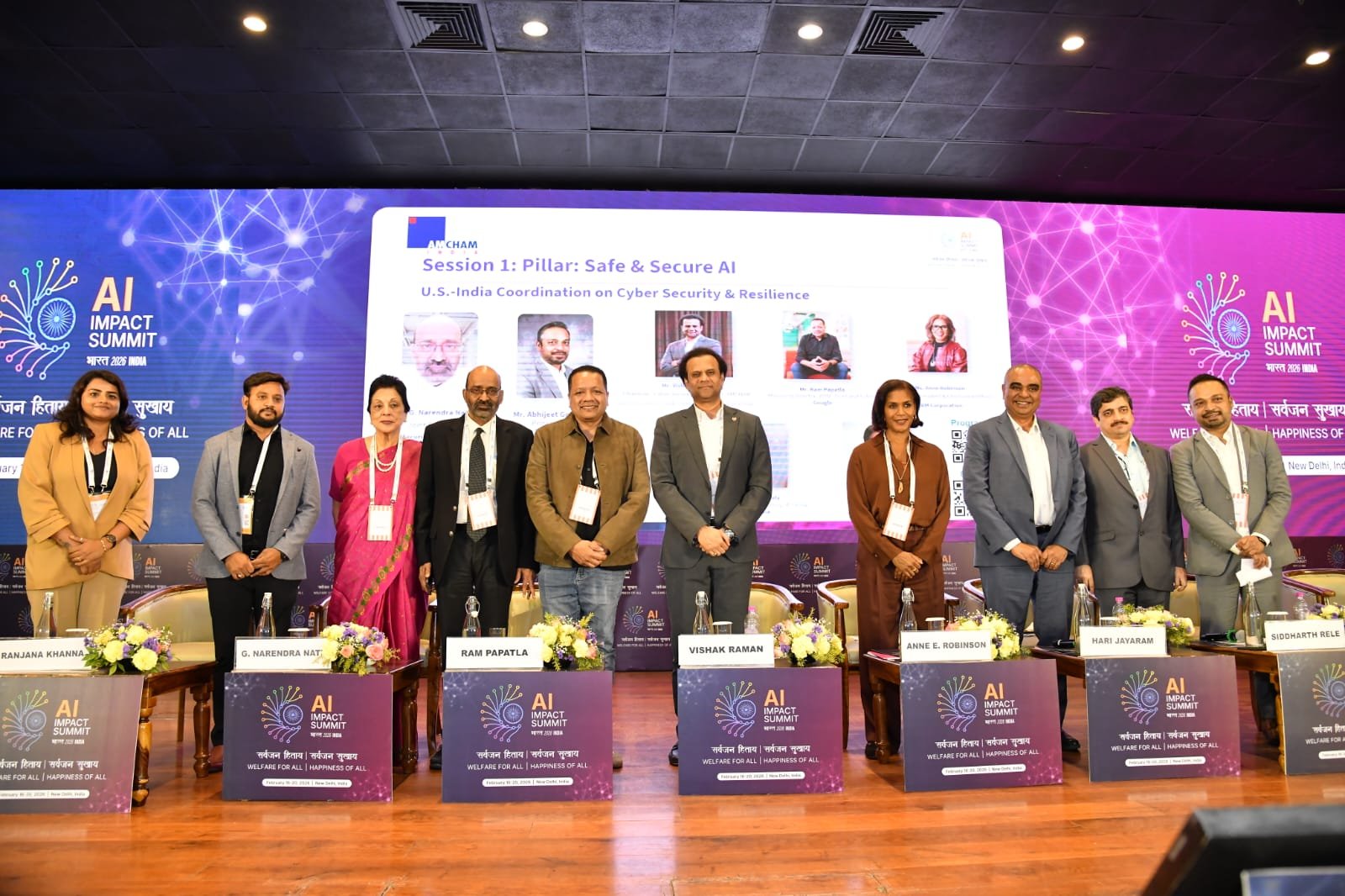
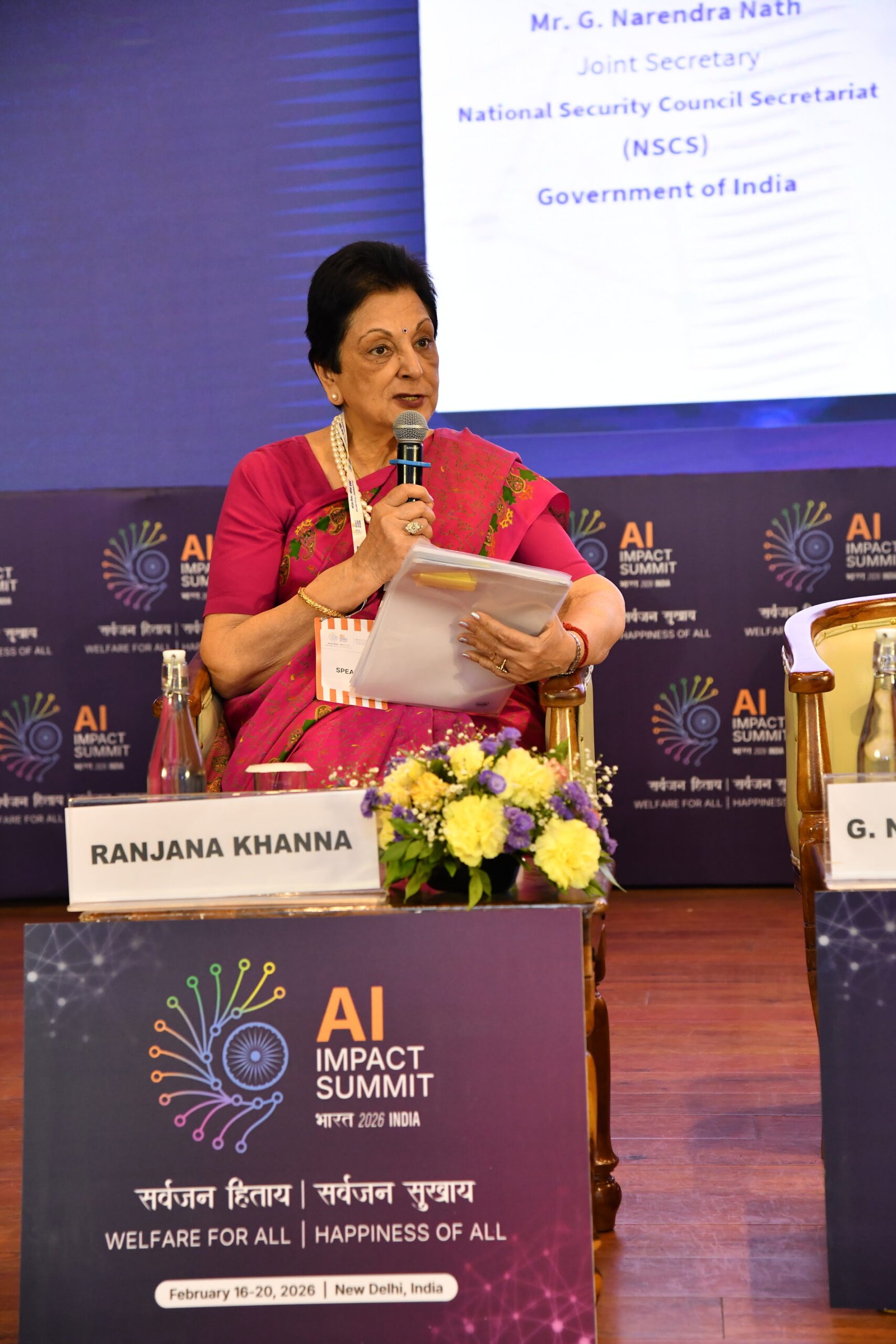
AMCHAM India’s sessions at the AI Impact Summit 2026 themed ‘U.S.-India: Building Trust and Innovation in the AI Age’ were held on February 17th at the Chanakya Auditorium, Sushma Swaraj Bhawan, New Delhi. The program was structured around three back-to-back sessions spanning safe and secure AI, the IndiaAI Innovation Centre, and governance and compliance in the age of sovereign AI. The program commenced with Ms. Ranjana Khanna, Director General CEO, AMCHAM, who highlighted the rapid pace of India’s digital transformation, including crossing one trillion digital financial transactions, and underscored the strategic importance of the U.S.-India partnership in building a cyber-resilient economy.
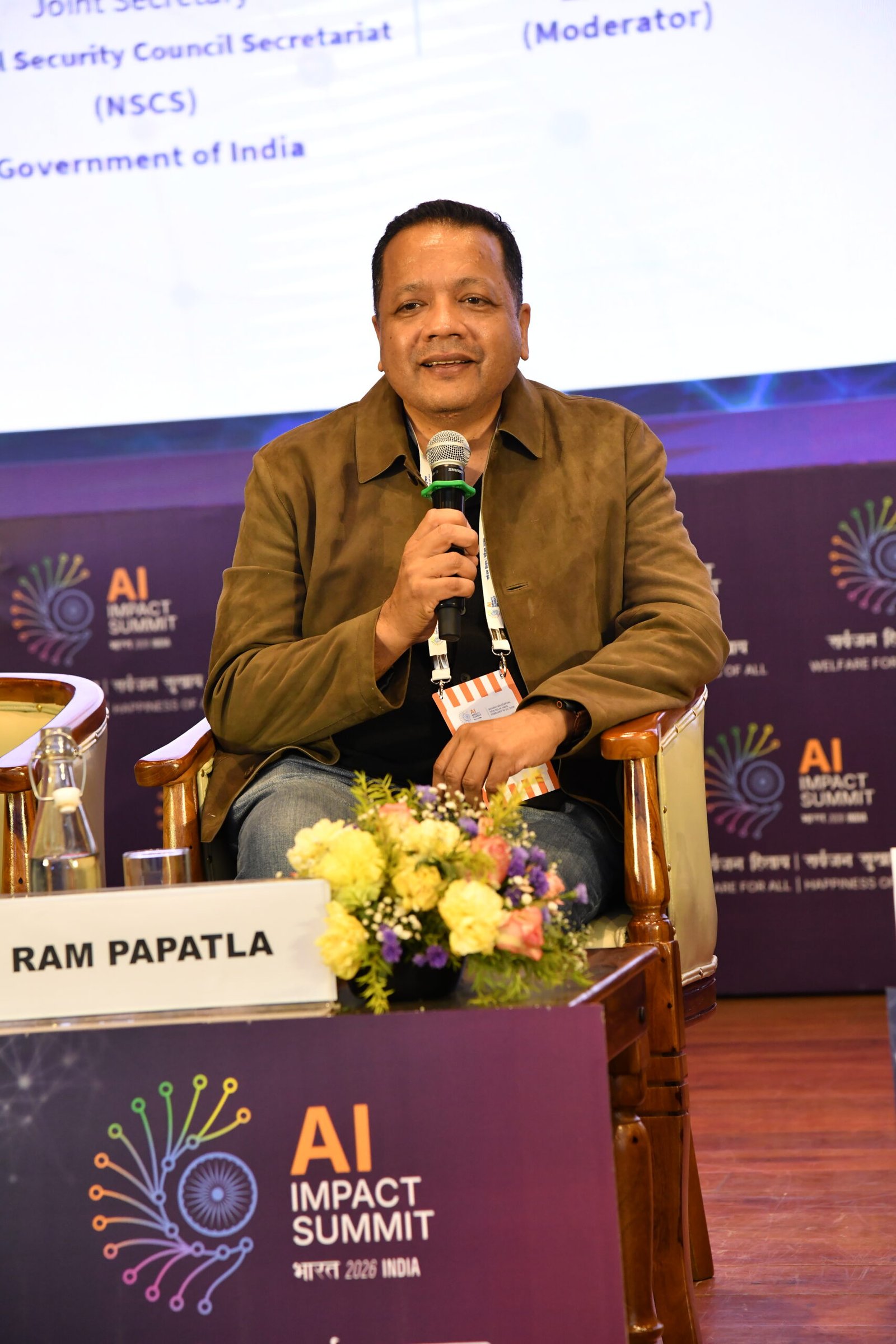
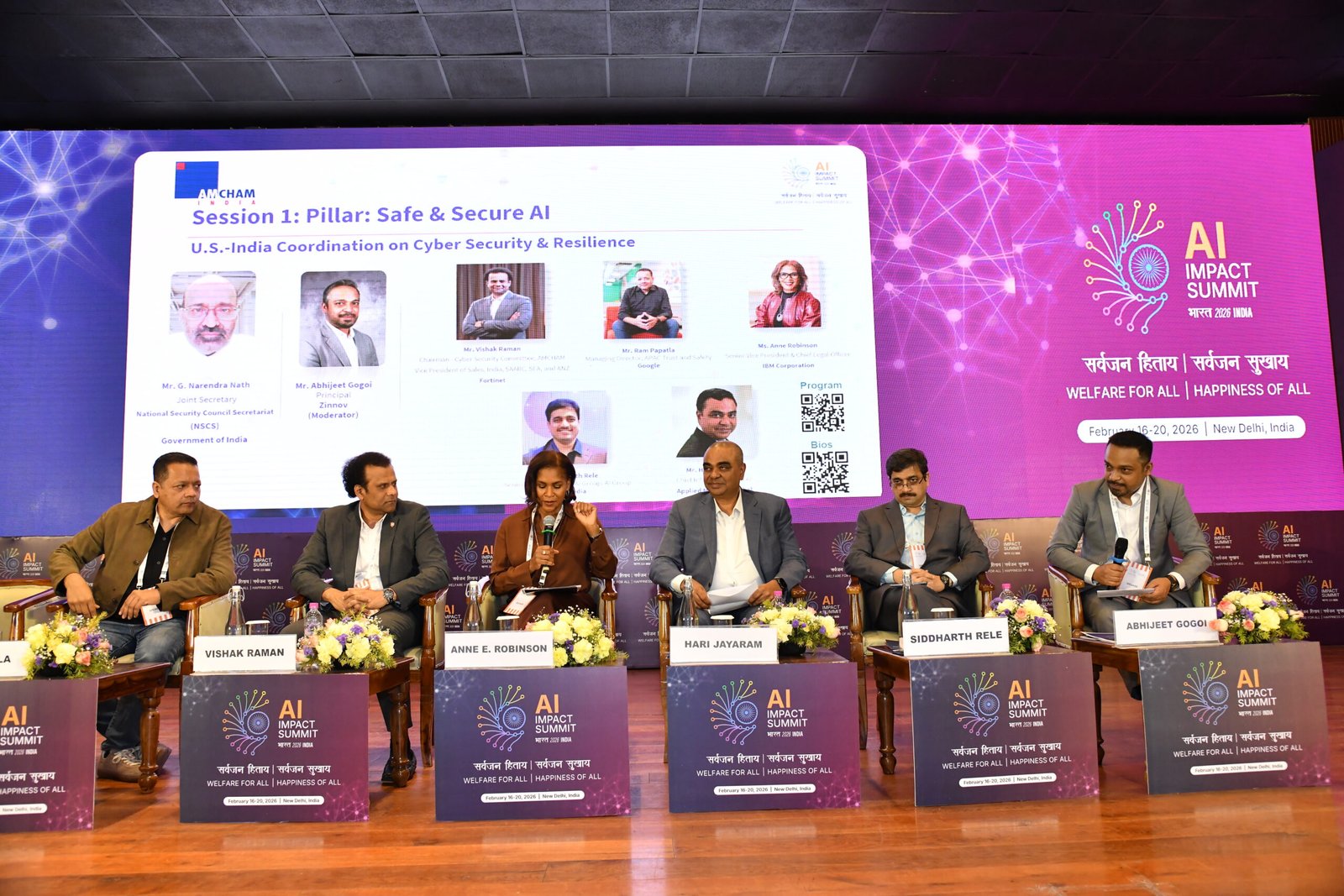
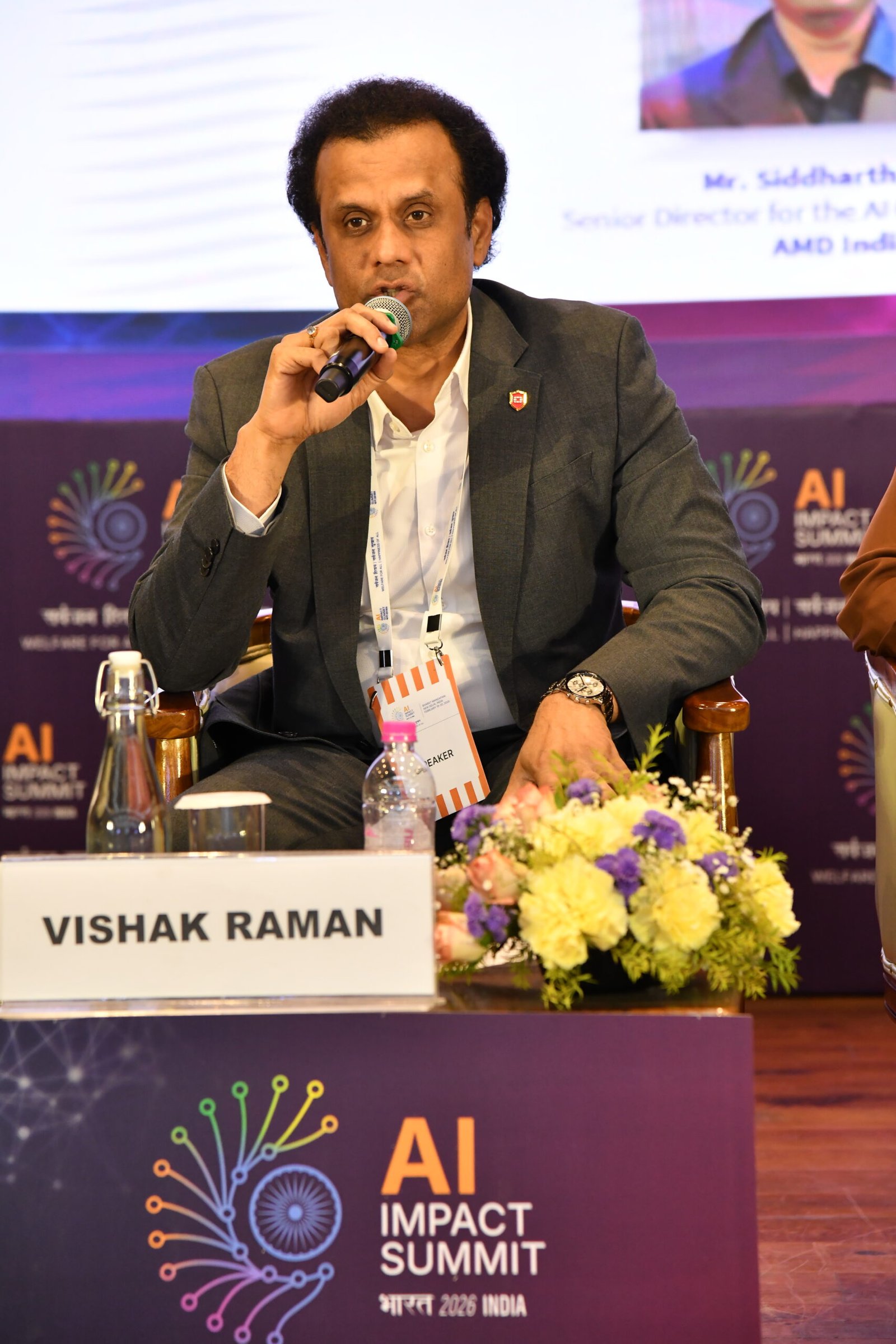
The first session, ‘U.S.-India Coordination on Cyber Security & Resilience,’ was moderated by Mr. Abhijeet Gogoi, Principal, Zinnov, and featured Mr. Vishak Raman, Chairman – Cyber Security Committee, AMCHAM and Vice President of Sales, India, SAARC, SEA and ANZ, Fortinet, Mr. Hari Jayaram, Chief Information Officer, Applied Material Global, Mr. Siddharth Rele, Senior Director for the AI Group, AMD India, Mr. Ram Papatla, Managing Director, APAC Trust and Safety, Google, and Ms. Anne E. Robinson, Senior Vice President & Chief Legal Officer, IBM. A special address was delivered by Mr. G. Narendra Nath, Joint Secretary, National Security Council Secretariat (NSCS), Government of India. The panel explored how AI is transforming both cyber threat landscapes and defence capabilities, with speakers emphasising security-by-design principles, federated infrastructure, responsible AI, and the need for transparency in training data provenance. Mr. Narendra Nath called on industry to cooperate with government in establishing the provenance of AI training data, a prerequisite for trustworthy national AI systems.
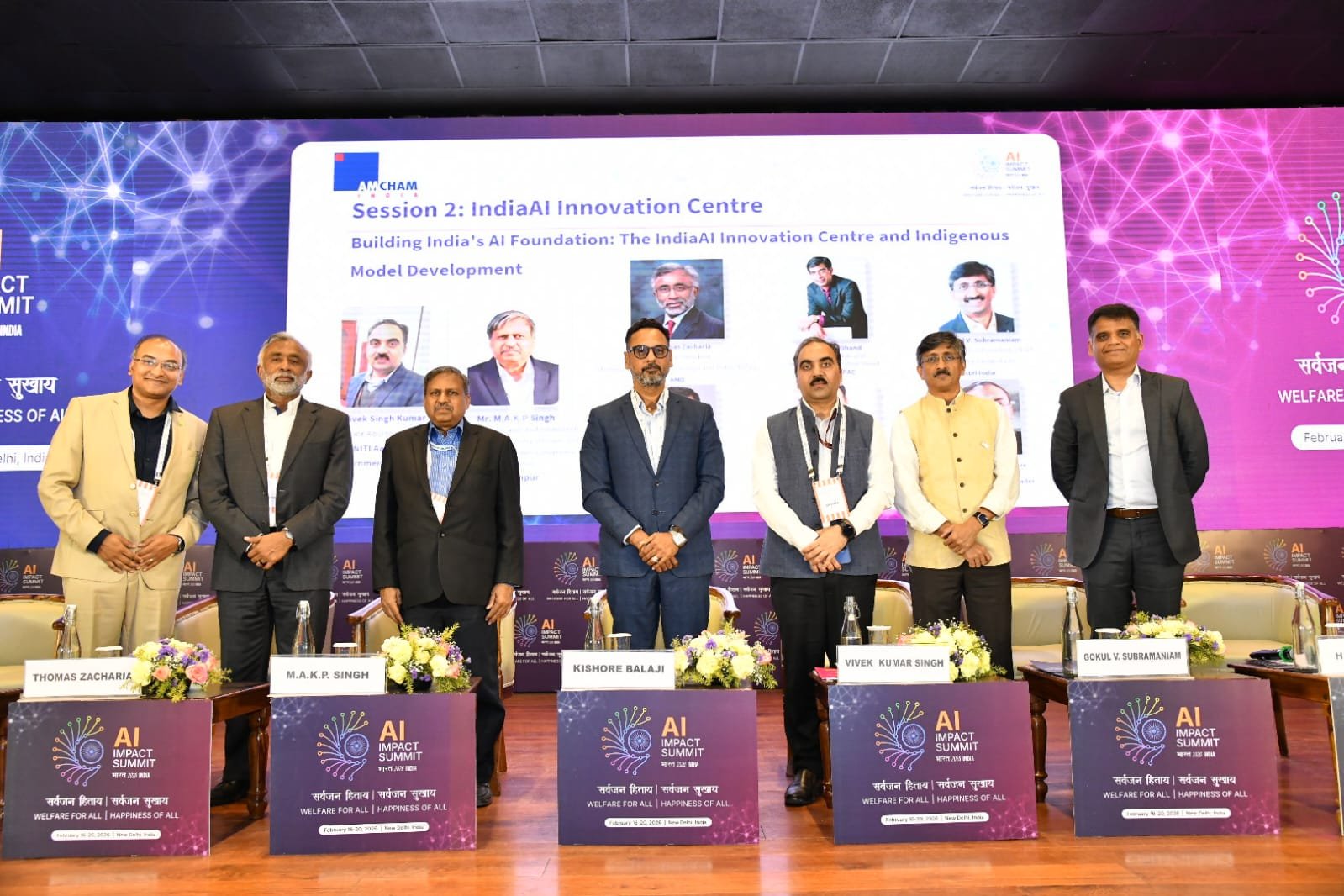
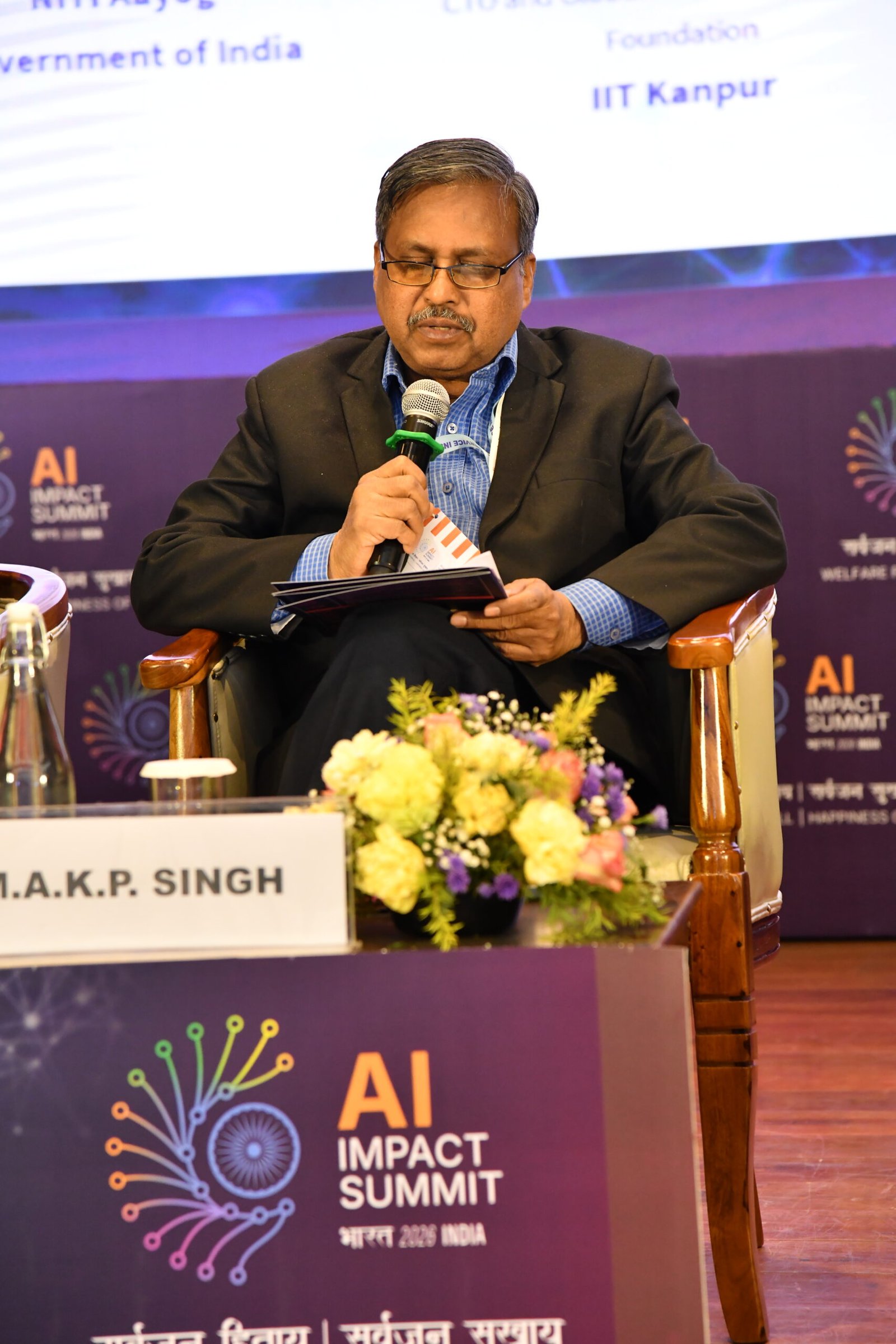
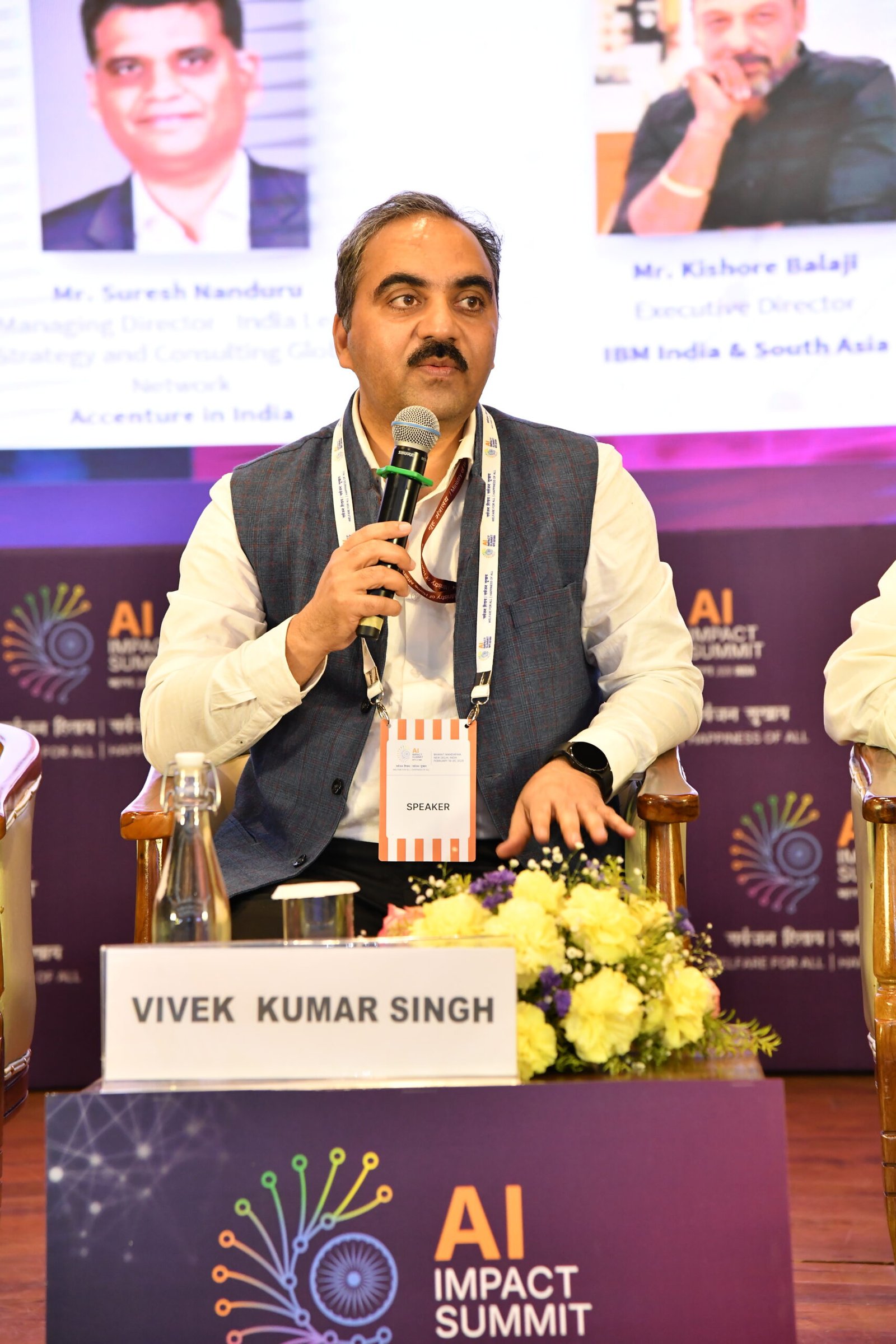
The second session, ‘Building India’s AI Foundation: The IndiaAI Innovation Centre and Indigenous Model Development,’ was moderated by Mr. Debashish Banerjee, Partner, Deloitte and Applied AI Leader, and featured Dr. Vivek Kumar Singh, Senior Advisor, S&T, NITI Aayog, Government of India, Mr. M.A.K.P. Singh, Member (Hydro) and Chief Information Security Officer, Ministry of Power, and CTO and Global Adviser, CyberPeace Foundation, Mr. Suresh Nanduru, India Lead, Strategy & Consulting Global Network, Accenture, Dr. Thomas Zacharia, SVP, Strategic Technical Partnerships and Public Policy, AMD, Mr. Kishore Balaji, Executive Director – Government Affairs, IBM South Asia, and Mr. Gokul V. Subramaniam, President and Vice President, Client Computing Group, Intel India. The session examined the rationale for India’s indigenous foundational AI models — including the need to address cultural and linguistic biases in global models and to serve India’s 22+ languages — while exploring how open-source, hardware-agnostic, and energy-efficient architectures can support sovereign AI at scale. Speakers highlighted that affordable edge inferencing and a robust national data ecosystem are as critical as compute investment in realizing the India AI Mission’s goals.
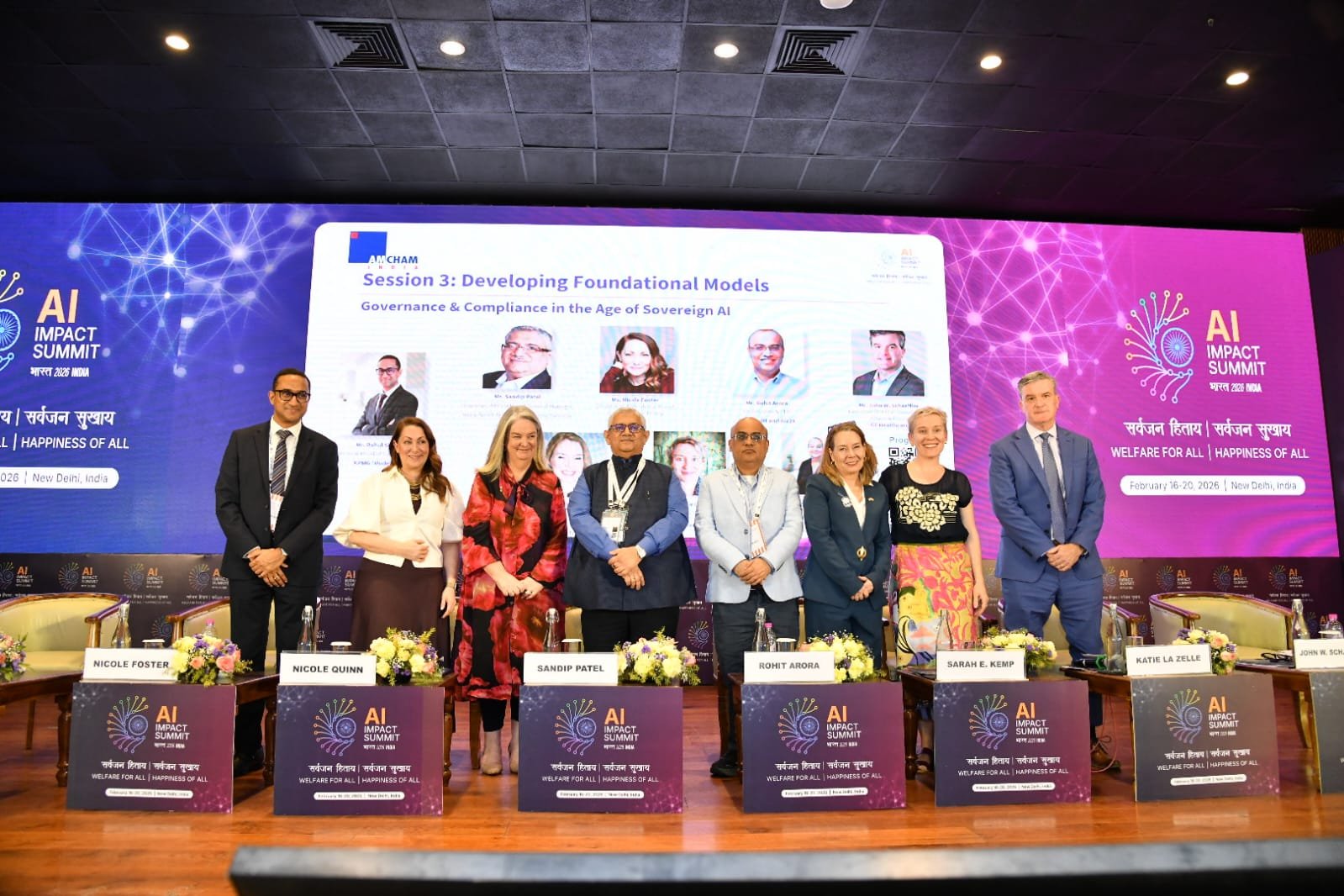
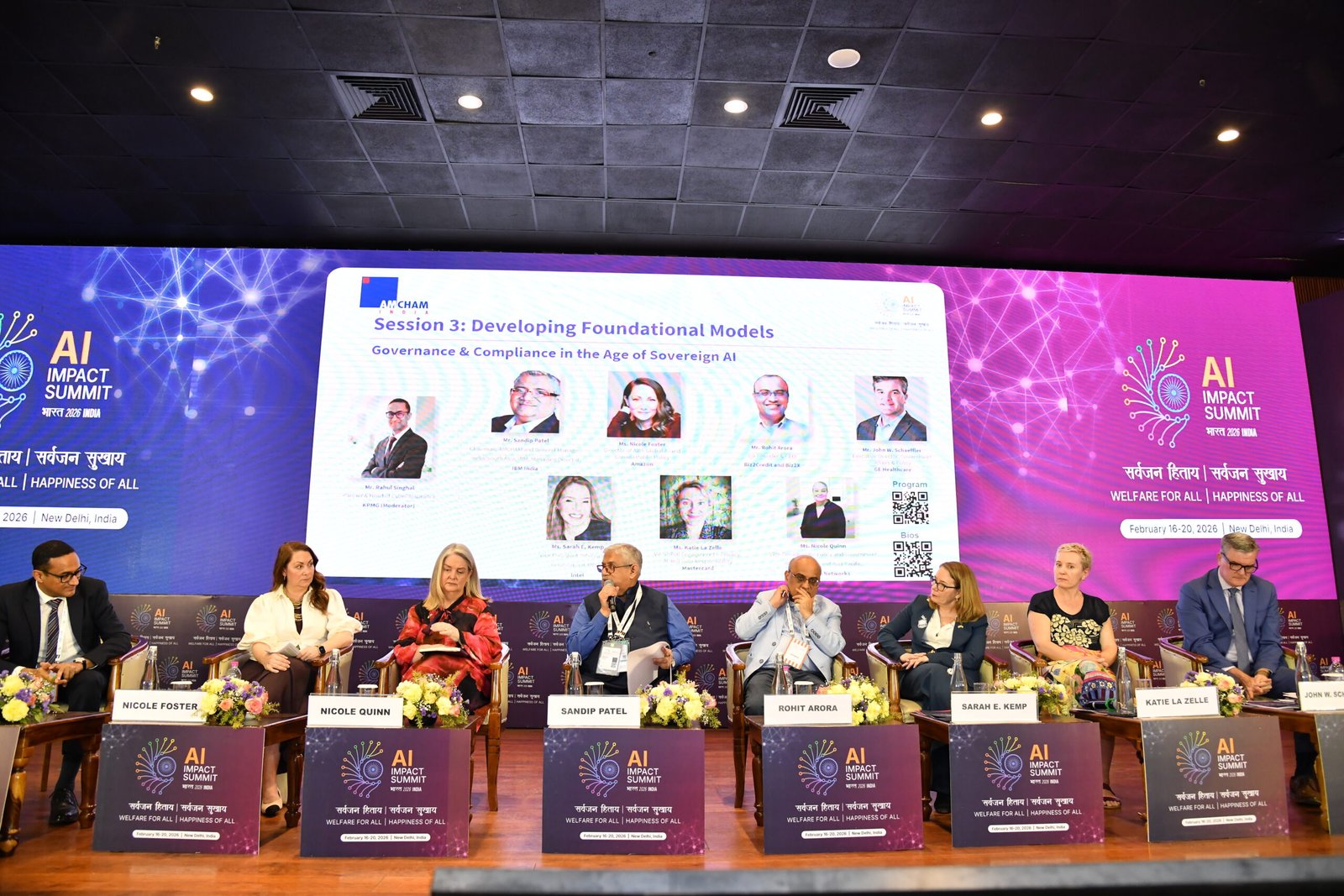
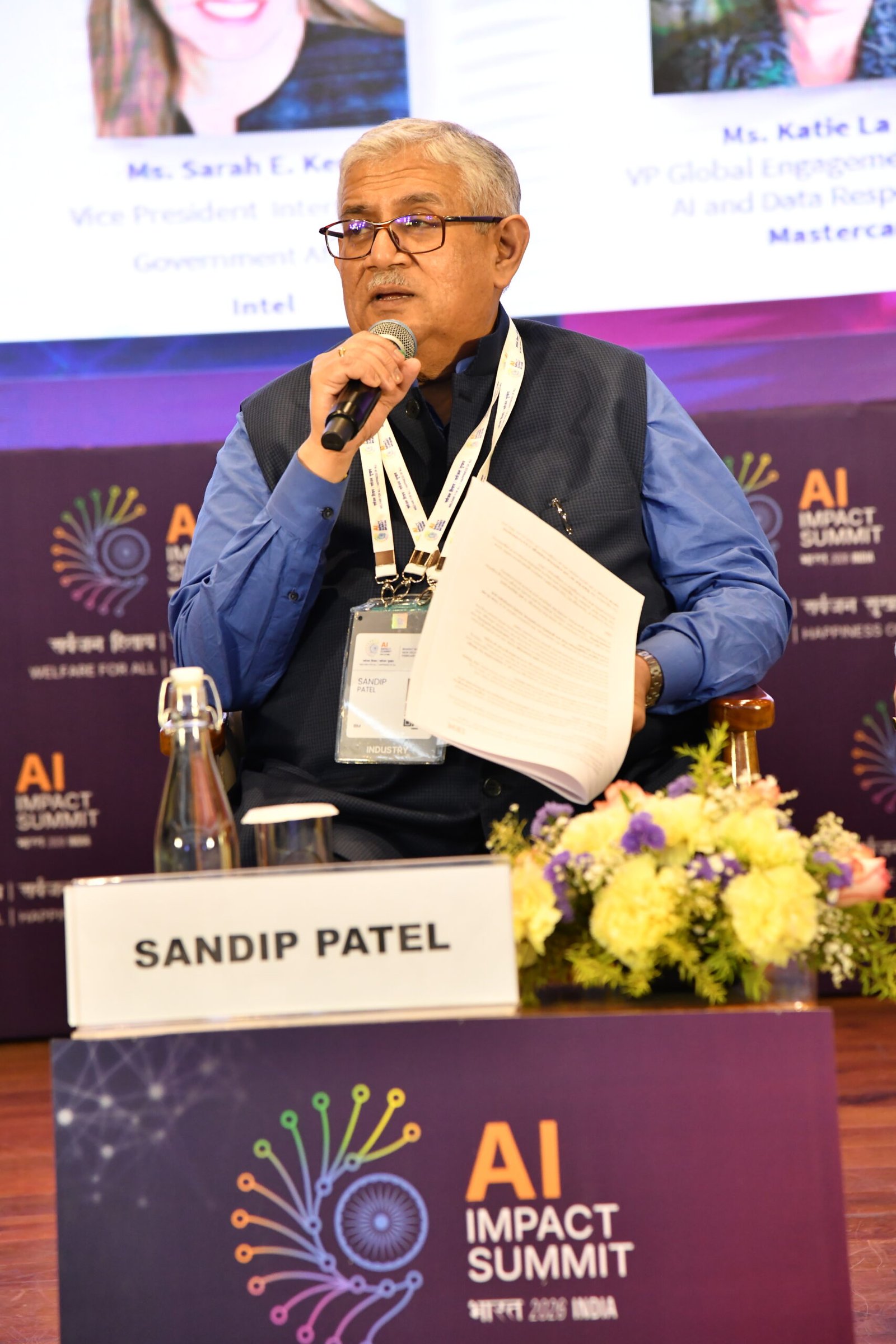
The third and final session, ‘Governance & Compliance in the Age of Sovereign AI,’ was moderated by Mr. Rahul Singhal, Partner & Head of Cyber Assurance, KPMG, and featured Mr. Sandip Patel, Chairman, AMCHAM and General Manager, India/South Asia and Managing Director, IBM India, Ms. Nicole Foster, Director of AWS Global AI and Canada Public Policy, Amazon, Mr. Rohit Arora, Co-Founder & CEO, Biz2Credit and Biz2X, Mr. John W. Schaeffler, Executive Director, Government Affairs & Policy, GE Healthcare, Ms. Sarah E. Kemp, Vice President, International Government Affairs, Intel, Ms. Katie La Zelle, Vice President Global Engagement – Privacy, AI and Data Responsibility, Mastercard, and Ms. Nicole Quinn, Vice President for Policy and Government Affairs, Japan and Asia Pacific, Palo Alto Networks. The panel addressed the legal, regulatory, and security architecture underpinning sovereign AI, with discussions spanning DPDP Act compliance, algorithmic accountability, explainability of indigenous LLMs, AI agent identity and access management, and the importance of cross-border data flows for financial fraud prevention. Speakers converged on the view that sovereign AI is not about isolation but about building trustworthy, accountable, and globally collaborative AI systems rooted in the Indian context.
The day concluded with a strong consensus that the U.S.-India partnership in AI is structural and strategic, grounded in shared democratic values, deep technology interdependencies, and a common interest in building AI ecosystems that are secure, inclusive, and globally competitive.