Events
Past Events
GCC Conference 2026: Powering India's Next Global Capability Hub
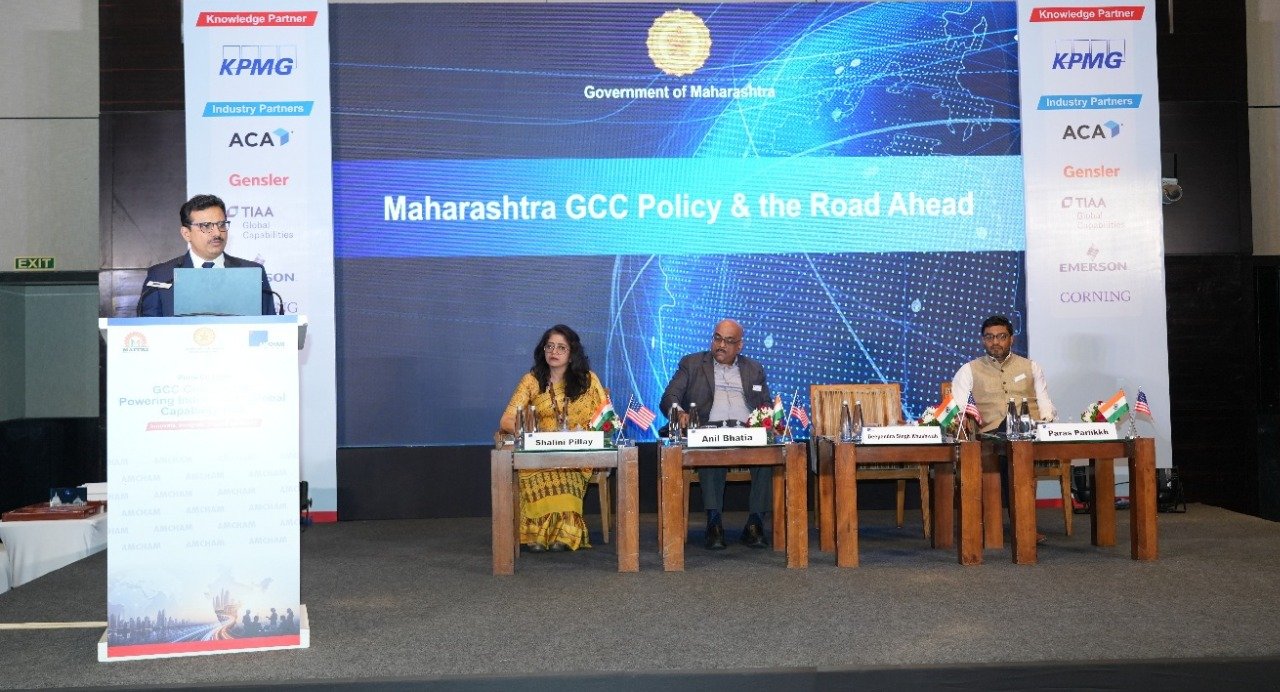
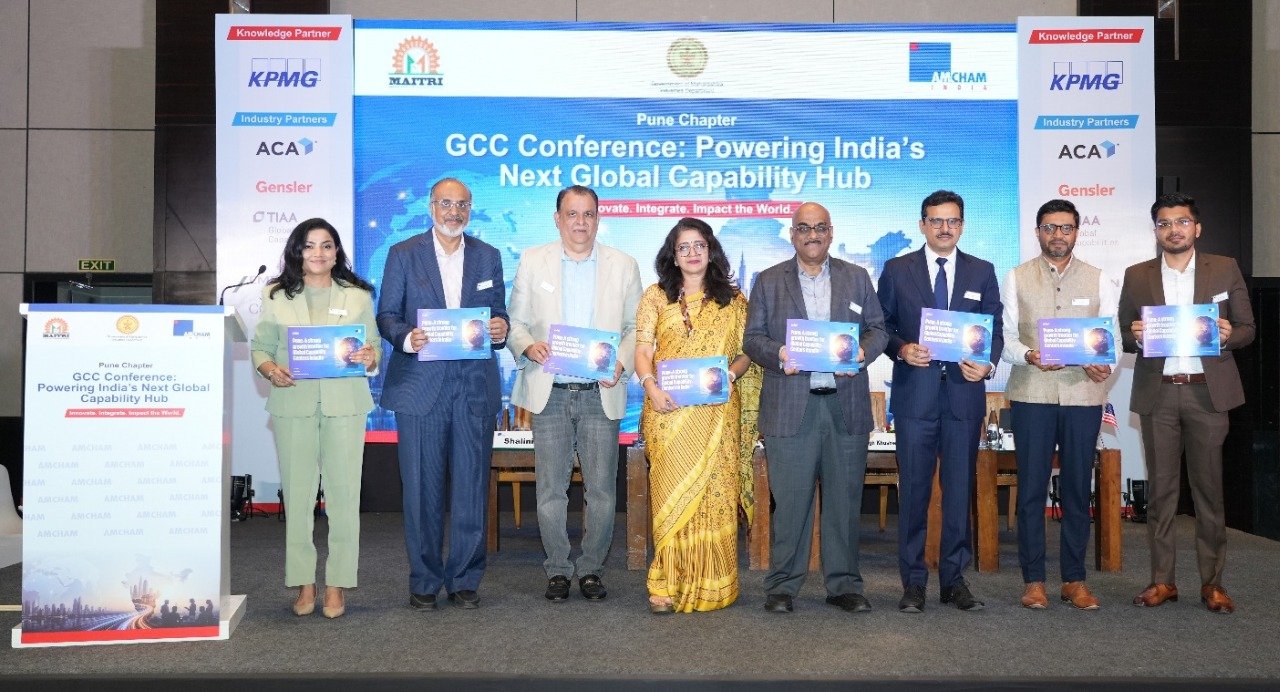
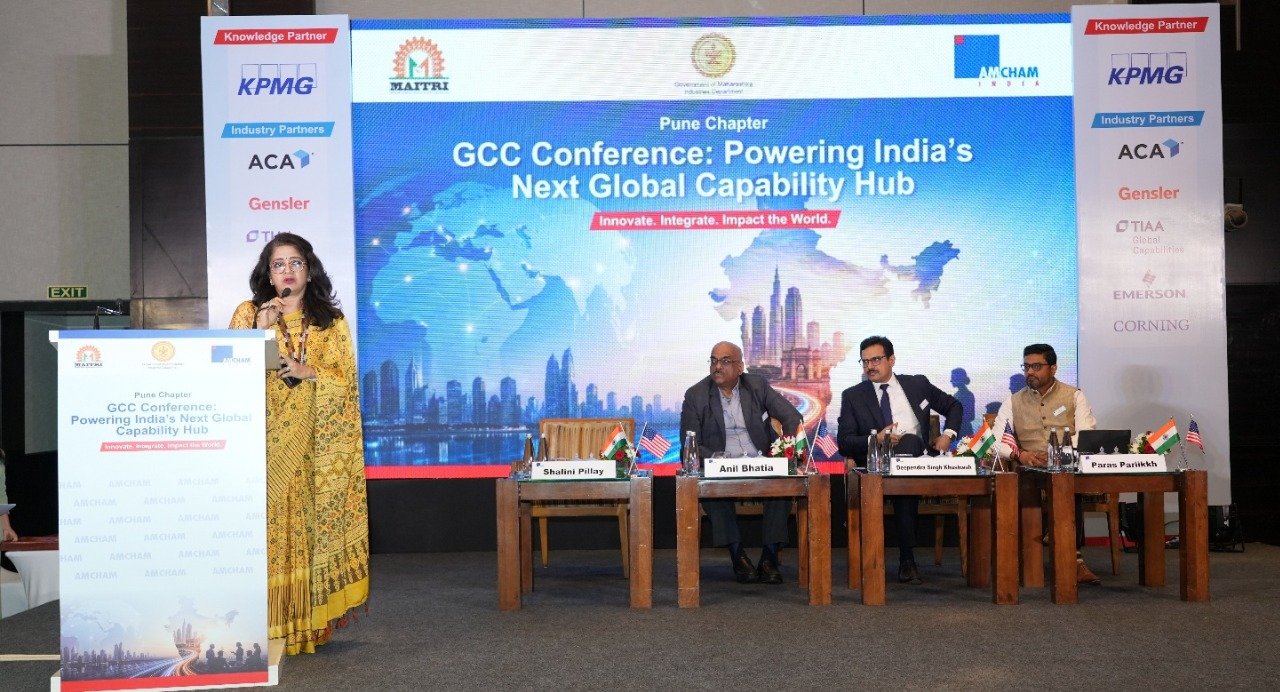
AMCHAM India’s Pune Chapter, in collaboration with the Government of Maharashtra, successfully organized the ‘GCC Conference 2026: Powering India’s Next Global Capability Hub’ on June 3rd in Pune. The conference brought together government officials, industry leaders, GCC heads, and technology experts to discuss the future of GCCs and Maharashtra’s growing role in the global GCC ecosystem. Welcoming participants, Mr. Anil Bhatia, Chairman – Pune Chapter, AMCHAM and Managing Director & Vice President, Emerson India, highlighted Pune’s emergence as a leading GCC destination and emphasized the importance of industry-government collaboration in driving innovation and growth. The inaugural address was delivered by Mr. Deependra Singh Kushwah, IAS, Development Commissioner, Industries, and Chairman, MAITRI, Government of Maharashtra, who outlined the state’s vision for GCC-led growth. He highlighted Maharashtra’s strong economic fundamentals, talent pool, infrastructure, and investor-friendly ecosystem, while detailing the Maharashtra GCC Policy 2025, which aims to attract 400 new GCCs and create 400,000 high-skilled jobs through targeted incentives, talent development, and innovation-led growth. A key highlight of the session was the release of the knowledge paper ‘Pune: The Next Growth Frontier for Global Capability Centers’ developed by KPMG in India, AMCHAM’s knowledge partner. Presented by Ms. Shalini Pillay, Partner and India Leader – GCC, KPMG in India, the paper highlighted Pune’s strengths in talent, innovation, infrastructure, and quality of life, positioning the city as a preferred destination for future-ready GCCs and continued U.S. investment. The inaugural session concluded with a vote of thanks by Mr. Paras Pariikkh, Co-Chairman – Pune Chapter, AMCHAM and Country Head India, ACA Group, who thanked the Government of Maharashtra, KPMG, industry partners, speakers, and participants for their contributions to the success of the conference.
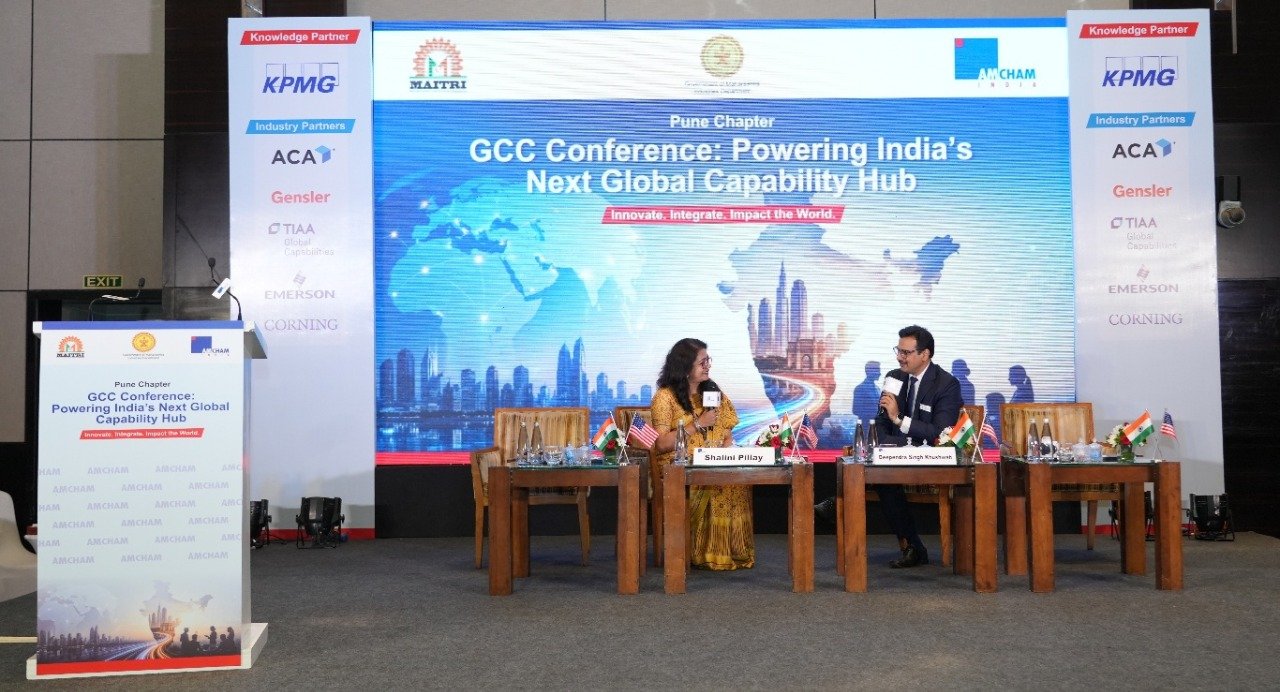
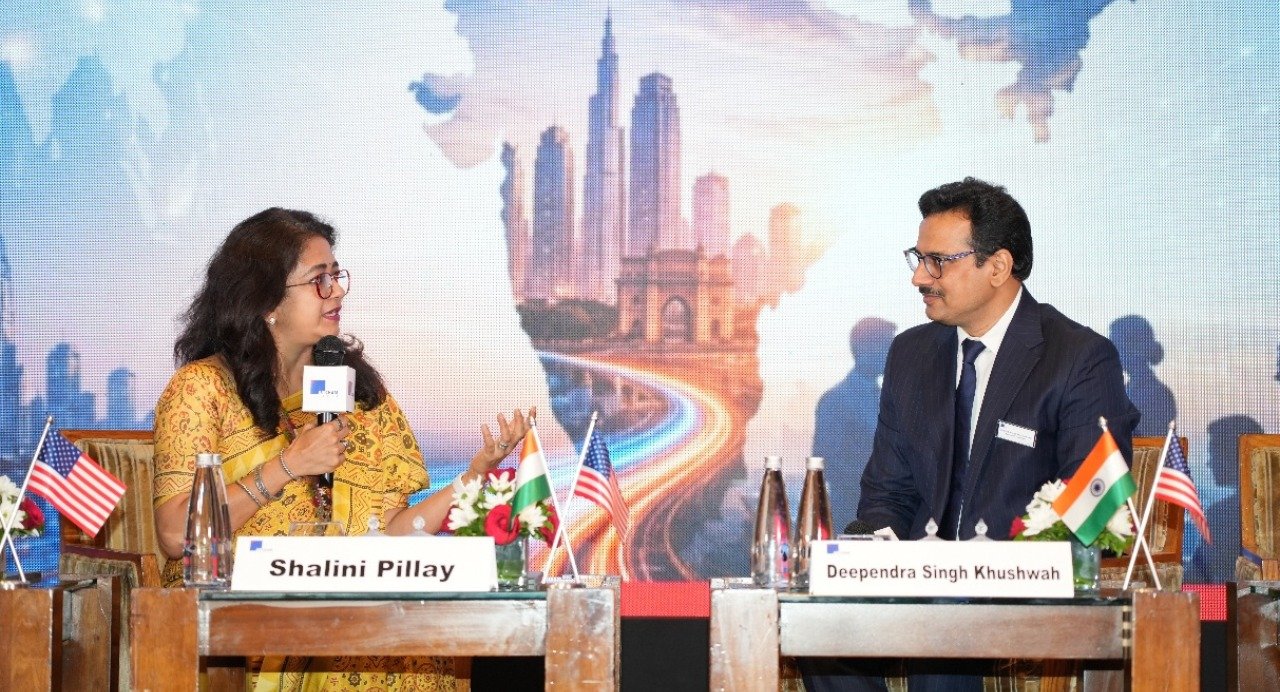
The fireside chat themed ‘Maharashtra’s GCC Vision and the Road Ahead’ between Mr. Deependra Singh Kushwah, IAS, Development Commissioner, Industries and Chairman, MAITRI, Government of Maharashtra and Ms. Shalini Pillay, Partner and India Leader – GCC, KPMG in India focused on Maharashtra’s vision for strengthening its GCC ecosystem and enhancing the state’s attractiveness as a global investment destination. The conversation explored the state’s talent roadmap and the need to develop a future-ready workforce aligned with the evolving requirements of GCCs. Mr. Kushwah highlighted the Government’s focus on industry-academia collaboration, skilling initiatives, and workforce development to build a strong talent pipeline for emerging technologies and industries. The discussion also examined opportunities to combine Maharashtra’s manufacturing strengths with advanced technology capabilities, while fostering innovation through greater collaboration among industry, academia, start0ups, and government. Reaffirming the government’s long-term commitment to the GCC sector, Mr. Kushwah emphasized continued policy support, infrastructure development, and ease-of-doing-business reforms. The conversation further touched upon sustainable energy, infrastructure development, and the role of emerging growth hubs such as Panvel and Navi Mumbai. Mr. Kushwah noted that these locations should complement, rather than compete with, established centers like Pune, whose strong engineering talent base and mature ecosystem position it as a key driver of Maharashtra’s GCC growth story. The session reinforced Maharashtra’s commitment to creating a conducive environment for investment, innovation, talent development, and sustainable GCC-led growth.
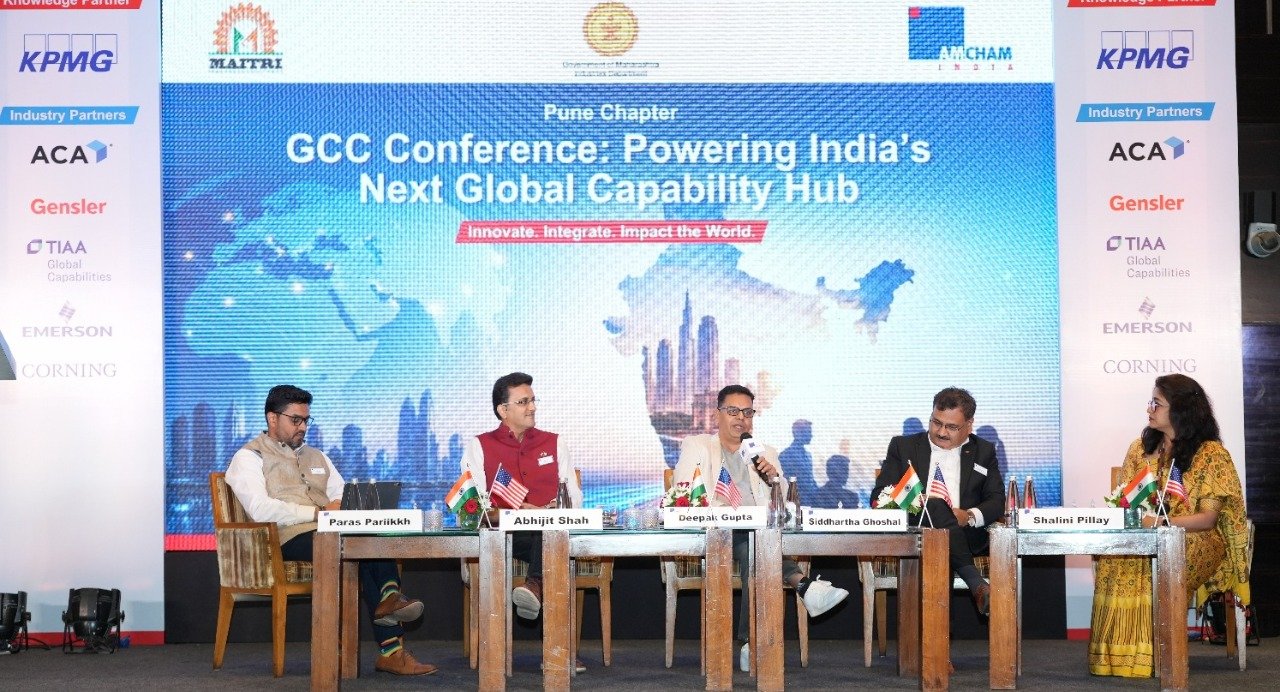
The first panel discussion, ‘The Augmented Workforce: Where Talent and Automation Converge,’ explored how organizations are combining human intelligence with AI, automation, analytics, and digital technologies to drive innovation, productivity, and business growth. Moderated by Ms. Shalini Pillay, Partner and India Leader – GCC, KPMG in India, the session featured Mr. Siddhartha Ghoshal, Chairman – Western Region, AMCHAM and Country Head & CEO, Dow India, Mr. Deepak Gupta, EVP & Head, TIAA Global Capabilities, Mr. Paras Pariikkh, Co-Chairman – Pune Chapter, AMCHAM and Country Head India, ACA Group, and Mr. Abhijit Shah, Managing Director & Managing Principal, Walter P. Moore. The panelists agreed that AI is augmenting rather than replacing the workforce, enabling employees to focus on higher-value activities such as innovation, problem-solving, decision-making, and customer engagement. They highlighted that while organizations are currently focused on scaling AI-enabled solutions, the medium term will see deeper integration of AI into business processes, creating new operating models and skill requirements. The discussion underscored the significant opportunities AI presents in enhancing efficiency, accelerating innovation, and creating business value. At the same time, panelists emphasized the importance of addressing challenges related to talent development, reskilling, leadership, digital trust, governance, and ethics. The session concluded with insights into how GCCs are preparing for this transformation through investments in talent, technology, and innovation, reinforcing the view that the future of work will be shaped by effective collaboration between humans and intelligent technologies.
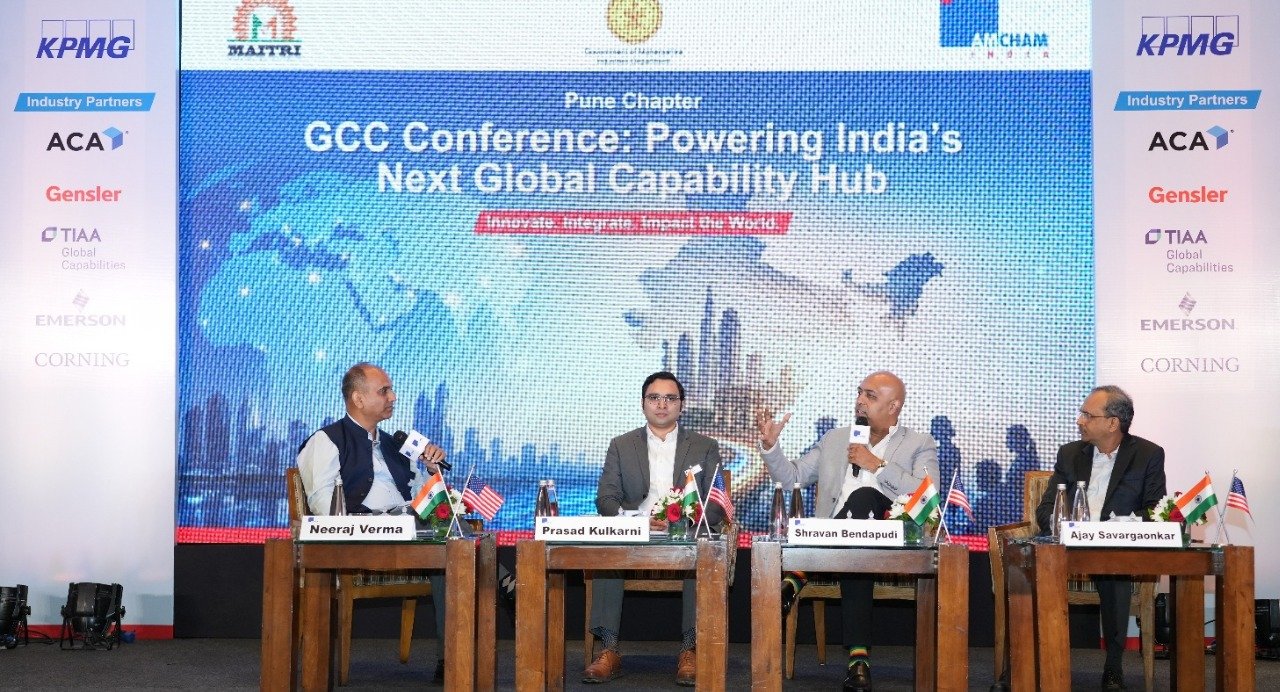
The second session was a panel discussion, ‘From Ambition to Execution: The Realities of AI Adoption,’ which focused on how organizations are moving beyond AI experimentation to deliver meaningful and scalable business outcomes. The session was moderated by Mr. Neeraj Verma, Partner & Cluster Leader – Financial Services, GCC Business Unit, IBM Consulting, and featured Mr. Ajay Savargaonkar, Vice President, Emerson India, Mr. Shravan Bendapudi, Co-Managing Director & Principal, Gensler, and Mr. Prasad Kulkarni, Regional Head of IT, Corning India. The panelists shared practical insights on the challenges of translating AI ambitions into real-world impact. While AI presents significant opportunities to enhance productivity, improve decision-making, and drive innovation, successful implementation requires strong business alignment, quality data, effective governance, and organizational readiness. The discussion highlighted the importance of workforce preparedness, continuous reskilling, and fostering a culture that embraces experimentation and change. Speakers emphasized the need for robust governance frameworks to address issues related to data privacy, security, ethics, and responsible AI adoption. They agreed that successful AI adoption is not about deploying technology for its own sake, but about identifying high-value use cases and creating measurable business impact. The discussion underscored that the future of AI in GCCs will be defined by organizations’ ability to combine technology, talent, and leadership to drive sustainable transformation.
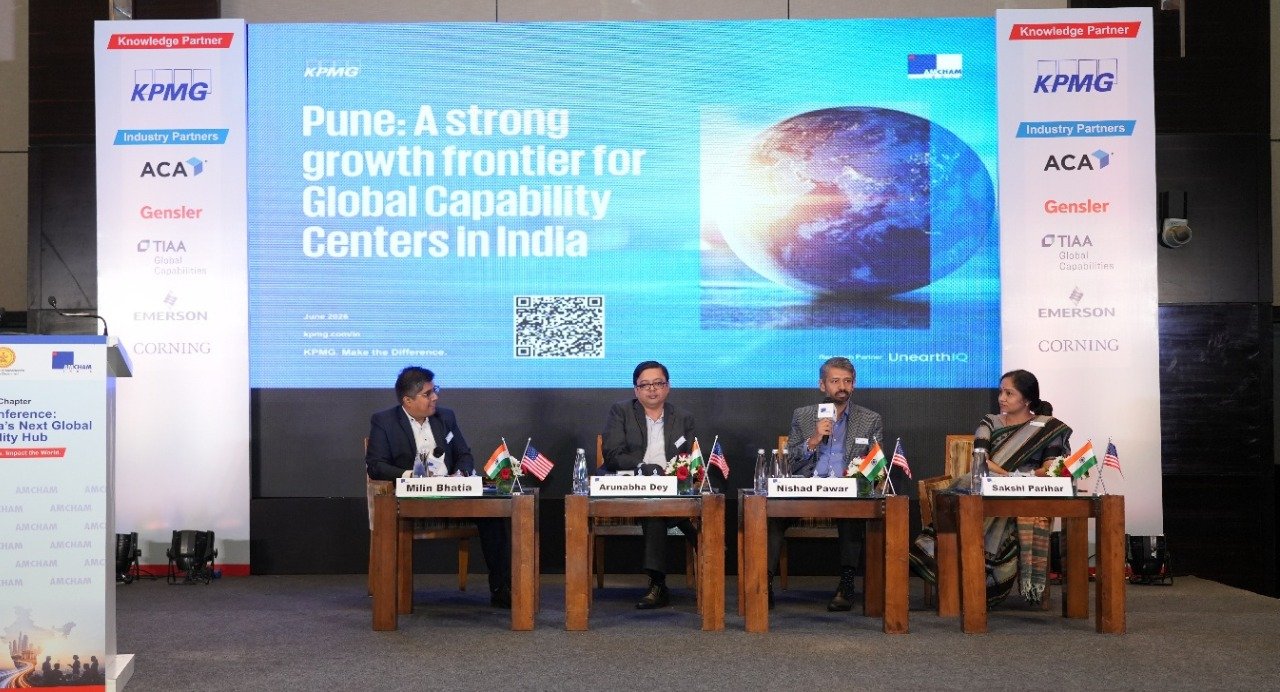
The final panel discussion, ‘Digital Money, Digital World: The FinTech Evolution,’ explored how digital innovation is transforming the way money is created, moved, managed, and embedded into the global economy. Moderated by Mr. Milin Bhatia, Vice President – GCC Advisory, JP Morgan Chase, the session featured Mr. Arunabha Dey, Managing Director and India Cash Product Head, Bank of America, Mr. Nishad Pawar, Global Head of Fund Administration, State Street, and Ms. Sakshi Parihar, Director, Government Affairs & Public Policy, South Asia, Mastercard. The discussion highlighted the evolving role of GCCs in the financial services sector, with centers increasingly moving beyond traditional support functions to become strategic hubs for innovation, product development, digital transformation, risk management, and enterprise-wide decision-making. Panelists emphasized how GCCs are playing a critical role in enabling next-generation payment ecosystems, supporting digital banking platforms, strengthening compliance and governance frameworks, and accelerating the adoption of emerging technologies such as AI and automation. The conversation also explored how financial institutions are leveraging GCCs to drive innovation in areas such as real-time payments, digital identity, embedded finance, cyber security, and customer experience. Speakers agreed that India’s strong talent base, digital infrastructure, innovation ecosystem, and deep financial services expertise continue to strengthen its position as a global GCC destination. They noted that the future of digital money will be shaped by organizations that successfully combine technology, trust, regulatory compliance, and innovation. They emphasized that GCCs will play an increasingly strategic role in powering the next generation of digital banking, payments, and financial services globally.