Events
Past Events
IT Legal Framework: U.S.–India Partnership
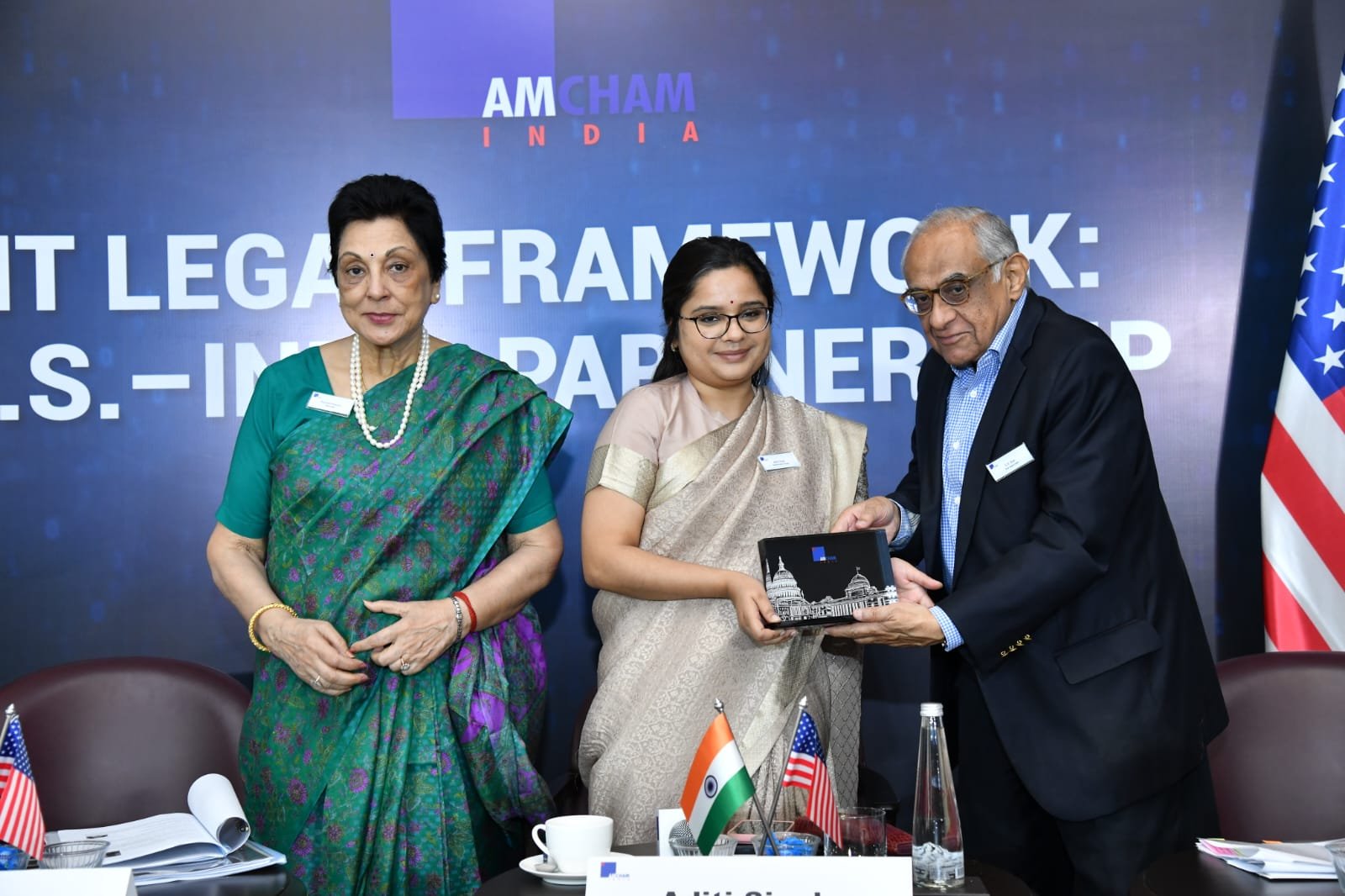
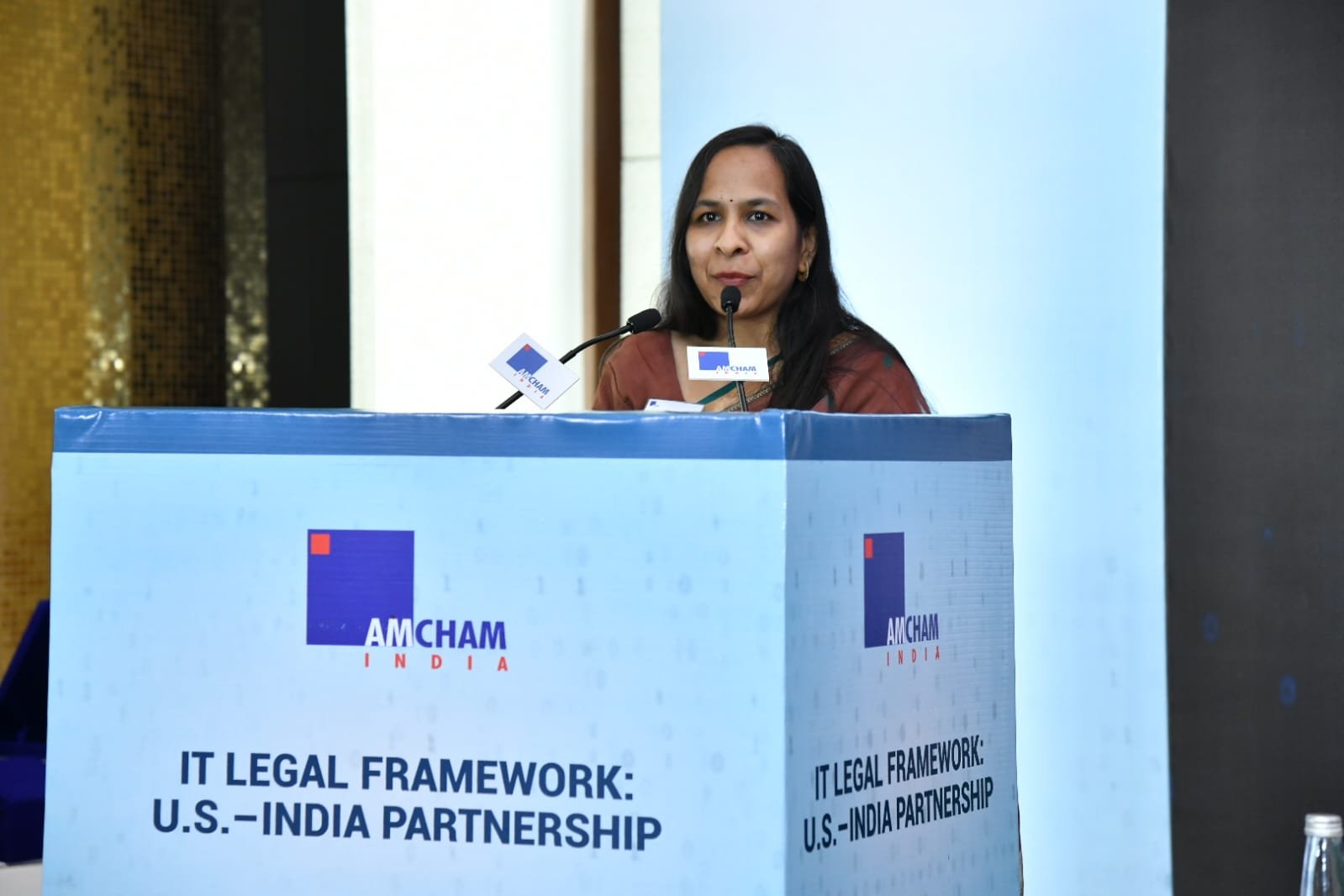
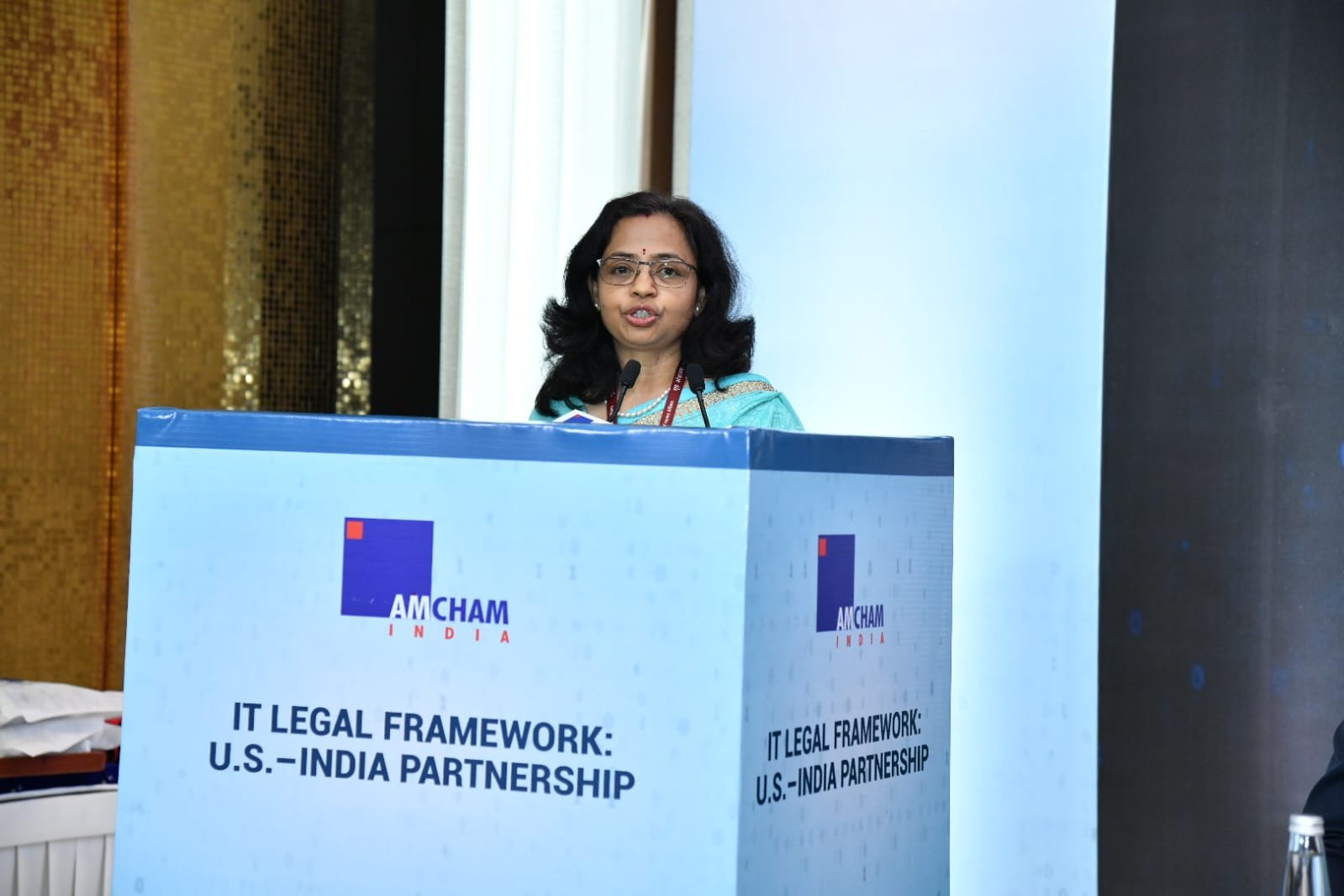
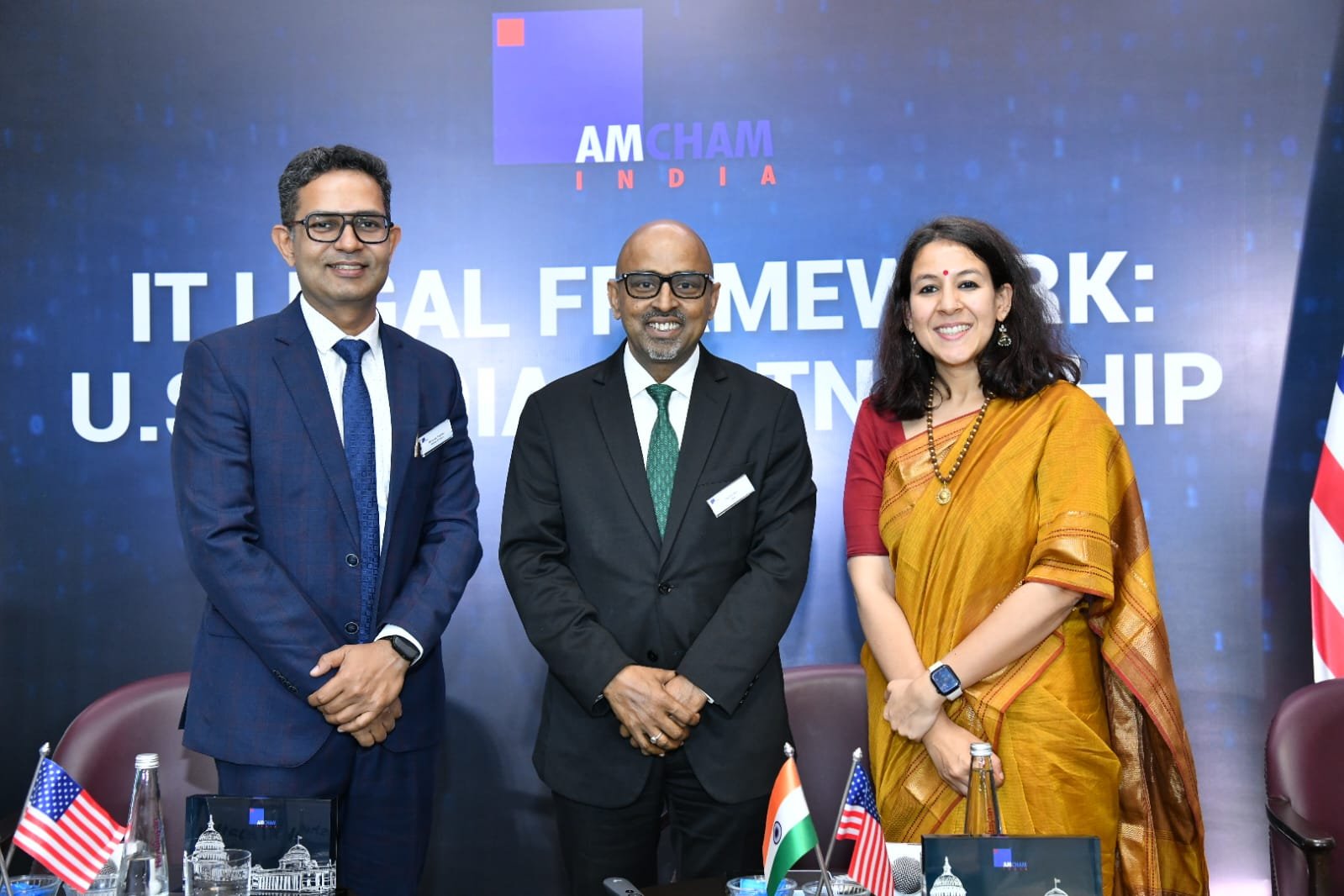
AMCHAM’s conference ‘IT Legal Framework: U.S.–India Partnership’ was held on February 27th at The Oberoi, New Delhi. The conference was structured around three back-to-back sessions spanning advance pricing agreements, regulatory framework and cyber security harmonization, and banking and payments. In her opening remarks, Ms. Ranjana Khanna, Director General CEO, AMCHAM, highlighted India’s landmark IT Amendment Rules effective February 20th, 2026, which introduced mandatory labelling, stricter due diligence, and shortened compliance timelines for intermediaries. She acknowledged and thanked Mr. Jonathan Heimer, Honorary National Executive Board Member, AMCHAM and Minister Counselor for Commercial Affairs, U.S. Embassy, for his support of U.S. industry. Mr. C.R. Dua, National Executive Board Member, AMCHAM and Chairman, Dua Associates, set the scene by drawing a sharp distinction between the strategic ambition of the U.S.–India technology partnership and the operational friction that continues to impede it, transfer pricing disputes, data localization mandates, fragmented data center approvals, and an uneven payments landscape. A special address was delivered by Ms. Aditi Singh, Director – Programme Management & HR, National e-Governance Division (NeGD), Ministry of Electronics & Information Technology, Government of India, who traced India’s digital public infrastructure journey from Aadhaar, UPI, and DigiLocker to the AI Safety Institute and the U.S.-India AI opportunity partnership, and invited industry to co-design interoperability standards, co-invest in quantum-resilient infrastructure, and co-create solutions for the global south using India’s DPI as a large-scale testbed.
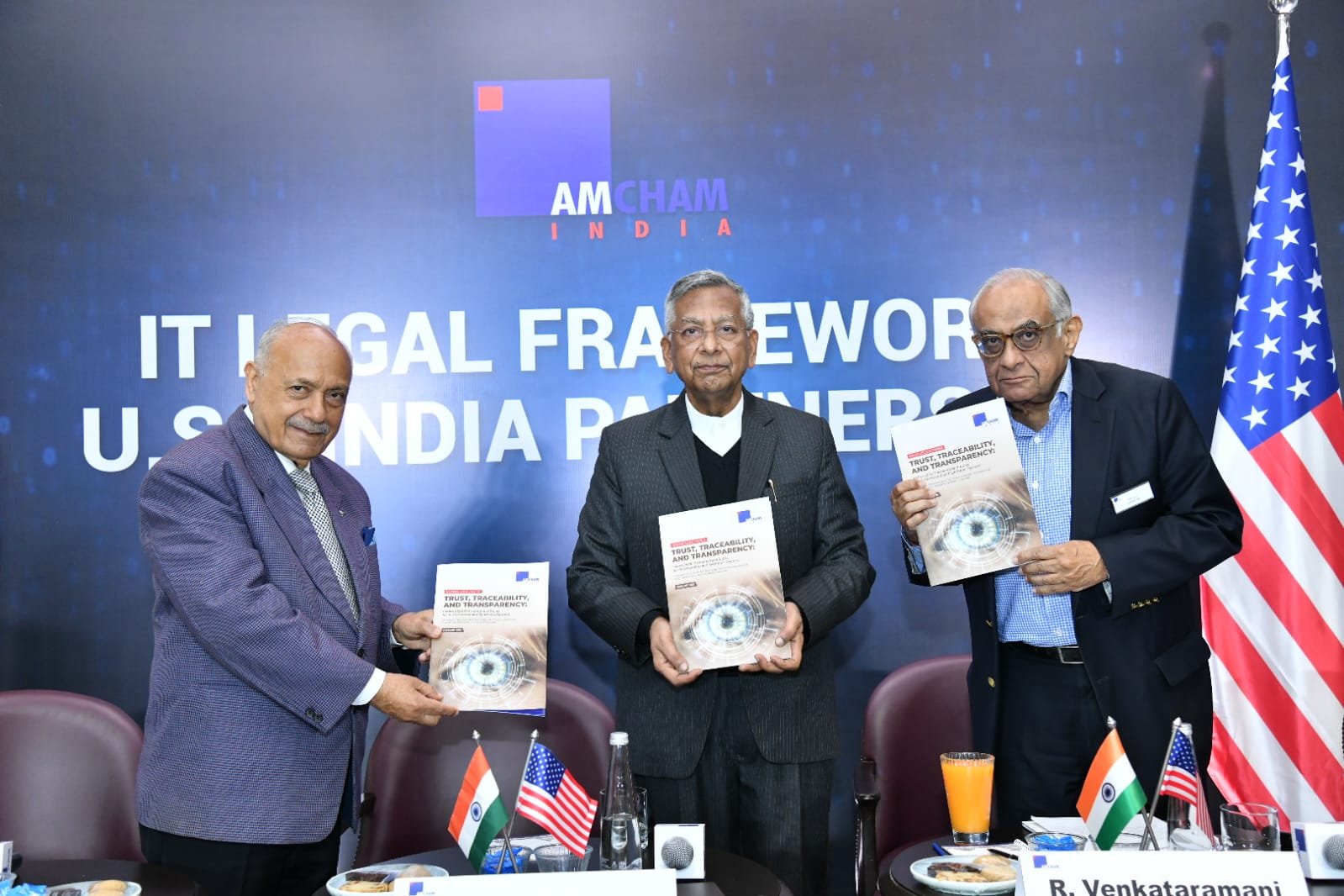
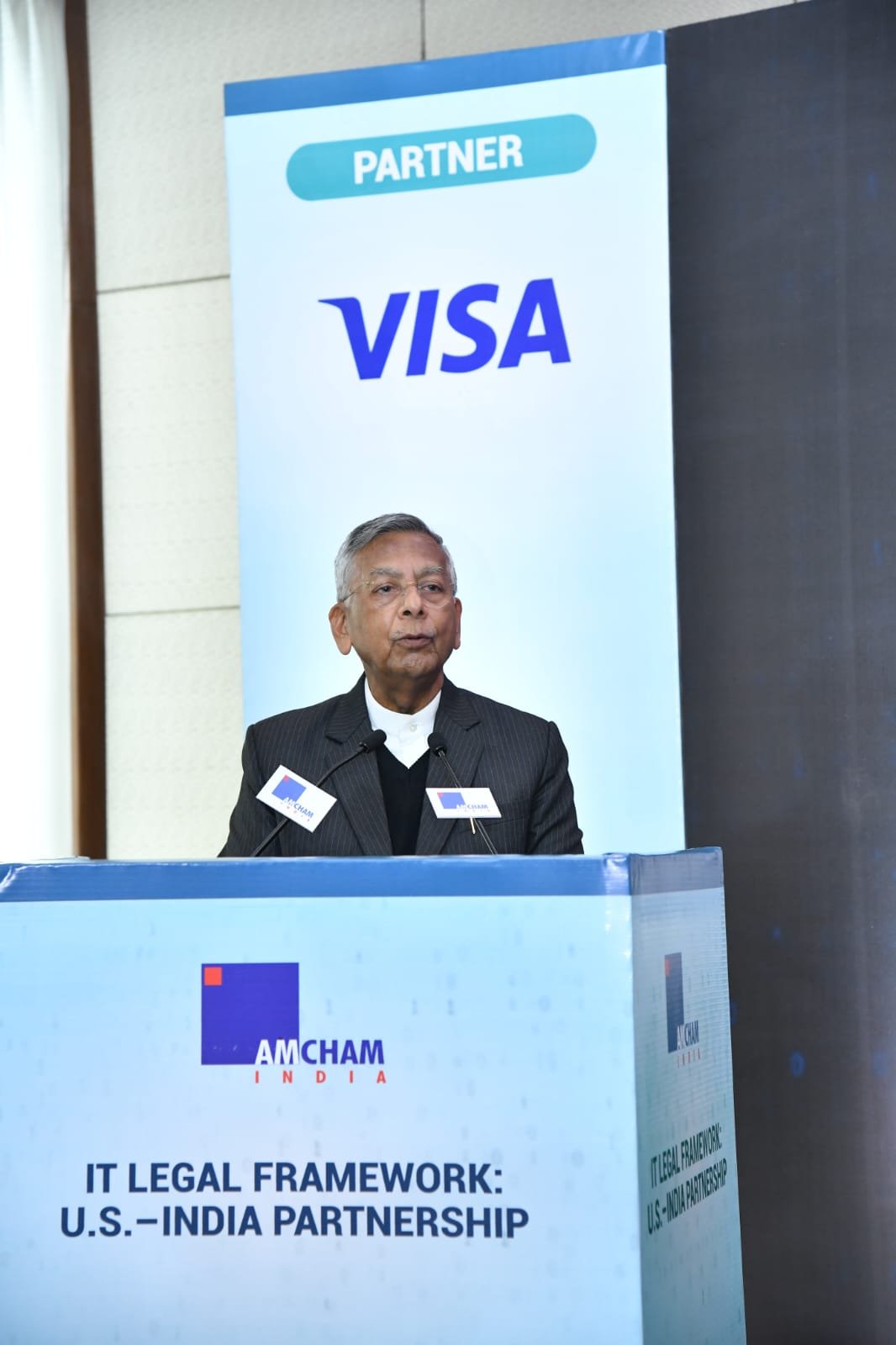
In the inaugural address Mr. R. Venkataramani, Attorney General for India, Government of India, reflected on the governance of economics and the economics of governance in a technology-transformed world, and on the challenge of balancing national development imperatives with the conditions for open, rules-based global trade and commerce. Mr. Venkataramani released AMCHAM’s knowledge paper ‘Trust, Traceability, and Transparency: India’s 2026 IT Amendment Rules for AI-Generated and Synthetic Content,’ along with, Dr. Lalit Bhasin, President, Society of Indian Law Firms & Co-Managing Partner Bhasin & Co. Law Firm and Mr. C.R. Dua, National Executive Board Member, AMCHAM and Chairman, Dua Associates. The paper provides a structured industry perspective on the rules that came into effect on February 20th and examines the implications of the new framework for digital platforms and AI-generated content, while offering practical insights for companies navigating compliance obligations.
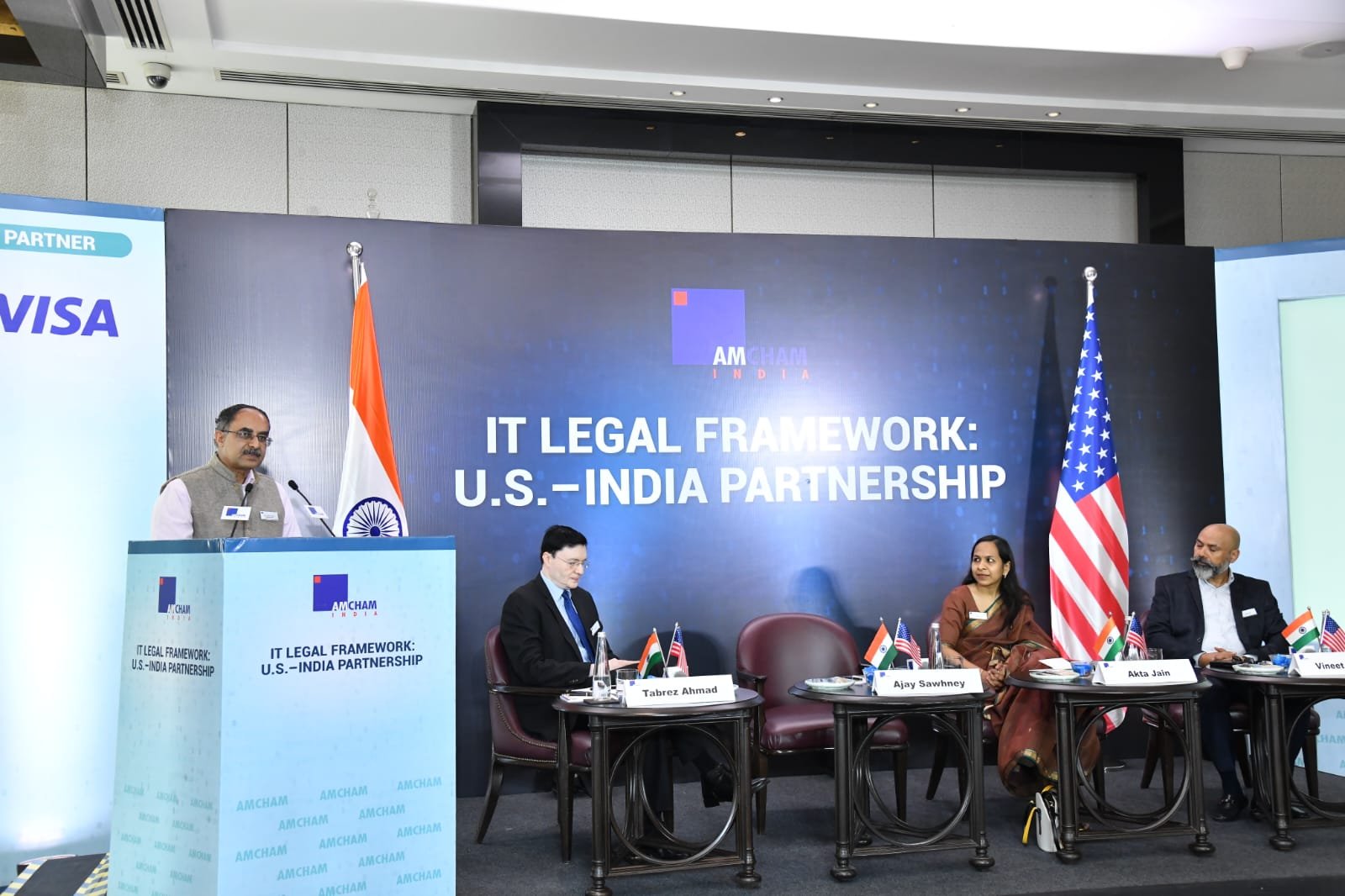
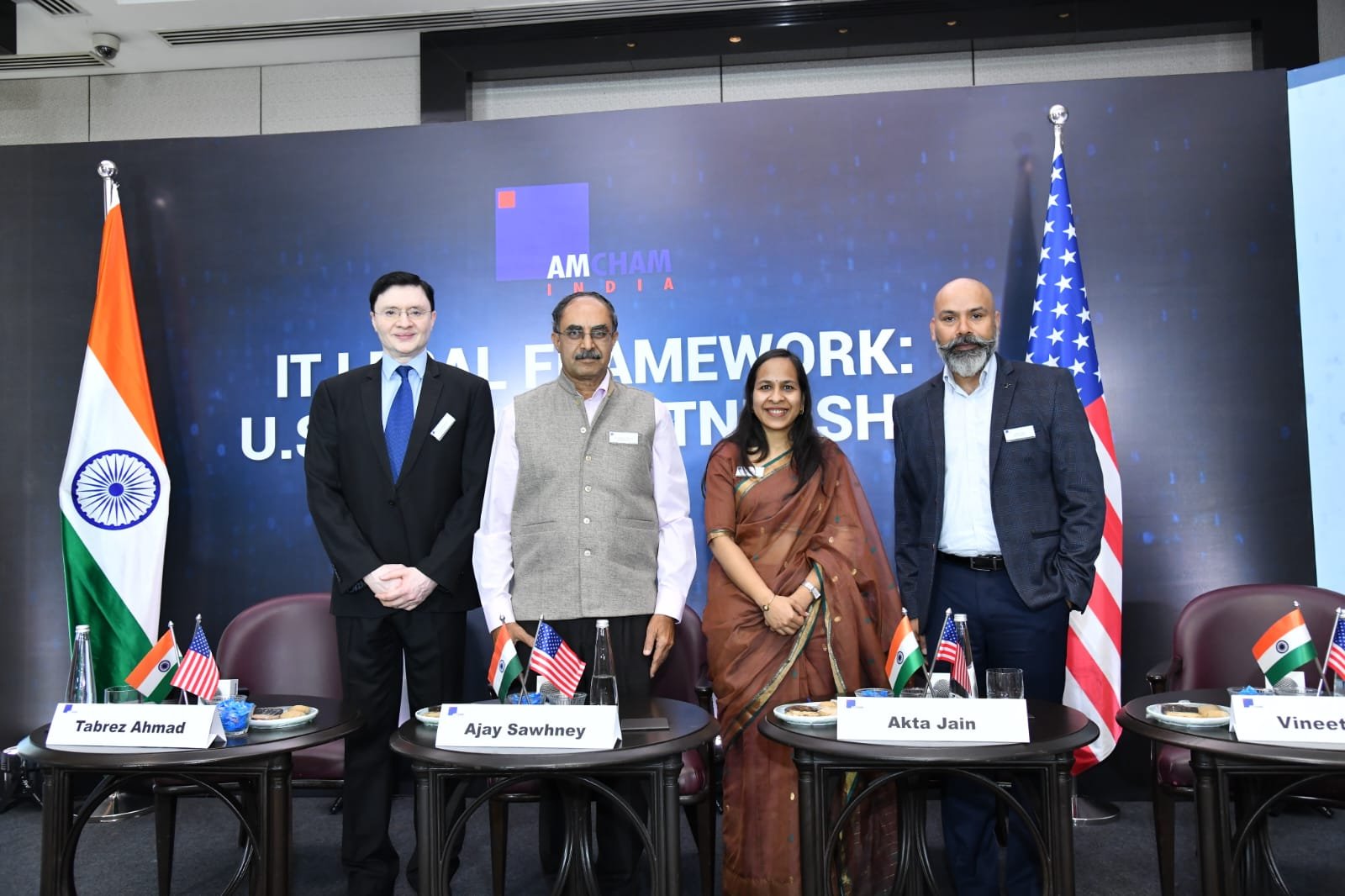
The first session, ‘Advance Pricing Agreements (APAs),’ was moderated by Mr. Tabrez Ahmad, Group Director, Government Affairs, Asia Pacific & Japan, Dell Technologies, and featured a special address by Mr. Ajay Sawhney, Former Secretary, Ministry of Electronics & Information Technology, Government of India, and a special address by Ms. Akta Jain, Deputy Secretary (APA), Central Board of Direct Taxes (CBDT), Department of Revenue, Ministry of Finance, Government of India, and Mr. Vineet Tyagi, Head of Operations India and Global CTO, Biz2X. The session examined the tax certainty imperative for U.S. technology and semiconductor firms investing in India. Mr. Sawhney underscored that the Semiconductor Mission 2.0 provides 50% project cost support, unprecedented in India’s fiscal history, and requires a tax framework that matches its ambition. He noted that a record 174 APAs were signed in FY2024–25, bringing the cumulative total to 815 since 2012. Ms. Akta Jain outlined the maturation of India’s APA program from a late entrant in 2012 to one where approximately 50% of new applications are now bilateral, with the United States accounting for around 65% of all bilateral APAs signed, making it India’s largest APA treaty partner. Mr. Vineet Tyagi called for three industry priorities: greater velocity in APA processing to match the pace of AI-era business, stronger inter-agency harmonization between CBDT, CBIC, and state-level incentive programs, and an AI-enabled digital pre-filing risk assessment framework to standardize comparables and reduce the interpretational disputes that generate the bulk of transfer pricing litigation.
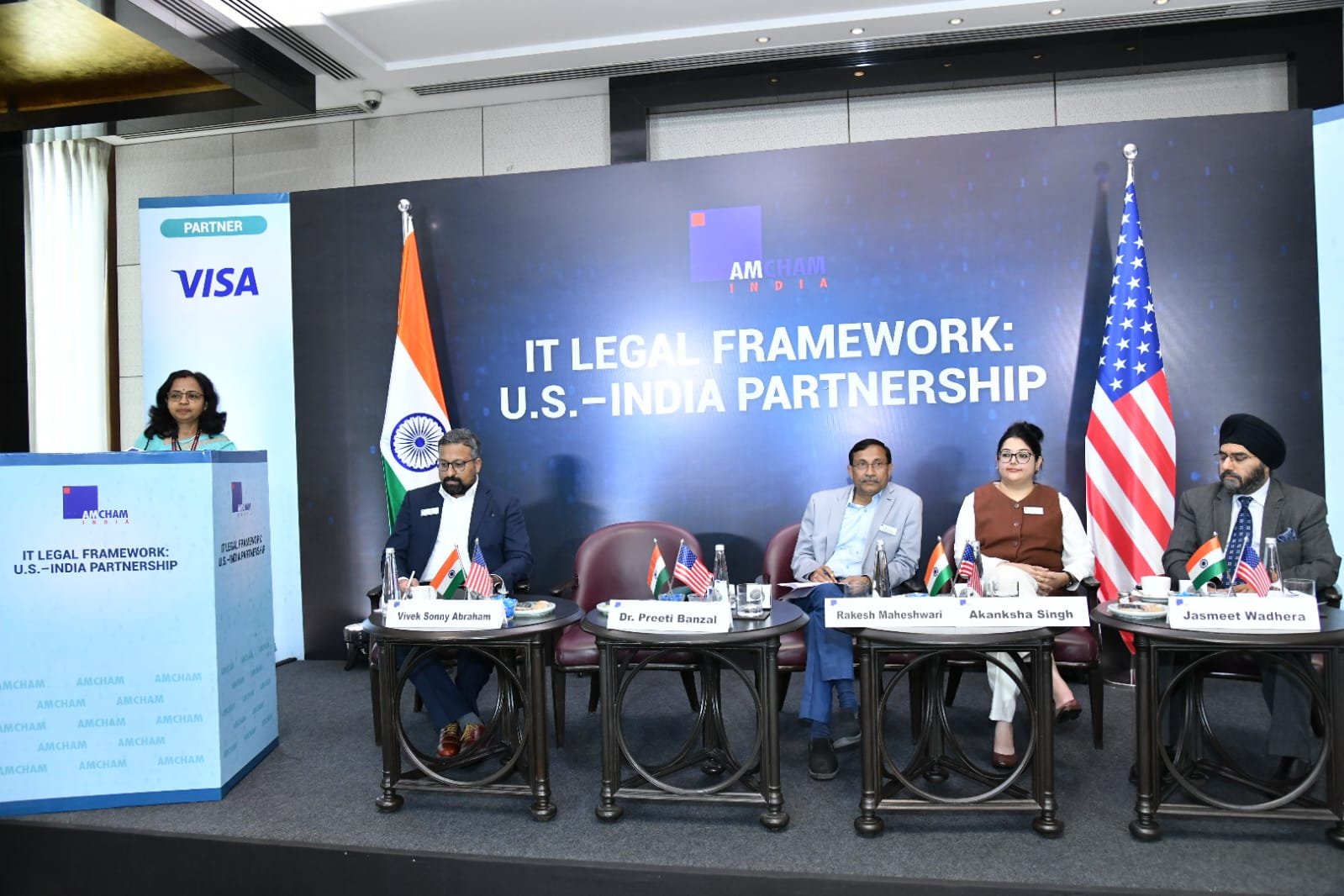
The second session, ‘Regulatory Framework & Cybersecurity Harmonization,’ featured a special address by Mr. Rakesh Maheshwari, Advisor, Cyber Laws and Tech Policy, and former Senior Director and Group Coordinator (Cyber Law, Cyber Security & Data Governance), Ministry of Electronics and Information Technology, Government of India, and a special address by Dr. Preeti Banzal, Adviser/Scientist G, Office of the Principal Scientific Adviser, Government of India. The panel was moderated by Mr. Vivek Sonny Abraham, Senior Director, External Strategy – India & South Asia, Salesforce, with Ms. Akanksha Singh, Director of Cyber Security, S&P Global, and Mr. Jasmeet Wadhera, Head of Legal, India and South Asia, Visa. The session examined the evolving regulatory landscape for artificial intelligence and cyber security across India and the United States. Dr. Banzal outlined India’s shift toward a techno-legal governance model where principles of privacy, fairness, and accountability are being embedded as engineering requirements in the form of audit trails, watermarking, and a national AI incident database and called for joint work on shared AI risk taxonomies, interoperable assurance standards, and bilateral regulatory sandboxes. Mr. Maheshwari raised a foundational challenge that many generative AI platforms do not fit within the current statutory definition of “intermediary” under Indian law, requiring a more agile, principles-based governance architecture. Mr. Wadhera made the case for a unified, interoperable regulatory regime, not a single global regulator, but common parameters and certifications analogous to SOX in accounting or UCP 500 in international trade to eliminate compliance fragmentation for firms operating across multiple jurisdictions. Ms. Singh recommended a layered, risk-based cyber security architecture aligned with the NIST AI Risk Management Framework, with board-level governance, enterprise risk management, and developer accountability as its three tiers. The session closed with three phrases that captured the panel’s consensus: responsible exploitation, balanced innovation, and trustworthy AI.
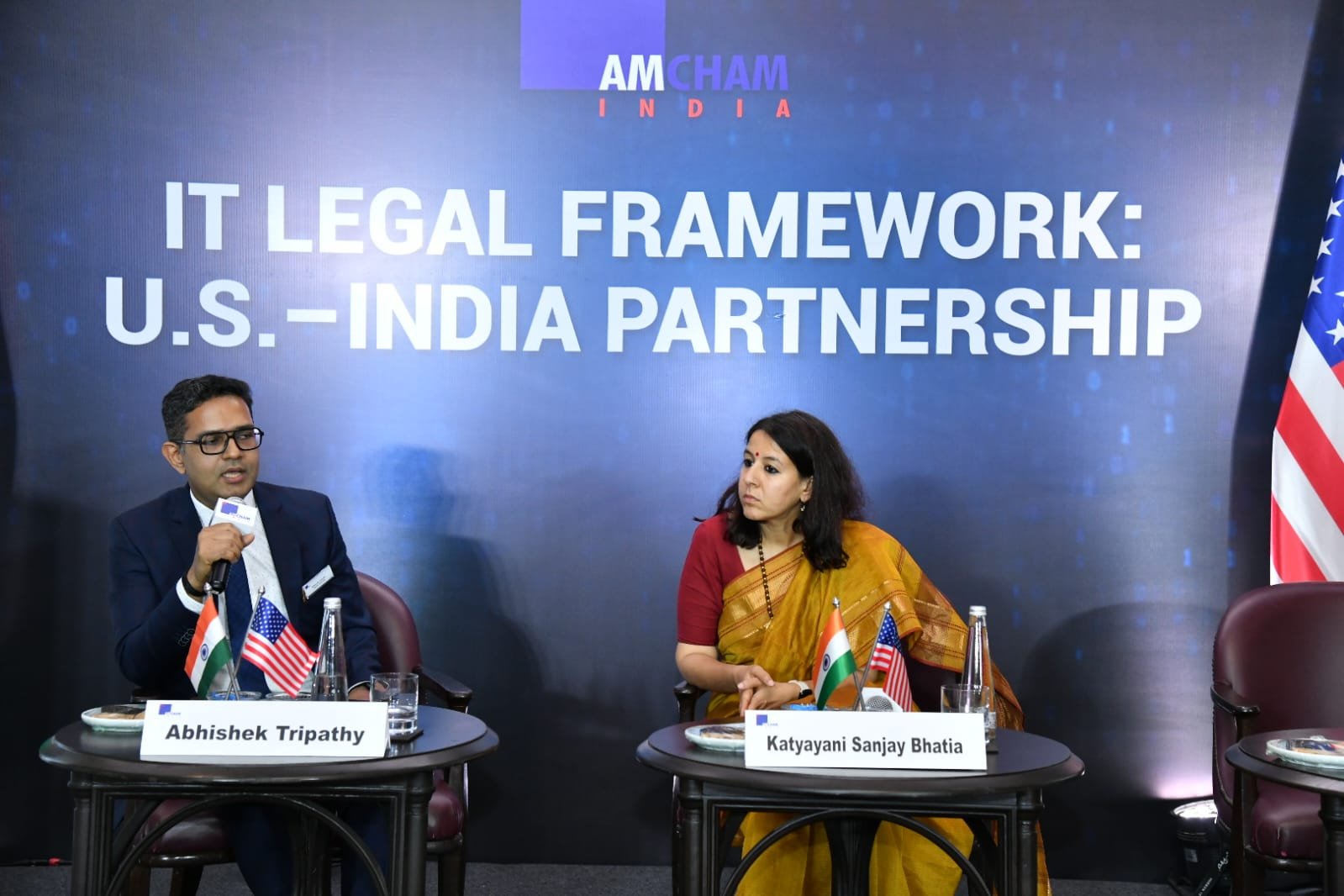
A presentation on the Business Ready (B-Ready) Initiative of the World Bank, an international benchmarking project, was delivered by Mr. Abhishek Tripathy, IRS, Joint Commissioner, Tax Policy Research Unit, Department of Revenue, Ministry of Finance, Government of India, and Ms. Katyayani Sanjay Bhatia, IRS, Deputy Commissioner, Tax Policy Research Unit, Department of Revenue, Ministry of Finance, Government of India. The presentation outlined the life-cycle methodology of the B-Ready initiative, tracking ease of doing business from business formation to closure across ten thematic pillars, and noted that India is to be ranked for the first time in the 2026 report. The speakers emphasized that the ranking is determined by private sector feedback cross-verified against government responses, hence invited industry stakeholders to engage directly with the World Bank survey as a concrete contribution to improving India’s international regulatory standing.
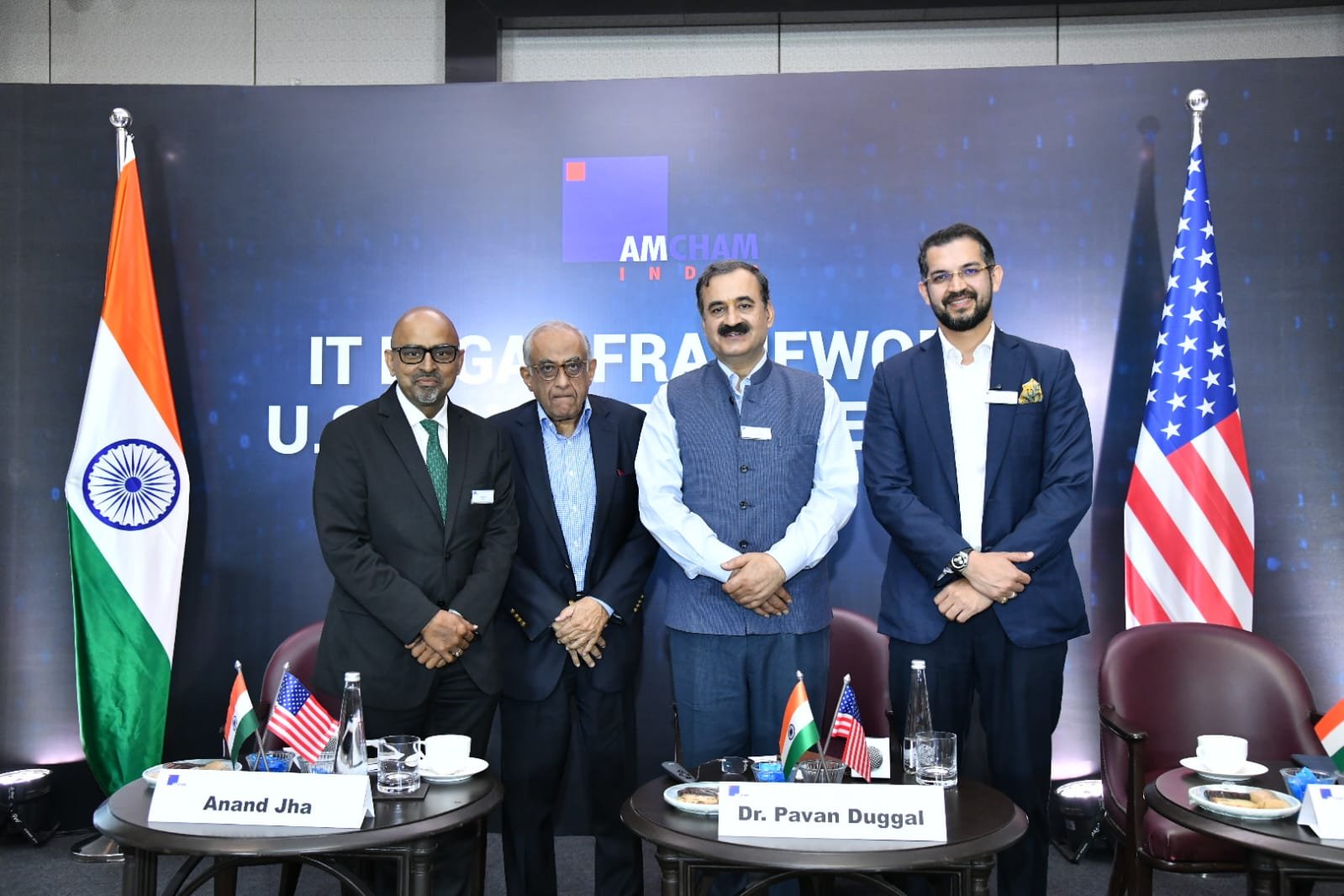
The third and final session, ‘Banking & Payments,’ was moderated by Mr. Anand Jha, Vice President, Government Affairs, India and South Asia, Visa, and featured a special address by Dr. Pavan Duggal, Advocate, Supreme Court of India, and Chief Executive, Artificial Intelligence Law Hub, Pavan Duggal Associates, and Mr. Varun Singh, Founder and Managing Partner, Foresight Law Offices India. Dr. Duggal opened by highlighting a landmark regulatory framework, India’s IT Intermediary Guidelines and Digital Media Ethics Code Amendment Rules, effective February 20th, 2026, which represents the country’s first substantive foray into AI regulation, requiring intermediaries (including all financial institutions) to flag AI-generated content and comply with removal timelines or risk losing the statutory safe harbor protections of Section 79 of the Information Technology Act 2000. He called attention to the critical absence of an AI liability framework in global regulatory regimes, including India’s, and announced the launch of the AI Accountability Framework 2026 and a Global AI Harms Registry to begin building the empirical evidence base needed for accountable AI deployment in banking and finance. Mr. Varun Singh identified three structural barriers to a level playing field for international payment providers: the zero percent merchant discount rate for UPI, which creates an asymmetric competitive environment, tokenization infrastructure requirements that mandate in-country build-out, fragmenting the global fraud detection systems on which international card networks rely, and the shift from a guest to a resident model for payment gateways. He proposed a revenue-tiered MDR threshold and a hybrid data architecture allowing personal data localization while keeping tokenized data on global rails as pragmatic middle paths. Mr. Anand Jha observed that predictability is the most critical enabling condition for global technology companies. Since compliance calendars spanning 200 jurisdictions leave no margin for regulatory surprise, it was noted that India’s long legislative gestation from ministerial consultation to parliamentary passage and presidential assent is itself a form of predictability that industry should recognize and rely on.
The day concluded with a strong consensus that the U.S.–India technology partnership is structurally well-positioned but requires a matching legal and regulatory architecture built on coordination across agencies, consistency in interpretation, and the kind of predictability that converts strategic intent into durable investor confidence. AMCHAM thanks Visa for being a partner for the conference.