Events
Past Events
Roundtable with NITI Aayog on Heterogeneous Compute Infrastructure for India AI
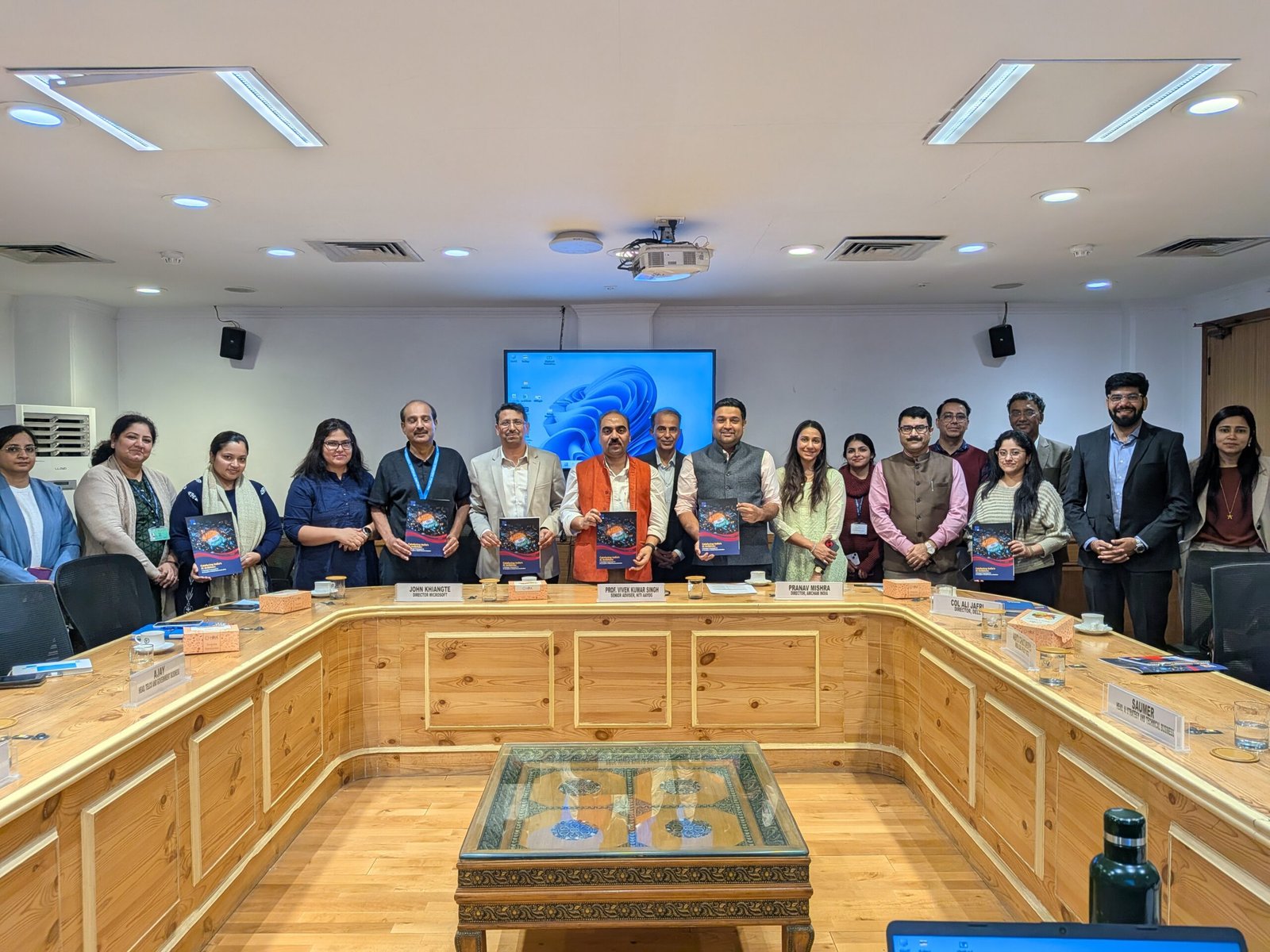
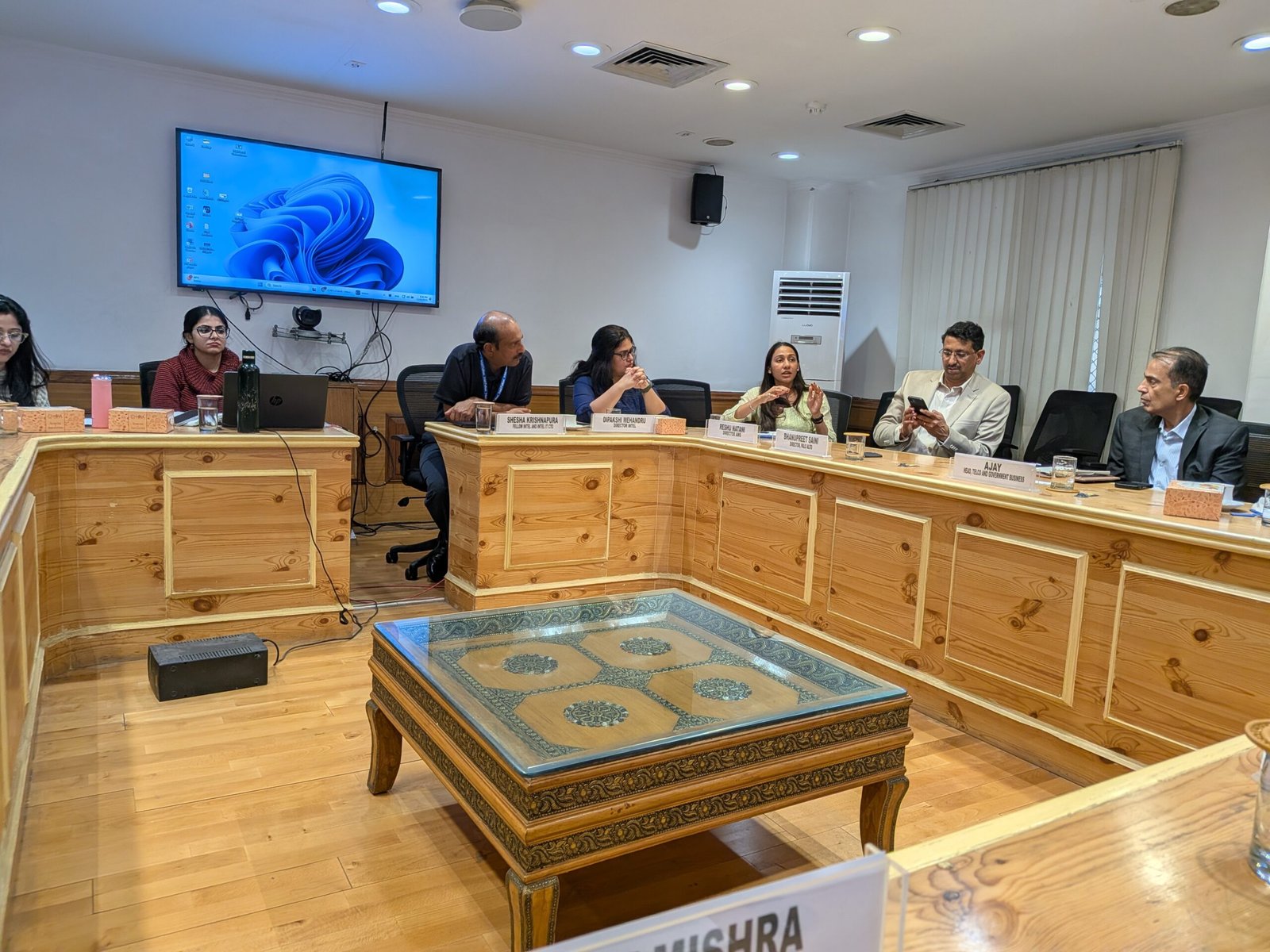
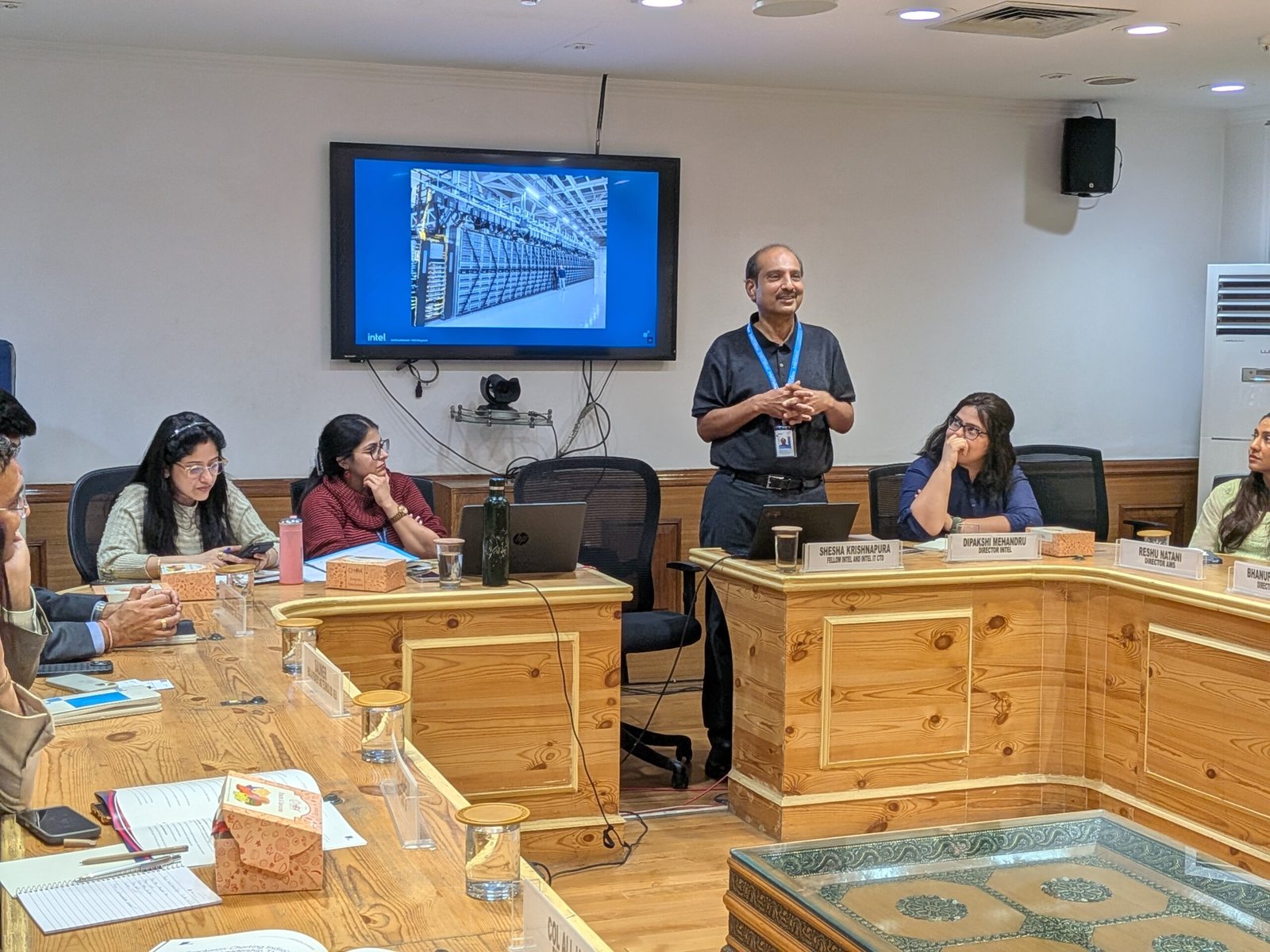
AMCHAM convened a closed-door roundtable on November 24th at NITI Aayog, New Delhi, bringing together senior technology leaders from member companies and senior government officials for a strategic discussion on India’s AI infrastructure. The purpose of the interaction was to examine how heterogeneous computing approaches can support India’s AI Mission and the vision of Viksit Bharat 2047, while ensuring equitable access to AI compute capabilities across the country’s diverse institutional landscape.
Participants acknowledged that the aim of the India AI Mission’s ₹10,371.92 crore investment represents a defining moment in India’s technological trajectory, and strategic decisions about compute infrastructure will significantly influence how effectively these resources democratize AI access. The discussion centered on AMCHAM’s comprehensive knowledge paper ‘Catalyzing India’s AI Ambition: A Strategic Framework for AI Compute & Model Democratization,’ which challenges the default assumption that all AI workloads require GPU infrastructure. While GPUs remain essential for training large models and high-throughput parallel processing, industry leaders presented evidence that many AI applications, including inference optimization, edge computing, and educational deployments, can be efficiently executed on CPUs, NPUs, or hybrid architectures. This heterogeneous approach has the potential to expand institutional AI access from a few dozen premier centers to hundreds of organizations across metropolitan areas, tier-2 and tier-3 cities, and rural institutions.
The discussion explored the critical distinction between AI training and inference workloads, with participants noting that organizations often default to GPU infrastructure regardless of actual computational requirements. Members emphasized that strategic use of heterogeneous computing can reduce total cost of ownership while expanding AI accessibility to institutions at different maturity levels, from foundation builders establishing basic AI literacy to advanced adopters conducting cutting-edge research. The conversation highlighted how matching workloads to optimal architectures based on actual performance requirements, cost constraints, and energy efficiency considerations could significantly amplify the impact of the India AI Mission’s investment.
A significant portion of the dialogue addressed data center expansion and sustainability. Participants examined how strategic architectural choices impact both cost structures and energy efficiency, covering considerations around cooling requirements, power consumption patterns, and environmental sustainability implications. Leaders noted that heterogeneous approaches can potentially reduce energy requirements while maintaining computational effectiveness for specific workload categories. The discussion also touched on India’s growing data center investments driven by digital growth and a strong talent pipeline, while acknowledging the need for careful infrastructure planning to optimize resource utilization.
The roundtable explored opportunities for supporting open compute initiatives that would enable broader institutional participation in AI development. Participants discussed how standardized frameworks for workload classification and architectural mapping could accelerate technology transfer, facilitate knowledge sharing between industry and academia, and support the emergence of India-specific AI applications addressing local challenges in agriculture, healthcare, education, and governance. Members emphasized the importance of building trust and safety mechanisms into AI systems from foundational stages, addressing how compute infrastructure decisions intersect with data sovereignty concerns, algorithmic transparency requirements, and the need to ensure AI development aligns with India’s values while maintaining global competitiveness.
The conversation reflected on the framework’s four foundational pillars: workload-centric classification, strategic architectural mapping, cross-interaction paradigm, and progressive implementation. Participants noted that this graduated approach could ensure equitable access across India’s educational and economic spectrum, with pathways designed for institutions at different maturity tiers. The discussion emphasized that successful implementation of the India AI Mission requires coordination across multiple stakeholders —government policymakers, technology providers, academic institutions, research organizations, and industry adopters, with the heterogeneous compute framework providing actionable methodology for resource allocation decisions while maintaining flexibility to adapt as AI technologies continue evolving.
The meeting was hosted by Dr. Vivek Singh, Senior Advisor, NITI Aayog with participation from Ms. Simarjot Kaur, Consultant Grade 1, NITI Aayog, Mr. Deepak Narang, Consultant Grade 1, NITI Aayog, and other NITI Aayog team members including Dr. Pratibha Chanana, Dr. Zeba, Ms. Tusha, and Ms. Akansha Dhamija. Industry representatives from the following companies participated: Amazon Web Services, Dell Technologies, Google, Hewlett Packard Enterprise, Intel Corporation and PaloAlto Networks.