Events
Past Events
Agri & Food Tech 2025: Redefining the Future of Food Production
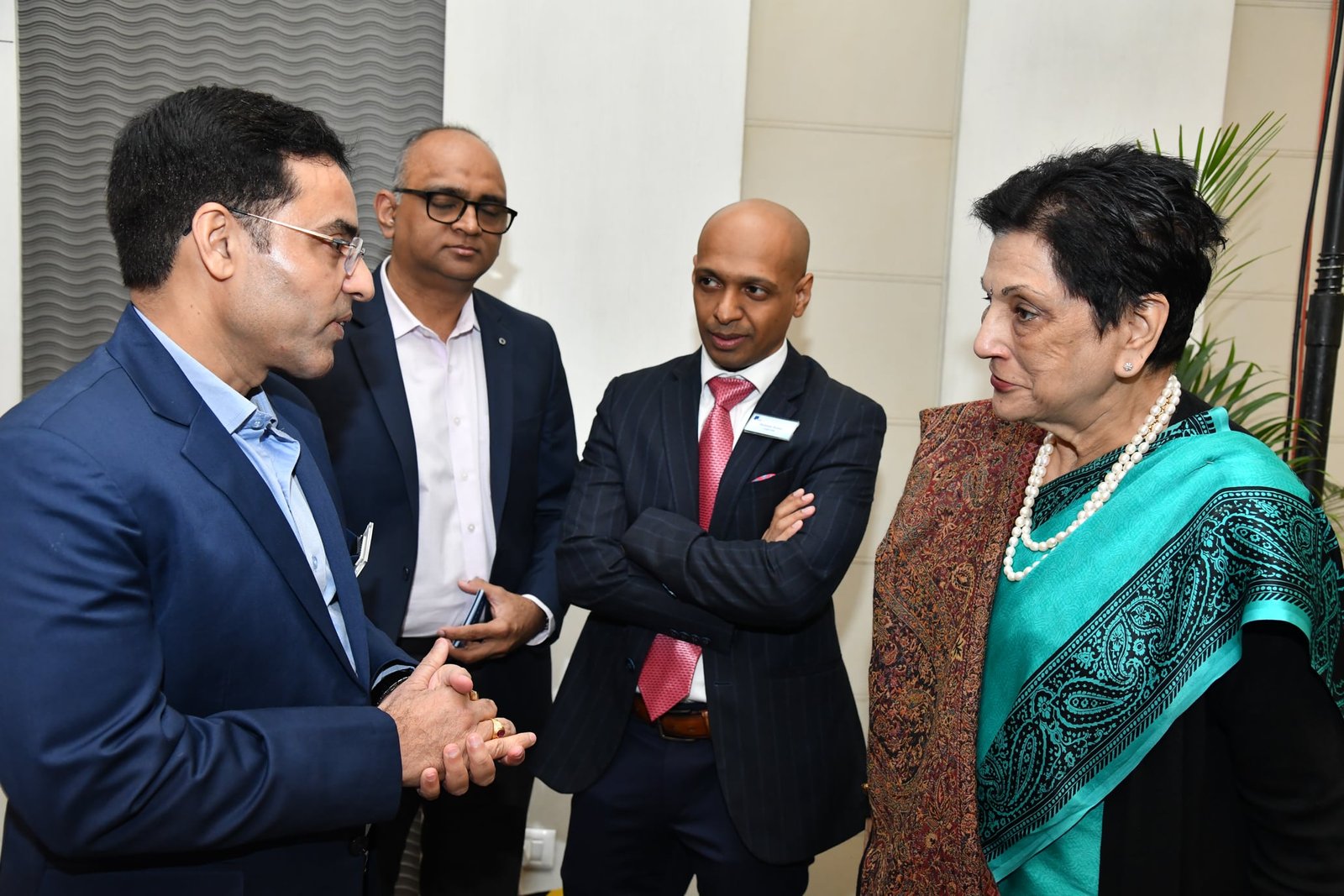
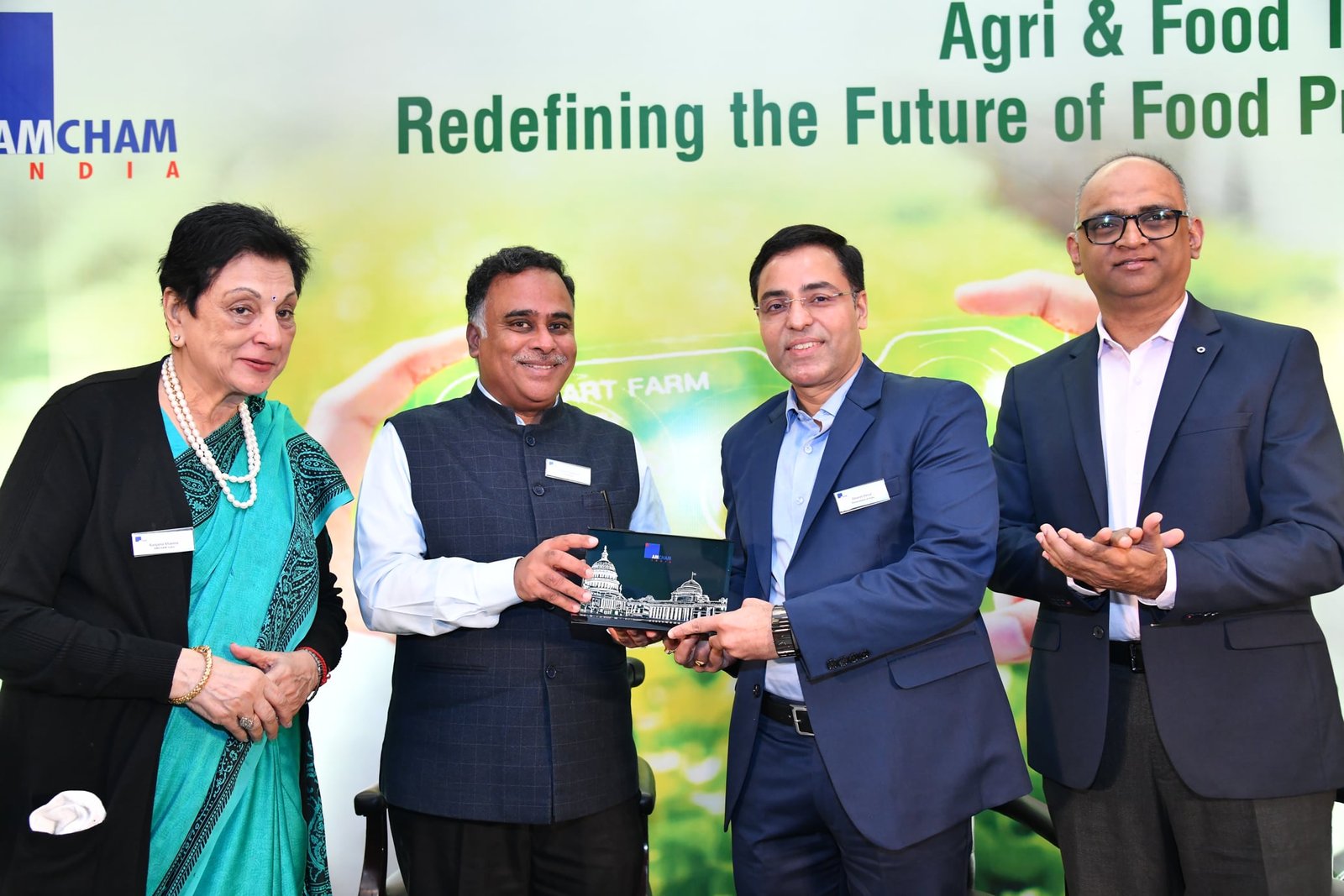
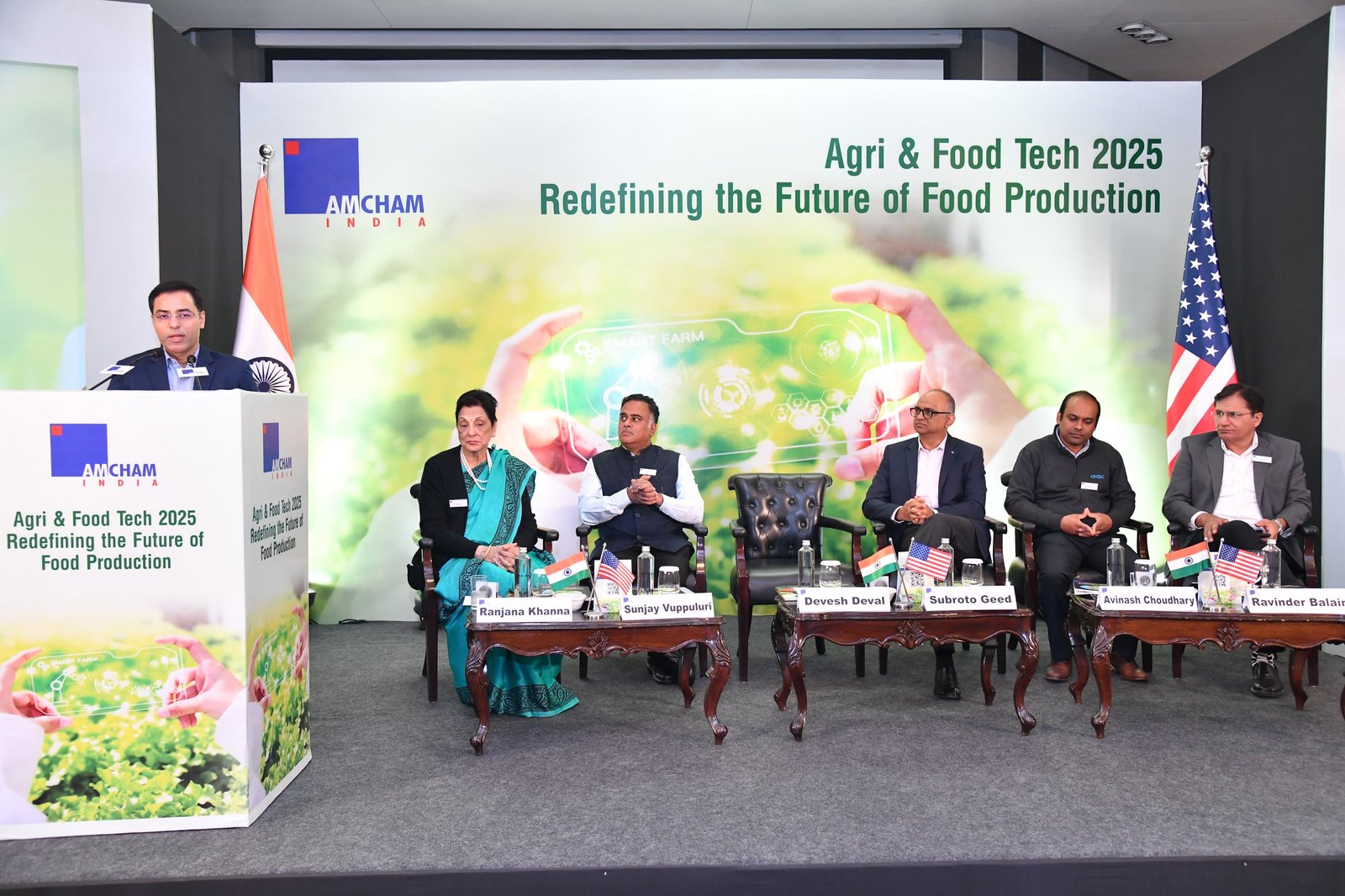
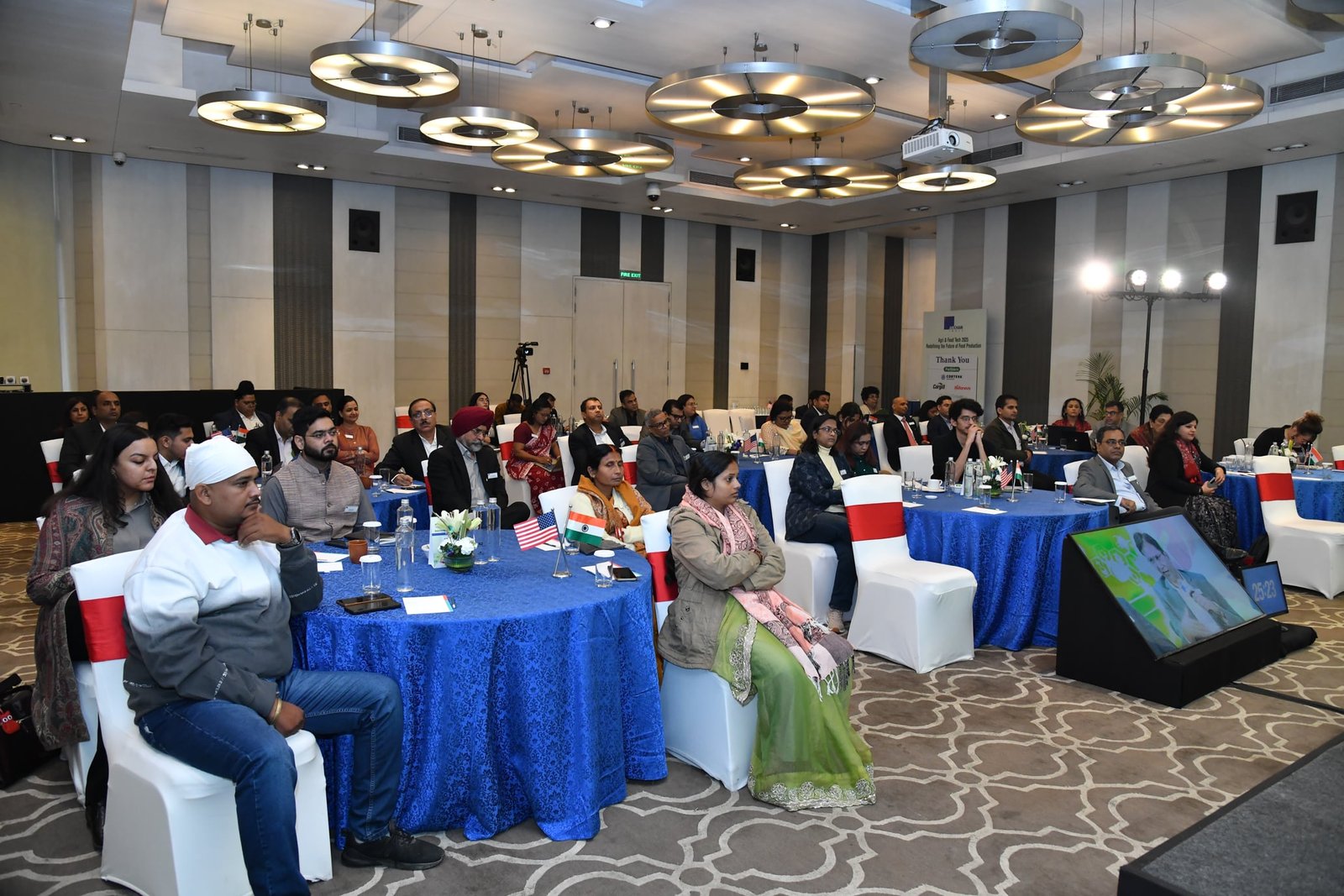
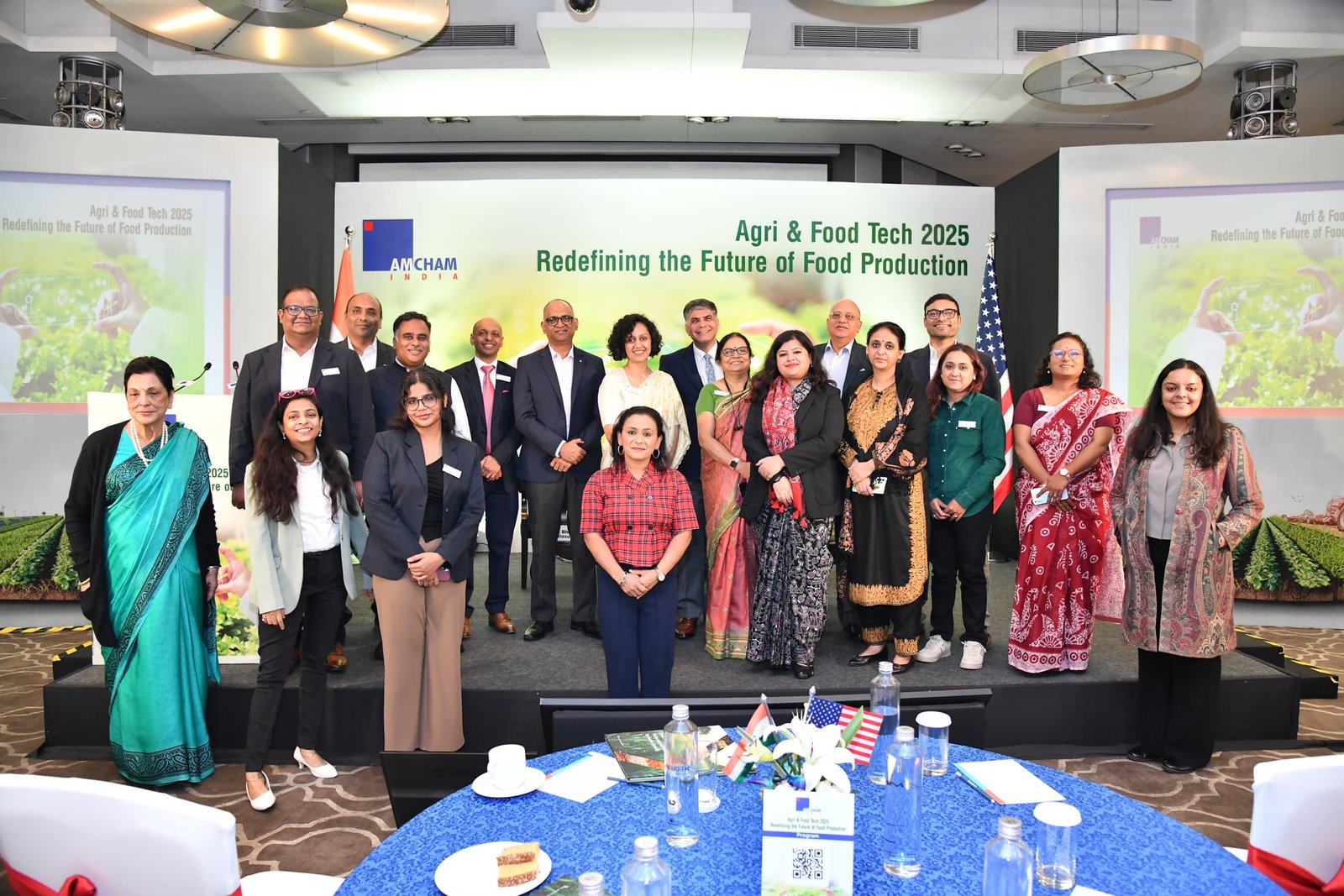
AMCHAM’s Agriculture & Food Processing Committee organized its annual conference themed ‘Agri & Food Tech 2025: Redefining the Future of Food Production’ on November 19th in New Delhi. The global agri-food industry is on the brink of a transformative revolution, driven by advances in technology, sustainable practices, and an increased need for food security. As the world faces pertinent challenges like climate change, population growth, resource scarcity, the role of technology in agriculture and food processing has become even more critical. Technological innovations — ranging from precision agriculture, agri-biotechnology, artificial intelligence, and data-driven farming to sustainable food processing and packaging are redefining the future of food production. The integration of these advancements has the potential to enhance productivity, reduce environmental impact, and ensure food security. Ms. Ranjana Khanna, Director General CEO, AMCHAM, in her welcome address highlighted India’s dual position as both an agricultural powerhouse and a nation facing significant food system challenges. She emphasized that India’s AgriTech market, projected to reach $25 billion in 2025, offers tremendous opportunity through AI-driven systems, precision agriculture, IoT sensors, blockchain traceability, and automation. Dehydration technology and last-mile connectivity were identified as immediate opportunities to reduce losses while increasing farmer incomes and product shelf life.
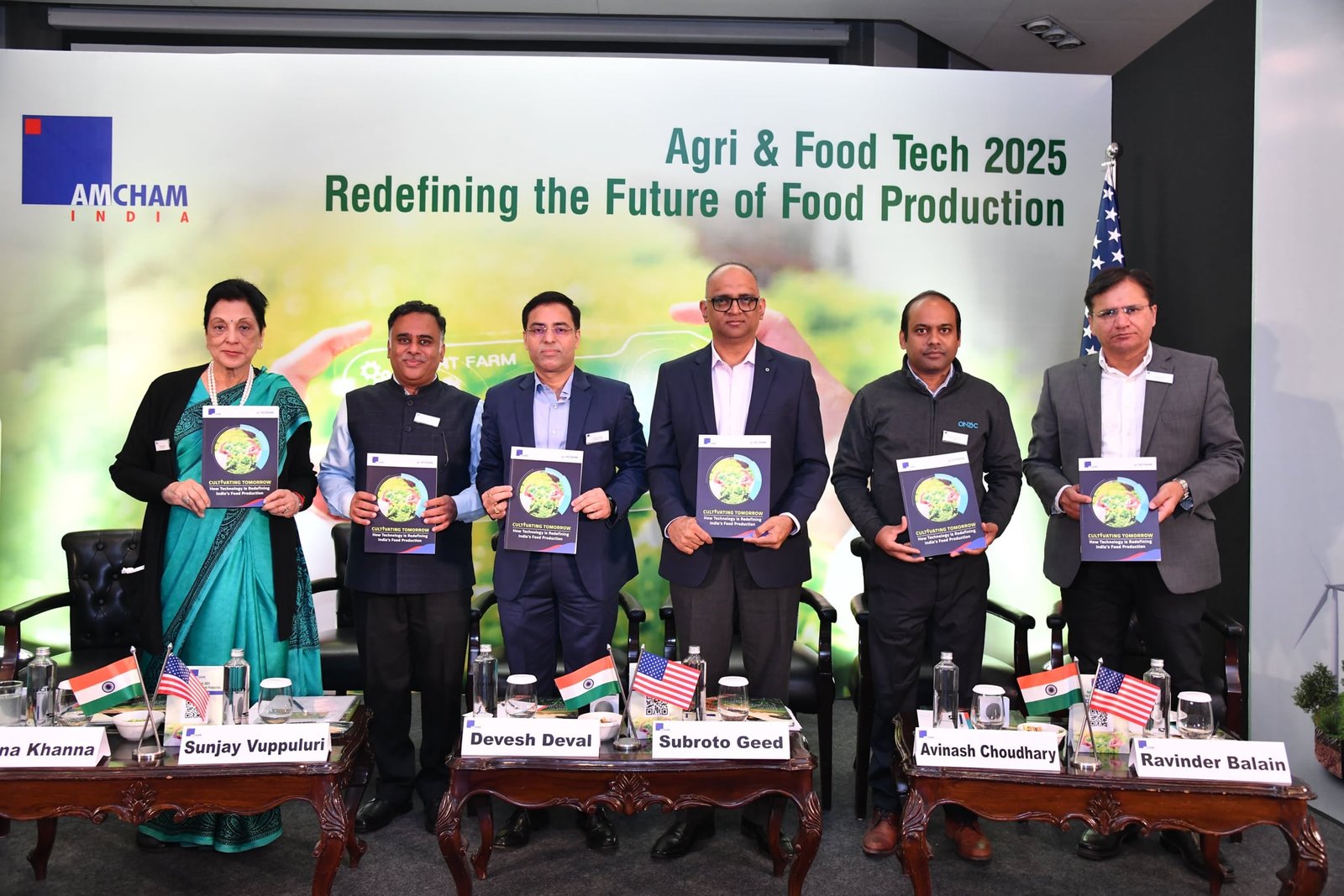
The opening address was given by Mr. Subroto Geed, Chairman – Agriculture & Food Processing Committee, AMCHAM and President, South Asia, Corteva Agriscience. He spoke about India becoming the largest contributor to population growth, making technology adoption not just beneficial but existential. He emphasized that technology is already touching every segment of the food value chain, from IoT sensors enabling precision farming to blockchain ensuring consumer transparency and food safety. He also shared the yearly activities done under the aegis of AMCHAM’s Agriculture & Food Processing Committee. AMCHAM, in collaboration with Yes Bank, released a knowledge report ‘Cultivating Tomorrow: How Technology is Redefining India’s Food Production.’ Mr. Sunjay Vuppuluri, National Head, Food & Agribusiness Strategic Advisory & Research (FASAR), Yes Bank, gave an overview of the report which explores the evolving role of technology in the food ecosystem, across farm level production, post-harvest management, processing, value addition, logistics and distribution. It highlights the growing role of data-led decision-making, digital public infrastructure, private sector led innovations and the Government of India’s policy push that are accelerating the adoption of innovative technology in Indian agriculture. It acknowledges the barriers that constrain largescale adoption of frontier technologies and identifies select initiatives that the private sector and government could focus on to create an enabling environment to fuel innovation and boost technology adoption.
In a special address, Mr. Avinash Choudhary, Lead – Agri, Open Network for Digital Commerce (ONDC), explained how ONDC’s architecture unbundles supply, demand, and fulfillment in contrast to the traditional platforms where single entities control all aspects. At present, 8,000 Farmer Producer Organizations (FPOs) actively sell value-added products through ONDC, with the platform integrating critical services from soil testing and quality assaying to assurance and payment guarantees. The upcoming integration of e-NAM (National Agriculture Market) with ONDC promises to exponentially expand transparent electronic trading. He shared how ONDC’s agriculture solutions are designed around farmer-centric principles covering the complete agricultural lifecycle from pre-harvest planning and input procurement through cultivation, harvesting, post-harvest management, and final market linkages.
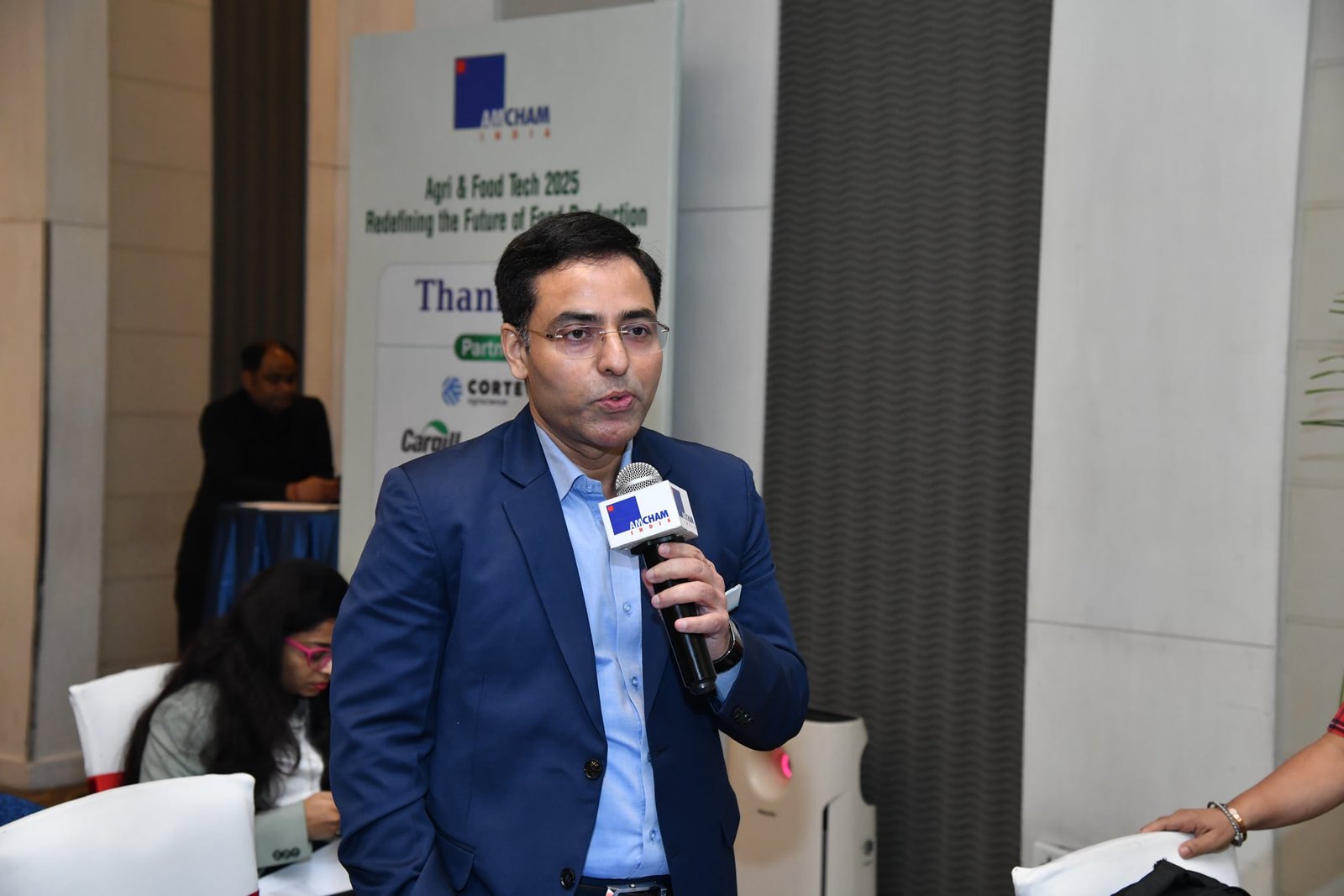
Mr. Devesh Deval, Joint Secretary, Ministry of Food Processing Industries, Government of India, in the keynote address, outlined the government’s strategic interventions and how the Ministry operates at a three-tiered approach: Production Linked Incentive (PLI) scheme for global brands; PM-KISAN SAMPADA scheme for mid-level enterprises, and PMFME (Pradhan Mantri Formalization of Micro Food Processing Enterprises) scheme supporting numerous micro-enterprises. Mr. Deval emphasized the need for holistic, cross-ministry coordination and invited industry to present state-specific challenges for resolution through planned and continuous brainstorming sessions. With greater public private partnerships, it is aimed to achieve the 40% processing target in line with the developed economies of the world. He also shared updates pertaining to specific issues and challenges facing industry. Mr. Ravinder Balain, Co-Chairman – Agriculture & Food Processing Committee, AMCHAM, Country President, Cargill India and Managing Director, Cargill Animal Nutrition & Health, South Asia gave the vote of thanks.
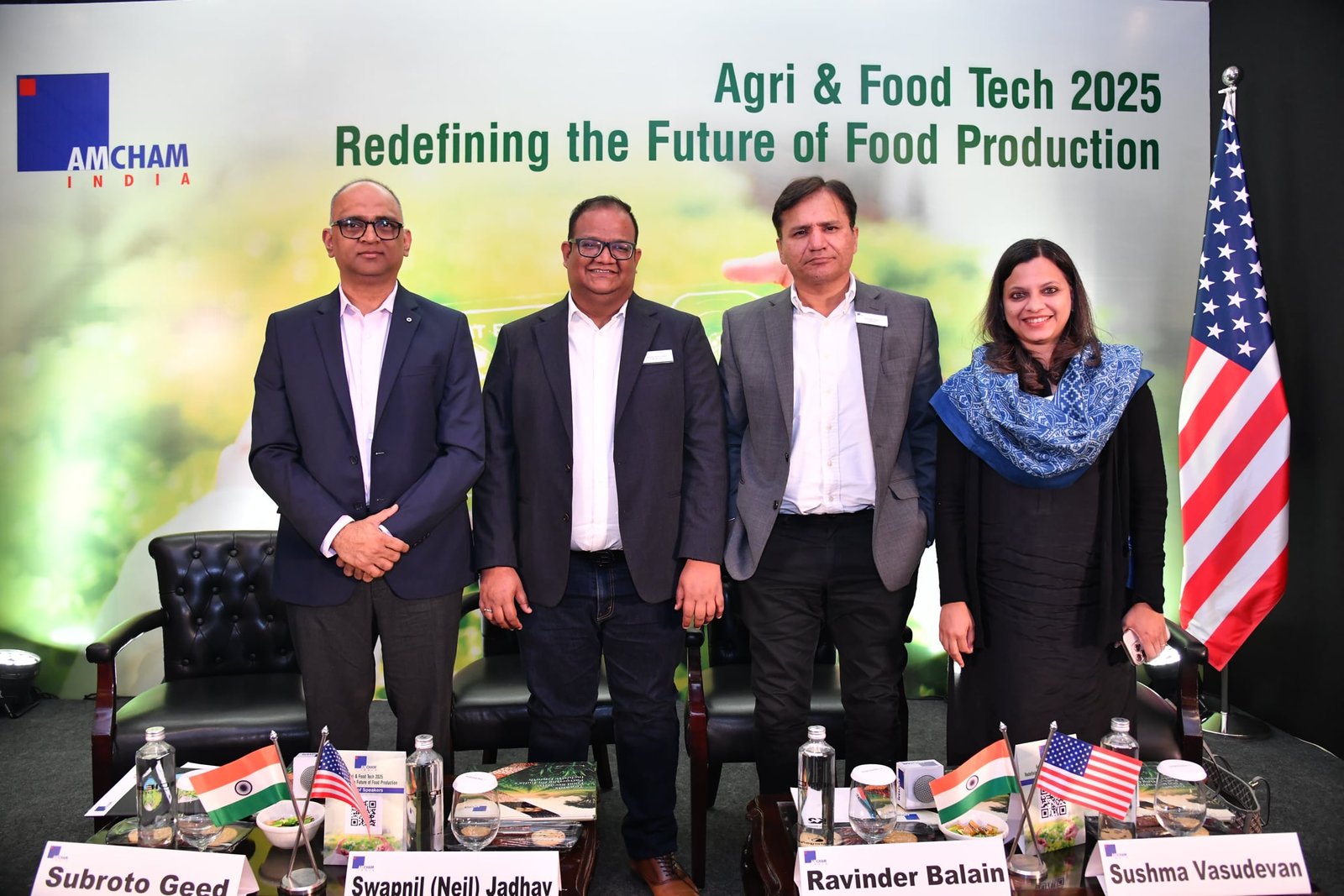
The first panel ‘From Data to Harvest: How Technology is Redefining Food Production’ featured Mr. Ravinder Balain, Co-Chairman – Agriculture & Food Processing Committee, AMCHAM, Country President, Cargill India and Managing Director, Cargill Animal Nutrition & Health, South Asia, Ms. Sushma Vasudevan, Managing Director and Partner, Boston Consulting Group, and Mr. Swapnil (Neil) Jadhav, CEO and Founder, Map My Crop with moderator by Mr. Subroto Geed, Chairman – Agriculture & Food Processing Committee, AMCHAM and President, South Asia, Corteva Agriscience. The panel centered their discussion around how technology is changing the way food is produced in India today. Key points included — technology as an enabler for productive, sustainable, inclusive food systems; focus on integrated approach across the value chain; importance of government-industry collaboration for food security; use of data analytics driving predictive insights for yield optimization; digital transformation; rising investment priorities in agri-tech and reduction in information asymmetry. Specific examples included precision agriculture using AI and satellite imagery for crop monitoring, real-time advisory services reaching farmers at scale, data-driven crop protection and pest management, mobile-first approach ensuring accessibility for smallholder farmers and integration of IoT sensors providing hyperlocal weather and soil data.
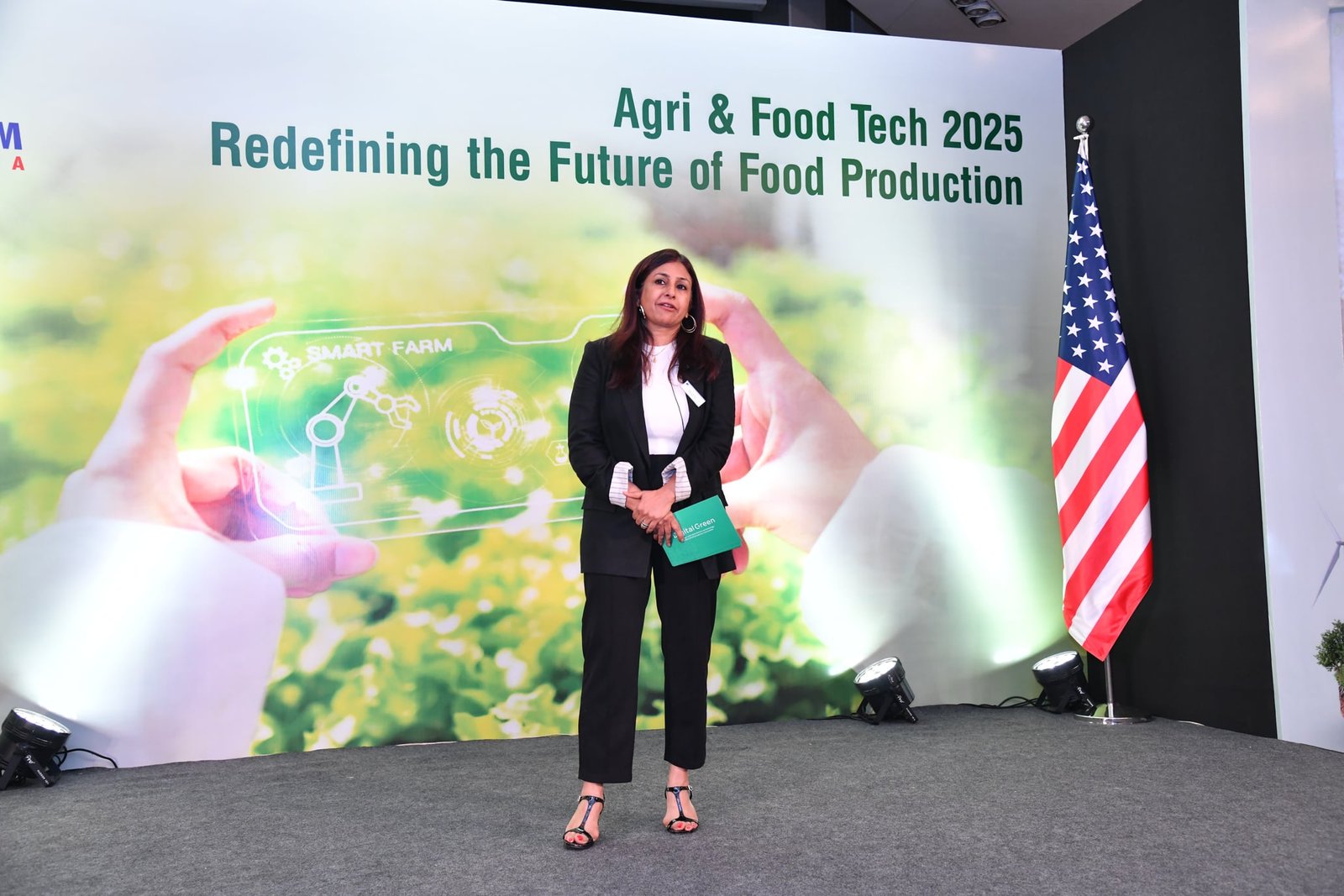
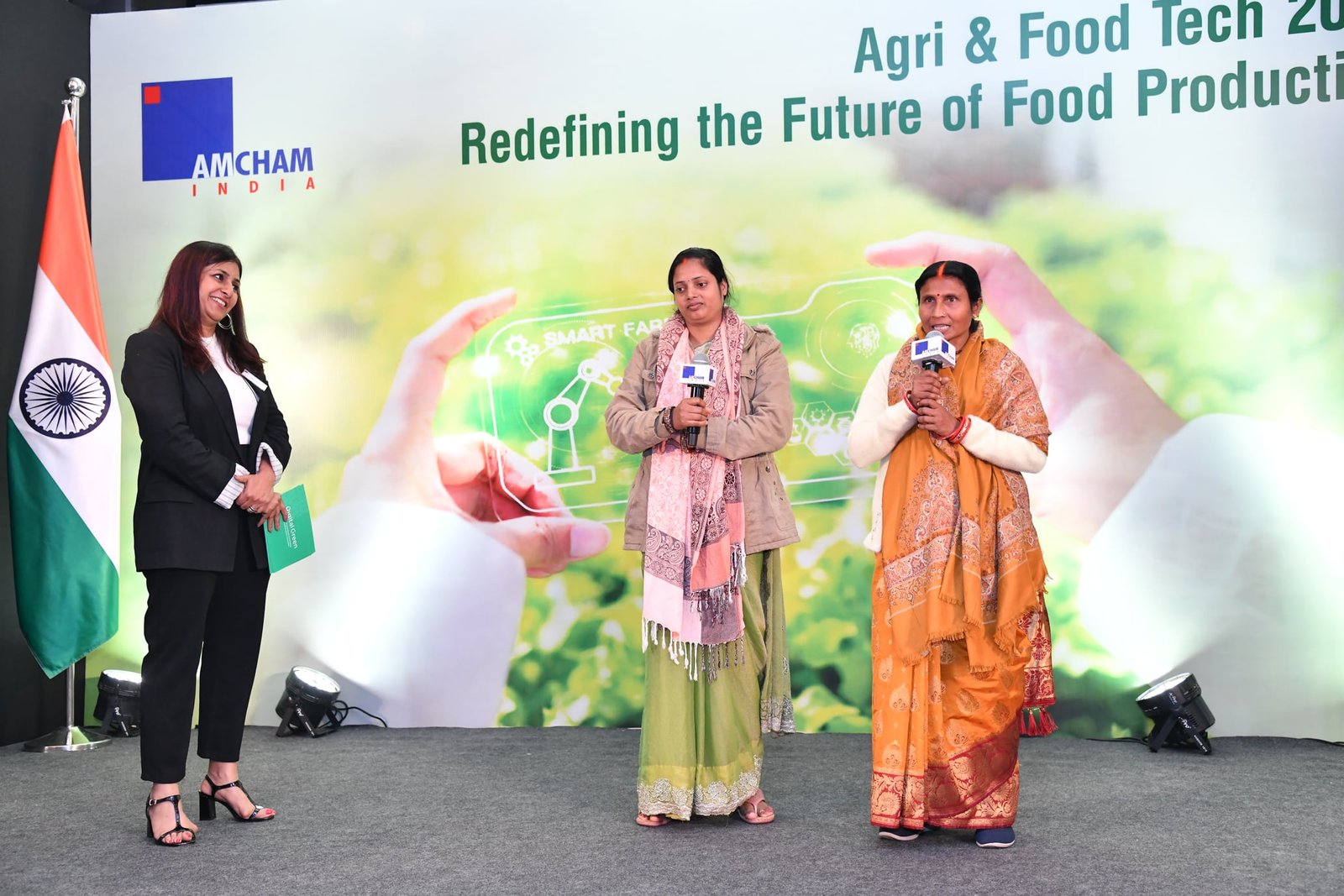
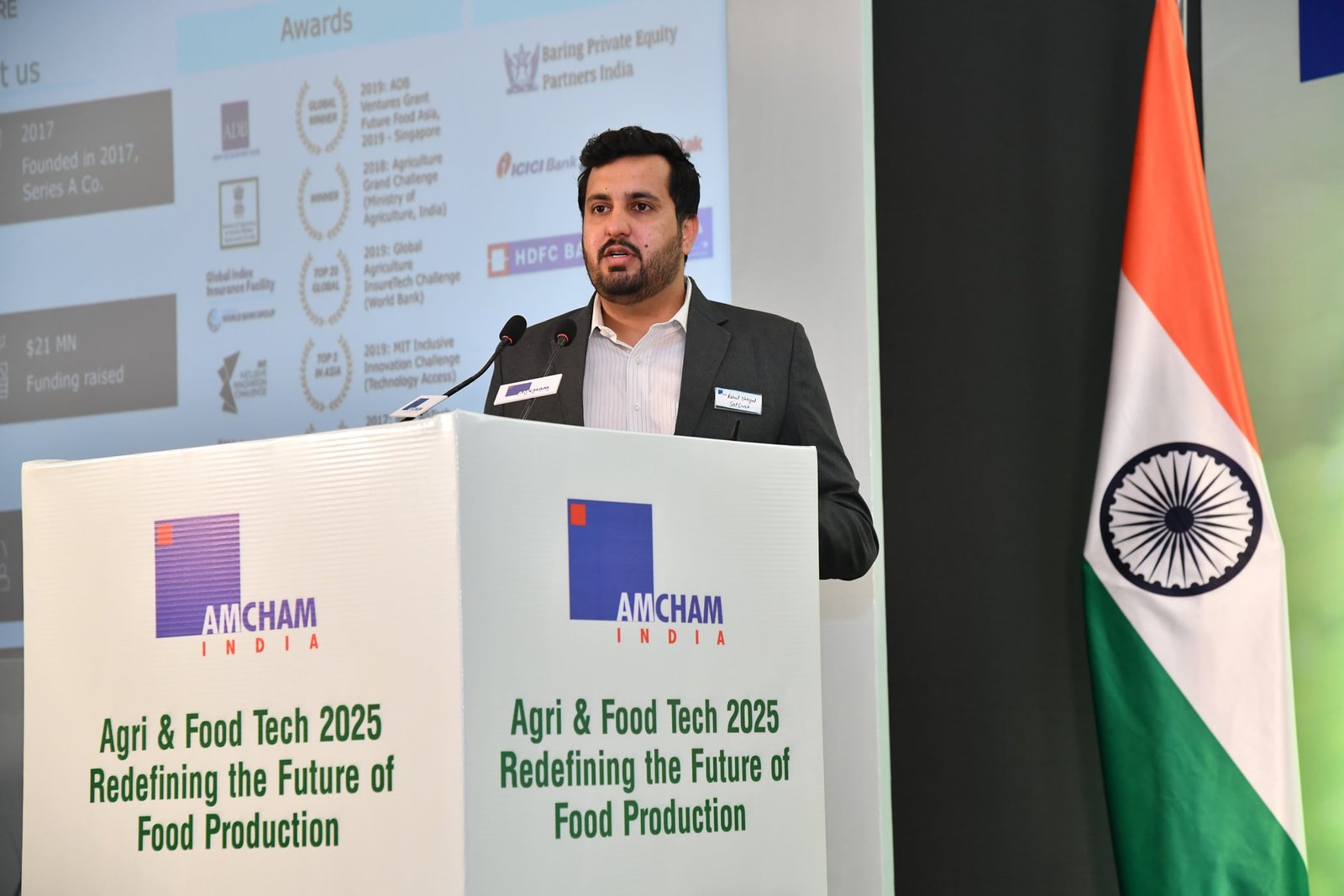
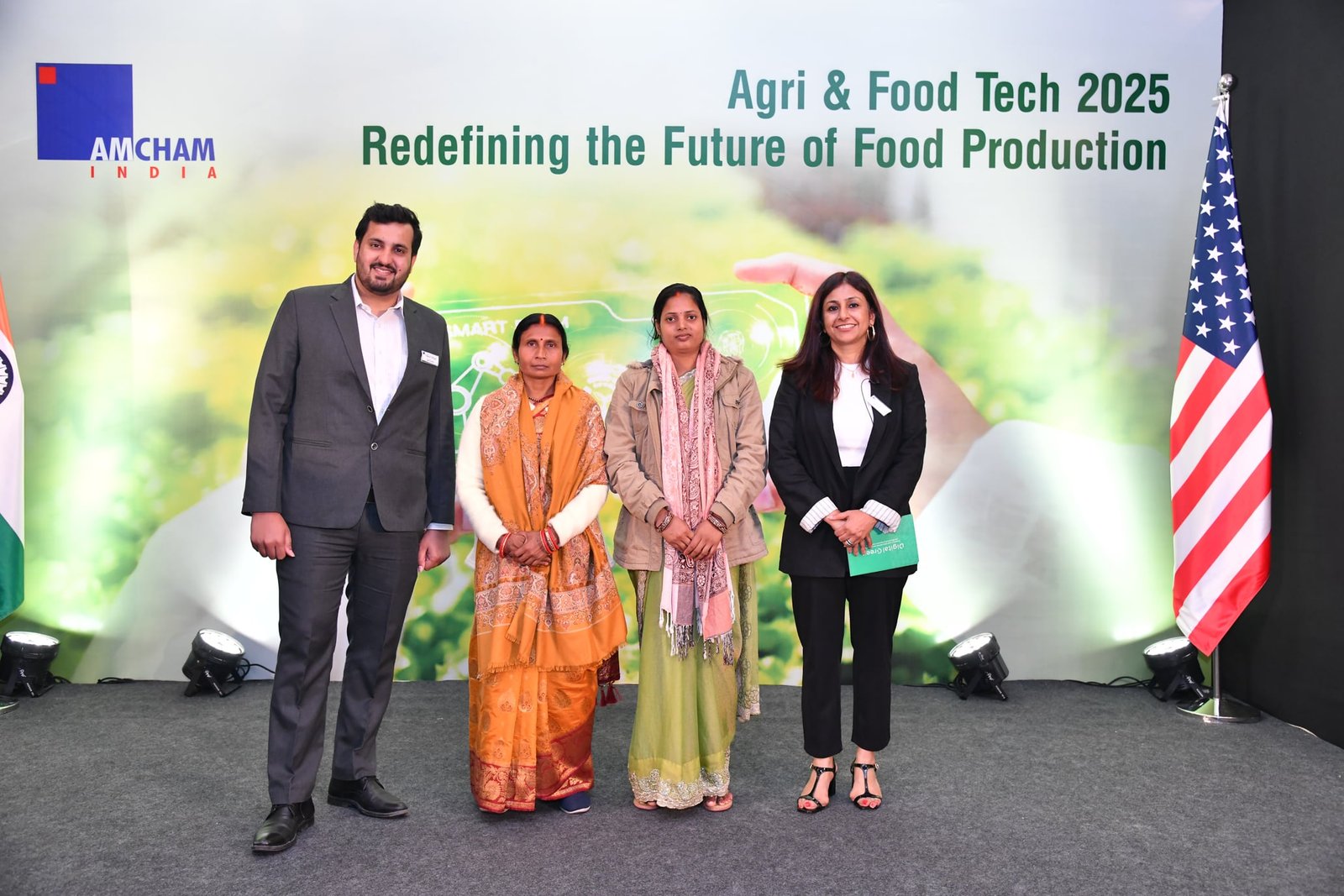
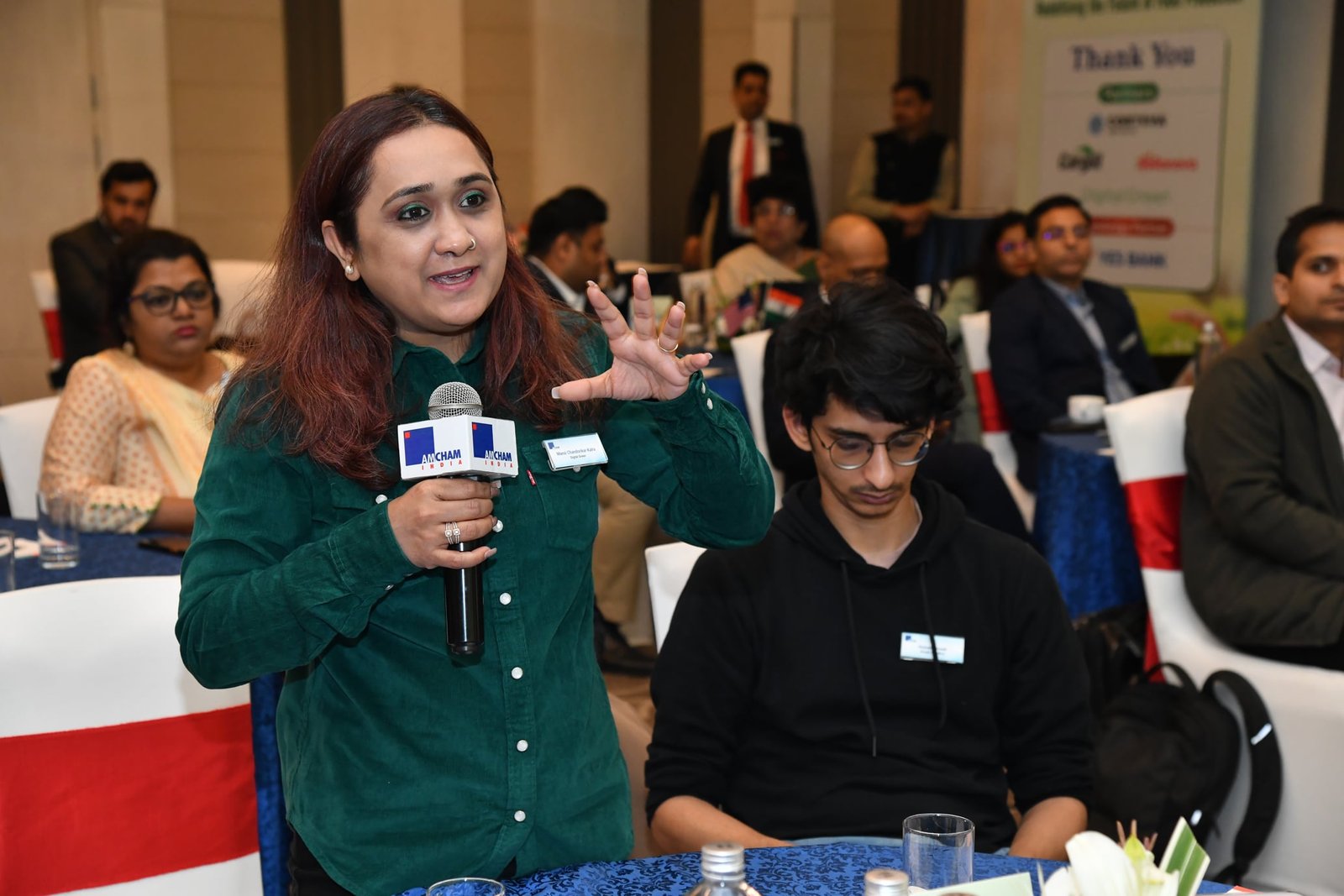
The second session ‘Innovation and Tech for Agriculture’ highlighted how AI, satellite data, and digital innovations are transforming agriculture — enabling better yields, hyperlocal advisory, climate-smart practices, and improved market access. It also underscored how real-time crop intelligence is strengthening food security and building a more resilient agricultural system. Ms. Nidhi Bhasin, CEO, Digital Green India, spoke about how FarmerChat, their AI-powered multi lingual and multimodal platform is redefining agricultural extension with real-time, context — aware support at scale, supporting farmers with guidance right when it is required. The session featured Ms. Anu Kumari and Ms. Lakshmi Devi, farmers from the state of Bihar. They shared their experience of using technology and digital tools and how its reshaping on ground decision making. They pointed out how a simple feature of voice recognition has empowered them and reduced dependency. It was followed by an insightful presentation by Mr. Rahul Dayal, Head – Strategy & Partnerships, SatSure on how satellite-powered intelligence is supporting farmers and agri-systems at scale.
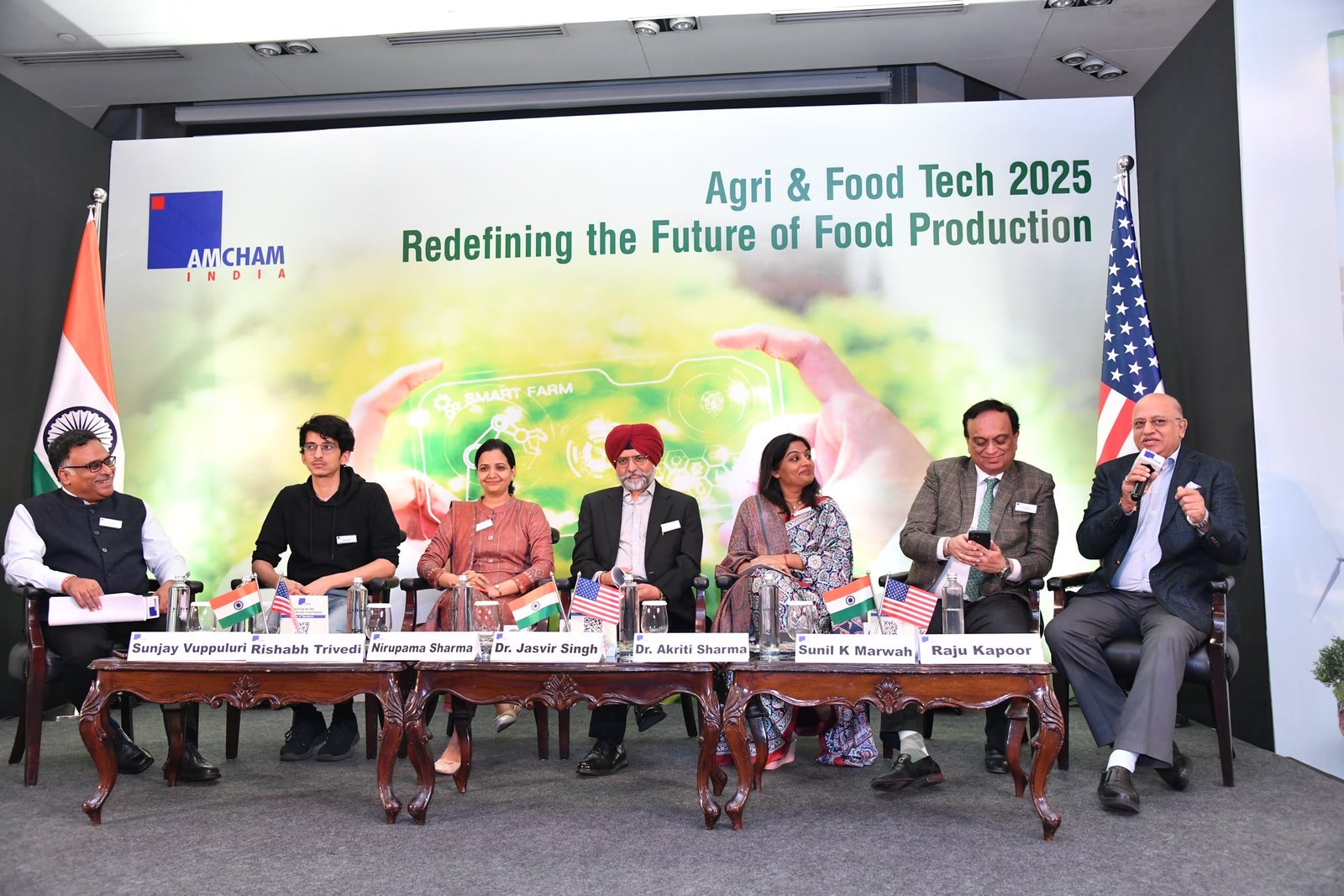
The session on ‘Trust Through Technology: Ensuring Food Integrity and Safety’ included Ms. Nirupama Sharma, Lead – Regulatory Policy Advocacy & Scientific Credibility, Amway India, Dr. Jasvir Singh, Director, Global Regulatory & Strategy Lead, Danisco India, Mr. Sunil K. Marwah, CEO, Food Industry Capacity and Skill Initiative (FICSI), Mr. Raju Kapoor, Director of External Affairs, FMC India, Mr. Rishabh Trivedi, Technical Program Manager, Google DeepMind and Dr. Akriti Sharma, CEO, Pusa Krishi, with moderation by Mr. Sunjay Vuppuluri, National Head, Food & Agribusiness Strategic Advisory & Research (FASAR), Yes Bank. The panel shared their views on how technology is empowering stakeholders across the value chain to deliver food systems that are transparent, accountable, and resilient. They addressed the existing challenges in maintaining food integrity and safety and how technology is defining their ability to address them. They also discussed the initiatives that need to be taken up by private sector and government to build a robust food safety ecosystem. Specific points included blockchain traceability, predictive food safety using AI, IoT monitoring of storage conditions, good agricultural practices ensuring safety at farm level, AI applications in automated quality assessment, and innovations blending traditional preservation wisdom with modern science. The session emphasized that consumers increasingly demand complete transparency about food origin, handling, and safety.
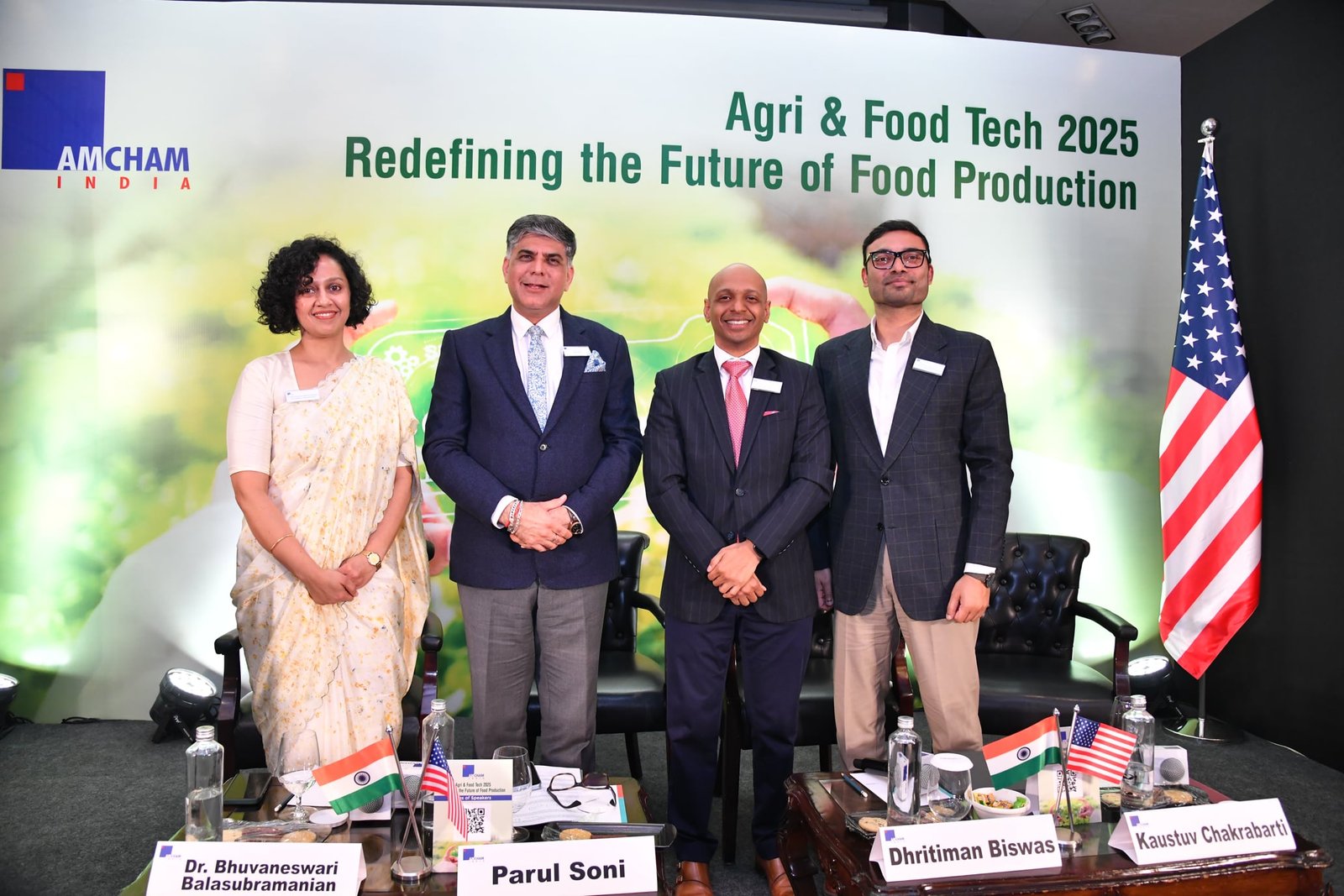
The last panel, ‘Catalyzing Tech Innovations in Agri and Food through Global Partnerships,’ featured Dr. Bhuvaneswari Balasubramanian, India Country Director, Global Alliance for Improved Nutrition, Mr. Parul Soni, Global Managing Partner, Thinkthrough Consulting (TTC), Founder & Secretary-General, ABWCI, Trustee & Settler, Ideas to Impact Foundation, Chairman Director, Praks Partners and Mr. Kaustuv Chakrabarti, Head of Private Sector Partnerships and South–South and Triangular Cooperation, United Nations World Food Programme (WFP) India with moderator Mr. Dhritiman Biswas, Senior Director, Government Relations – South Asia, Cargill. Speakers discussed three broad tracks — food and nutrition security, solving through partnerships, food wastage, and technology and digital infrastructure. Panelists deliberated upon global partnerships being essential for technology transfer, capacity building through international collaborations, nutrition-focused innovations, cross-border innovation ecosystems, regulatory harmonization for seamless technology adoption, food waste reduction through partnerships, ‘samaj, sarkar, bazaar’ (society, government, market) convergence model, India’s DPI (Aadhaar, ONDC, UPI) blueprint for global solutions, technology partnerships like robotic arms for warehouses, AI-powered nutrition scanning, proven solutions for scaling: route optimization (Anna Chakra), grain ATMs (Annapurti), co-development of agri-tech and food-tech solutions, focus on women-led value chains and climate-smart agriculture, and strategic deployment of ESG and CSR for maximum impact, amongst others.
The conference was supported by Corteva Agriscience, Cargill, Kellanova and Digital Green with Yes Bank as the knowledge partner.