Events
Past Events
Roundtable on Forensics & Risk Mitigation in the Age of AI
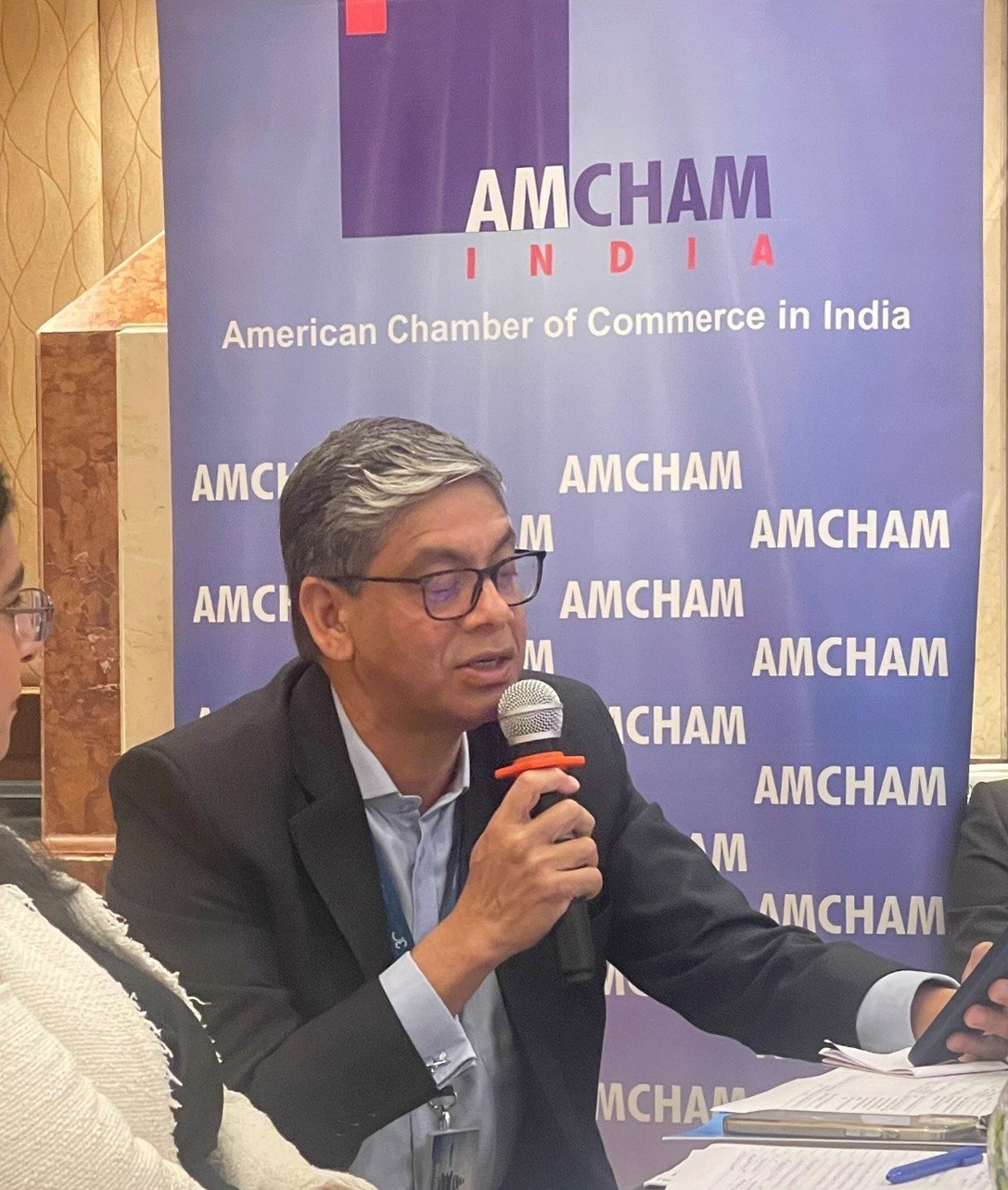
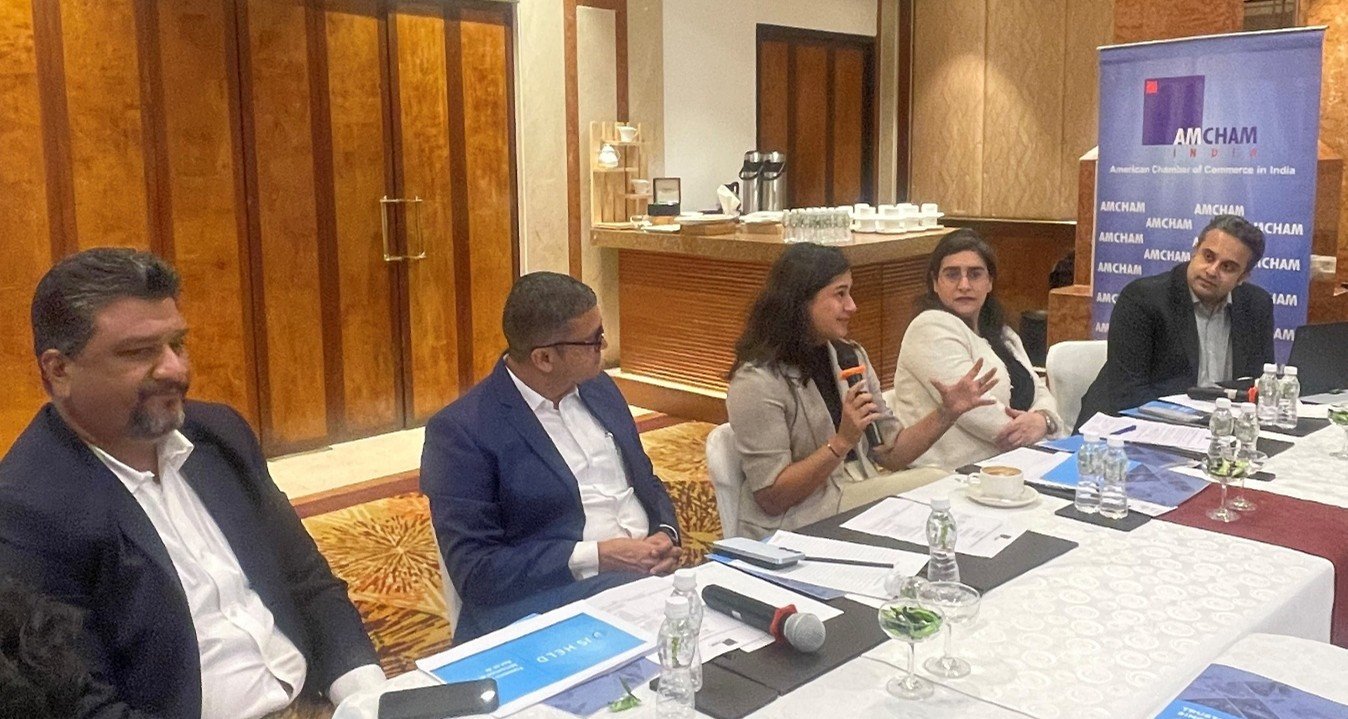
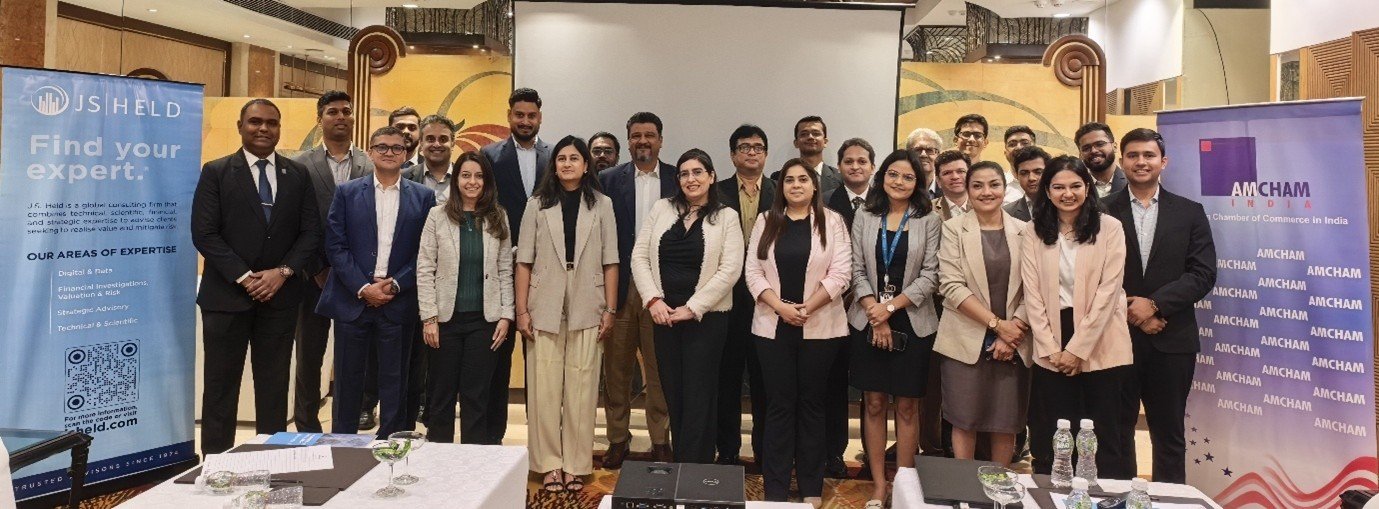
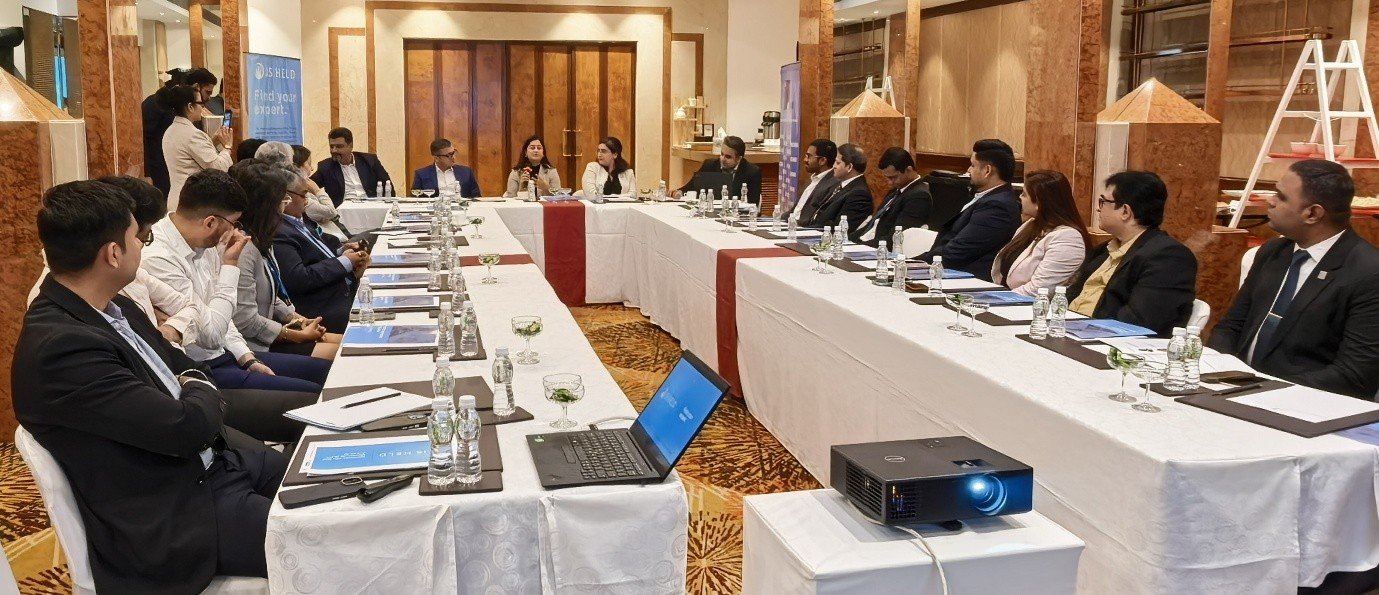
AMCHAM’s Western Region, in partnership with J.S. Held as knowledge partner, hosted an exclusive breakfast roundtable on ‘Forensics & Risk Mitigation in the Age of AI’ on November 18th at Marine Plaza, Mumbai, bringing together senior leaders from private equity, legal firms, forensic advisory practices, and U.S. multinationals for a deep discussion on how AI is transforming investigations, compliance, and risk management.
The session opened with welcome remarks by Avinash Gupta, Chairman – Western Region, AMCHAM and Managing Director, Dun & Bradstreet India, followed by speaker introductions by Ms. Rakhi Sikka, Regional Director – Western Region, AMCHAM. Mr. Aditya Dhand, Managing Director, J.S. Held India, set the context by highlighting how AI is reshaping forensic workflows, reducing turnaround time, improving accuracy, and uncovering patterns invisible to traditional methods. This was followed by a presentation by Mr. Mayank Sharma, Senior Director, J.S. Held, showcasing AI-powered forensic accounting, anomaly detection, NLP-based adverse media analysis, due diligence, technology-assisted document review, and global case studies, including kickback tracing, investigative due diligence identifying shell entities and hidden affiliations, predictive coding achieving 99.7% accuracy, and forensic accounting uncovering payroll manipulation and fund misappropriation.
The moderated panel discussion featured Ms. Chitra Rentala, Partner, Trilegal, Mr. Sachin Salian, Health Compliance Officer, Johnson & Johnson, Ms. Zenia Cassinath, Partner, Veritas Legal, and Mr. Aditya Dhand, moderated by Mr. Mayank Sharma. Panelists explored the general impact of AI — acknowledging AI’s ability to improve speed and coverage while introducing complexities around data integrity and explainability — as well as its role in fraud detection through anomaly recognition and communication mapping, risks such as bias, over-reliance, data privacy challenges, and proactive fraud-risk management through hybrid human-AI oversight models. The panel also examined competition and market practices, including monopoly concerns around control of models and datasets by large AI firms, and the risk of AI-driven price fixing and algorithmic collusion, emphasizing the need for strong antitrust and ethical guidelines. On workforce impact, speakers noted that AI is reshaping roles rather than replacing them, driving demand for hybrid skill sets combining domain expertise with AI literacy. During the audience interaction, participants raised questions on AI adoption for smaller firms, admissibility of AI-generated evidence, regulatory compliance across borders, and necessary guardrails for sensitive-sector investigations.
In his closing remarks, Mr. Aditya Dhand underscored three takeaways: 1) AI is now foundational to forensics and risk work; 2) human judgment remains indispensable; and 3) the future lies in hybrid AI-human models that ensure accuracy, efficiency, and ethical oversight. The roundtable concluded with strong engagement and a commitment to continue knowledge-sharing on emerging technologies and compliance excellence through future AMCHAM Western Region initiatives. The roundtable was sponsored by J.S. Held.