Events
Past Events
Session on Tax & Regulatory Shifts Reshaping How GCCs Operate in India
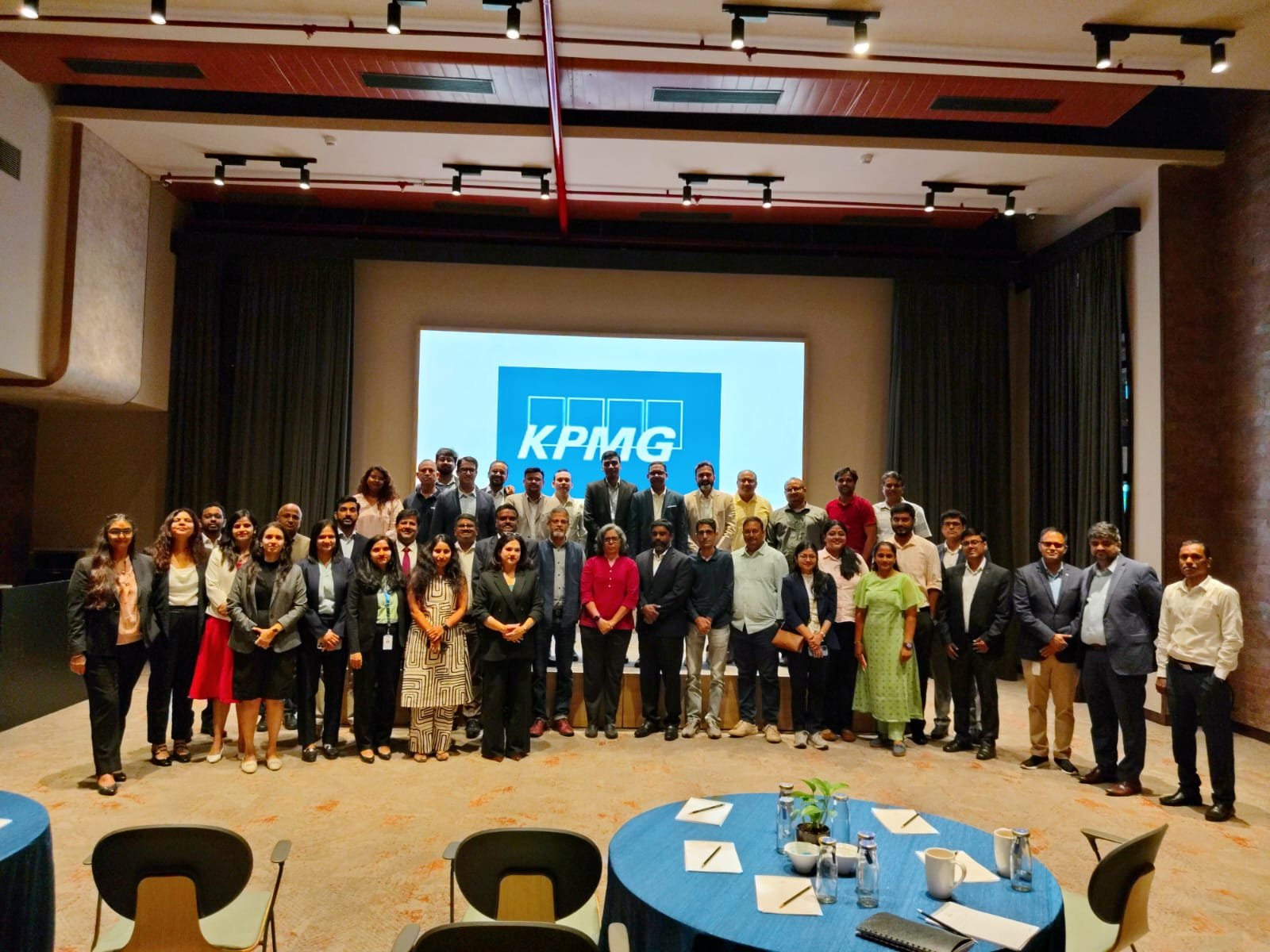
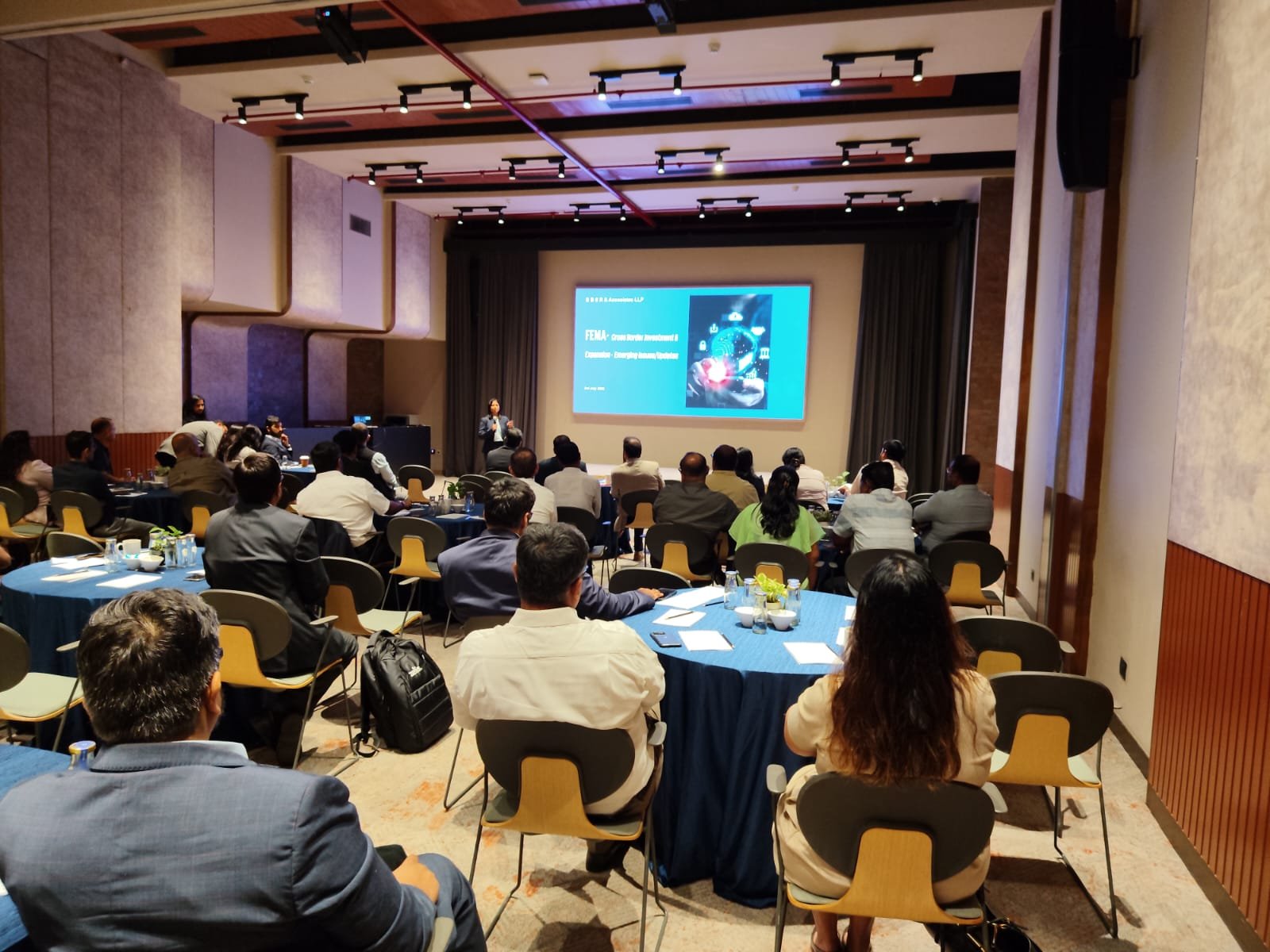
KPMG hosted an engaging session for AMCHAM’s Hyderabad Chapter members on July 3rd at Dunbar by Quorum, Hyderabad, themed ‘Tax & Regulatory Shifts Reshaping How GCCs Operate in India.’ The two-hour session brought together a distinguished audience of CFOs, finance leaders, Vice Presidents, Managing Directors, and senior executives from American global capability centers (GCCs) to discuss the evolving regulatory landscape and its implications for business strategy. The discussion highlighted that transfer pricing has evolved well beyond a tax compliance requirement to become a strategic business and governance consideration. As GCCs continue to expand into higher-value functions—including engineering, product development, artificial intelligence, analytics, and global operations—transfer pricing frameworks must accurately reflect the economic substance of these activities. Robust documentation, appropriate benchmarking, and alignment with global tax principles are becoming increasingly critical to managing risk while supporting business growth.
The session also examined the transformative impact of India’s Labour Codes, which represent far more than a consolidation of employment legislation. They are reshaping how GCCs design compensation structures, administer employee benefits, and manage their workforce. For American GCCs, the emphasis is shifting from navigating fragmented compliance requirements to building scalable, technology-enabled, and governance-driven employment practices that can support sustainable long-term growth in India. A key area of discussion was the evolving Foreign Exchange Management Act (FEMA) framework. While the Reserve Bank of India has progressively simplified several FEMA regulations, there is now a significantly greater emphasis on documentation, commercial rationale, and governance for cross-border transactions. American GCCs are expected to maintain comprehensive documentation supporting inter-company arrangements, pricing methodologies, and fund flows. The regulatory expectation has shifted beyond transactional reporting to demonstrating that cross-border arrangements are commercially robust, transparent, and supported by genuine economic substance.
The conversation also explored the increasing regulatory focus on secondment arrangements. Once viewed primarily as a talent mobility mechanism, secondments are now considered an important governance issue requiring alignment across legal structuring, commercial substance, tax treatment, FEMA compliance, transfer pricing, and employment practices. Well-designed secondment frameworks can help organizations facilitate the seamless movement of global talent into India while significantly reducing regulatory and tax risks. The overarching message from the session was clear: the regulatory environment for GCCs is evolving not through greater restrictions, but through heightened expectations around governance, transparency, and operational discipline. Organizations that proactively align their labour practices, cross-border payment structures, transfer pricing policies, and secondment frameworks will be better positioned to scale their India operations with confidence while effectively managing regulatory and tax risks.