Events
Past Events
4th Healthcare Summit: Viksit Bharat 2047: Access, Affordability & AI
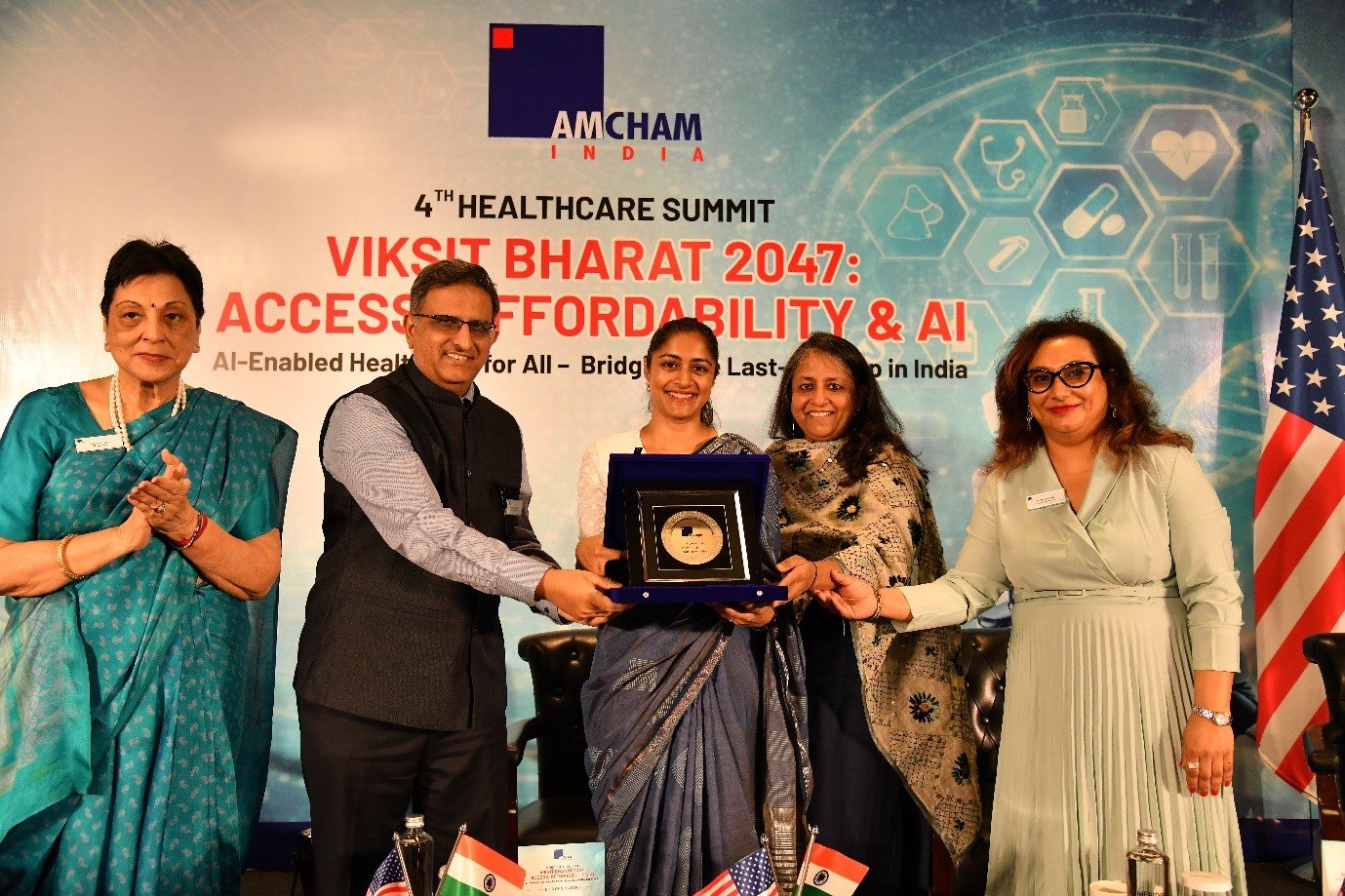
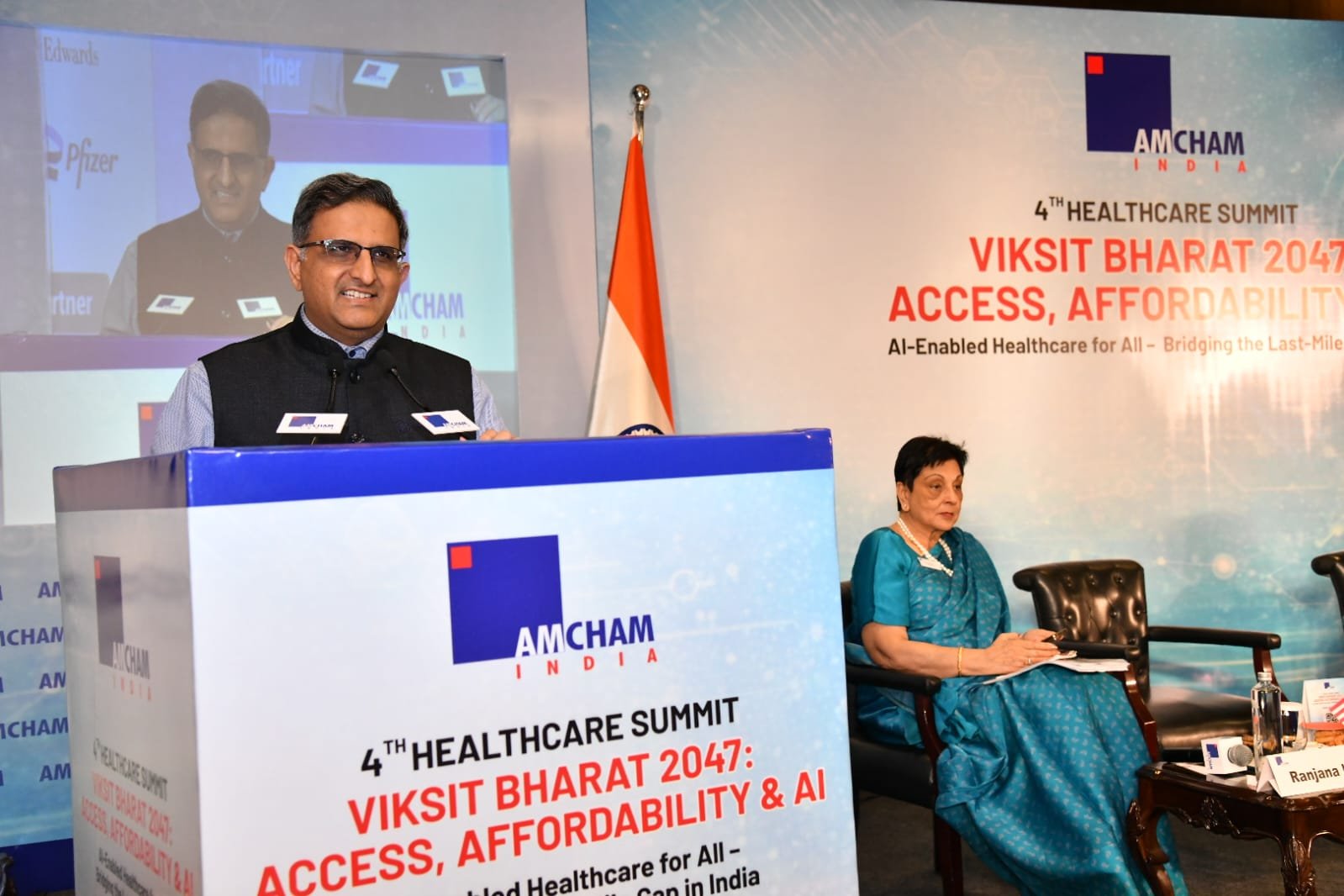
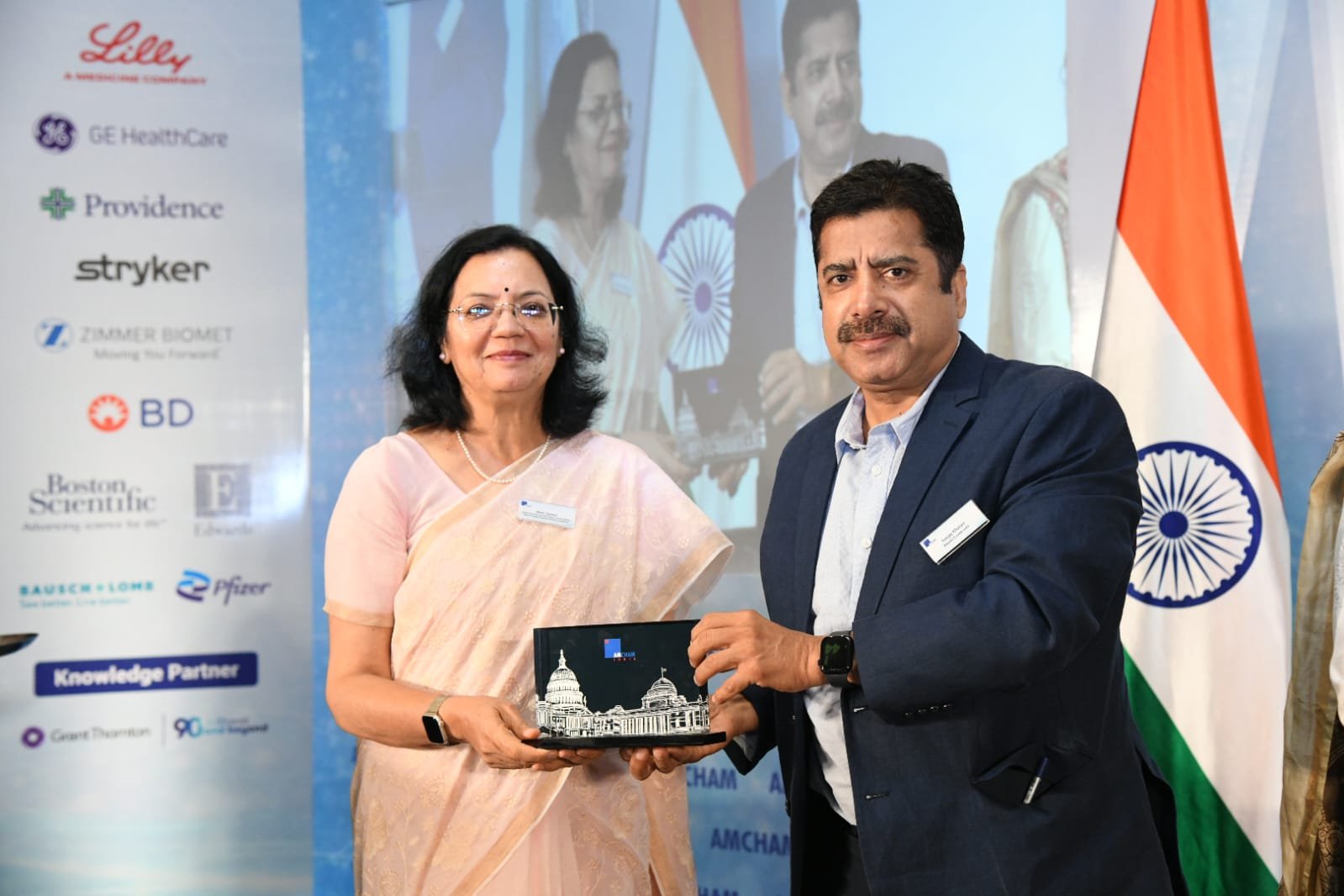
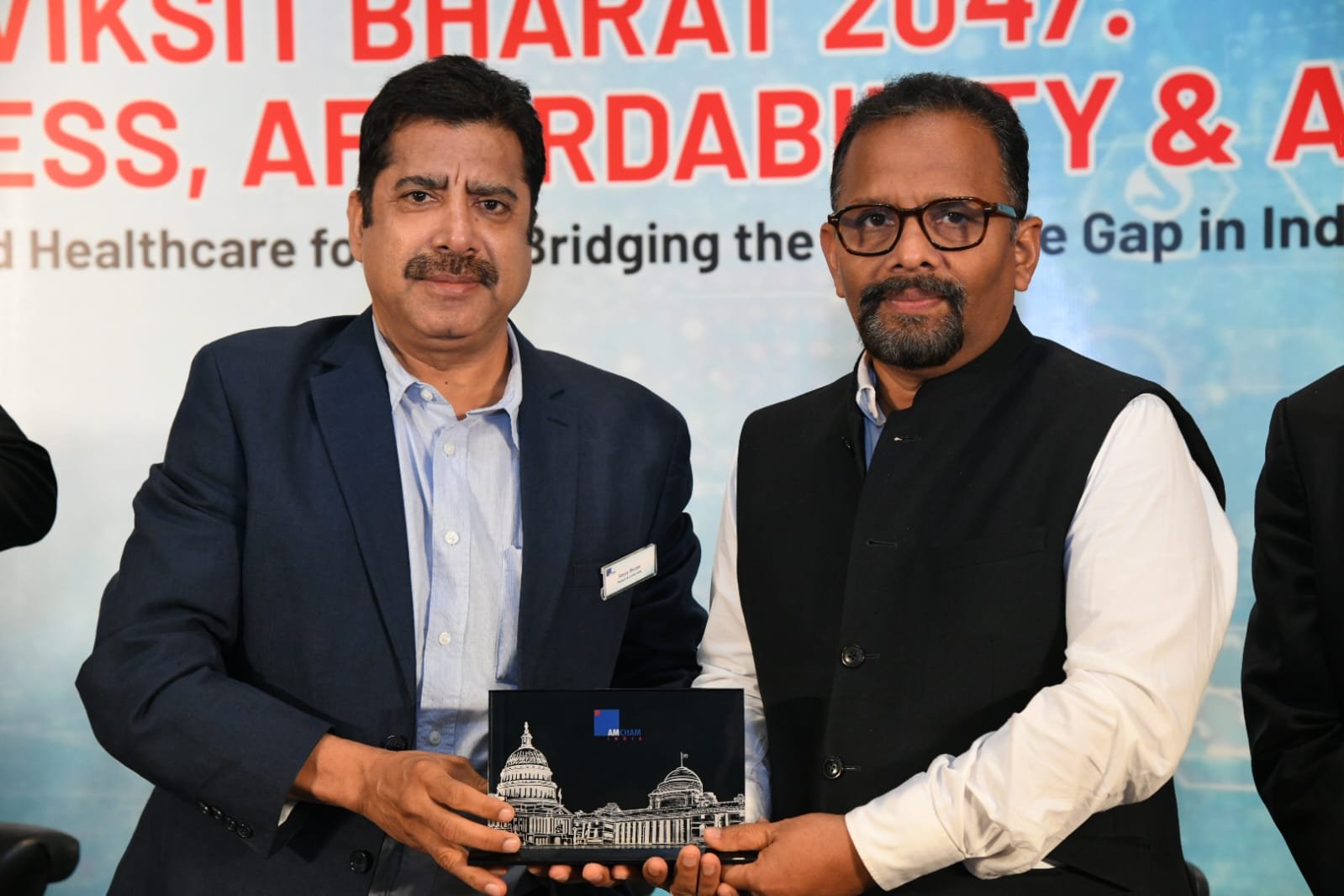
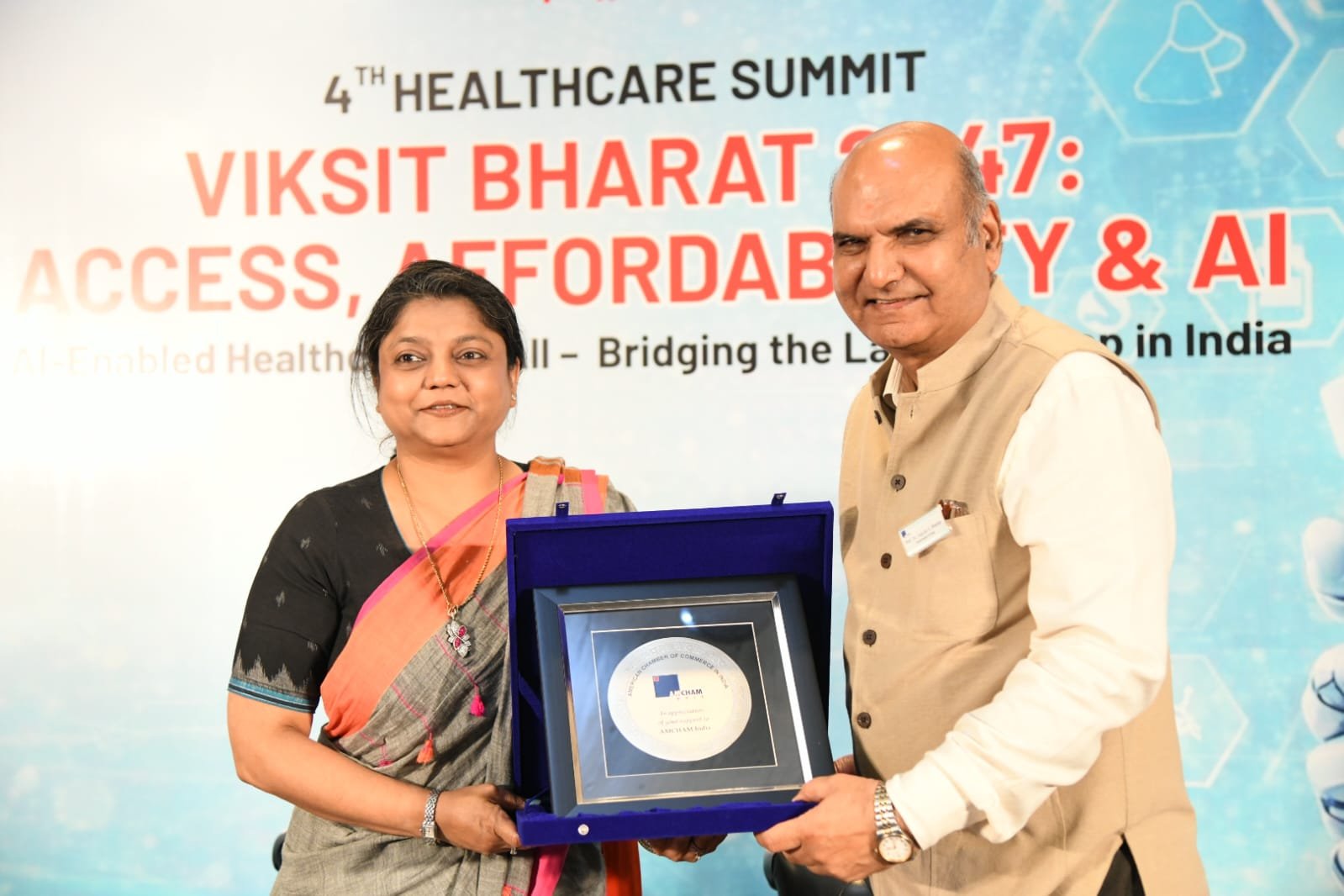
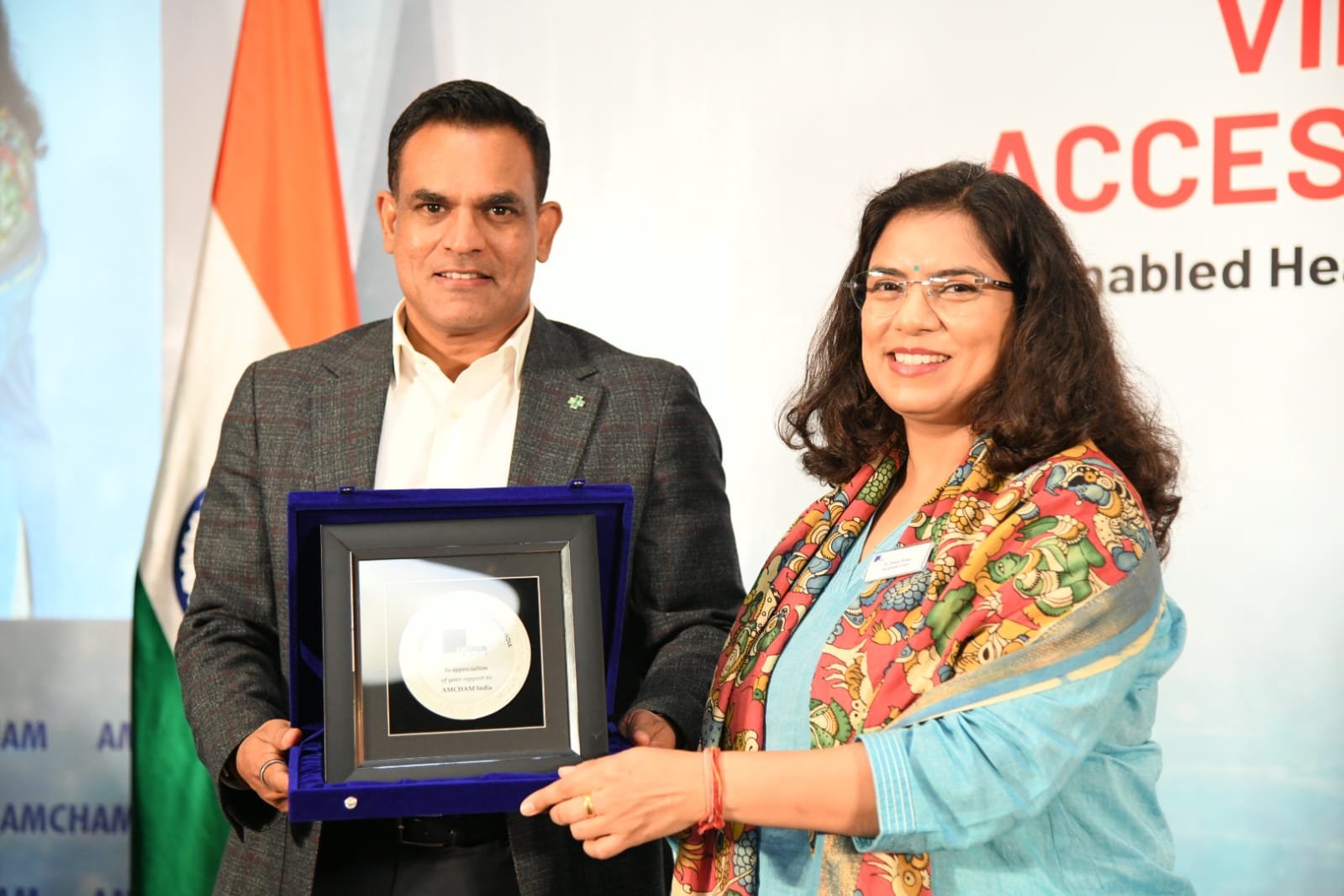
AMCHAM India organized the 4th Healthcare Summit themed ‘Access, Affordability, & AI’ focused on AI enabled healthcare for all – bridging the last-mile gap in India on April 30th at the Le Meridien, New Delhi. In the inaugural session, Ms. Ranjana Khanna, Director General CEO, AMCHAM, warmly welcomed participants. Mr. Chaitanya Sarawate, Vice Chairman, AMCHAM, Chairman – Medical Technology Committee, AMCHAM and President & CEO, GE Healthcare South Asia, set the scene by accentuating the critical role of innovation in building a resilient healthcare ecosystem. He highlighted the persistent challenge of unequal healthcare access, noting that while life expectancy in India continues to improve, significant disparities remain between rural and urban populations, with rural regions still underserved. He emphasized the transformative potential of digital infrastructure in enabling AI-driven healthcare solutions and called for accelerated development of cost-effective products to ease the financial burden on patients. Dr. Yasha Pandit, Partner, Grant Thornton Bharat, provided a brief overview of the knowledge report released later in the program and emphasized the vision of leveraging AI-enabled healthcare to benefit all citizens, with a strong focus on improving access, affordability, and last-mile delivery. She noted the significant scale and impact of initiatives such as PMJAY and the Ayushman Arogya framework, along with the growing adoption of ABHA and digital health records.
In her special address, Dr. Krithika Rangarajan, Associate Professor, Department of Oncology Radiology, AIIMS, Government of India, emphasized that technology delivers value only when aligned with patient outcomes, with innovation firmly anchored in quality care. She underscored that AI should augment, not replace, doctors, keeping human judgment at the core of healthcare even as AI-driven wellness tools gain traction. She also highlighted key challenges to adoption, including workflow inefficiencies, trust deficits, and slow system uptake, alongside the need for cultural grounding such as addressing language barriers and patient behavior. Importantly, she called for a sharper focus on ensuring that technological solutions are aligned with real, on-ground healthcare gaps. Ms. Meenakshi Nevatia, National Executive Board Member, AMCHAM, Chairperson – Pharmaceuticals Committee, AMCHAM, and Country President & Managing Director, Pfizer India, in her concluding remarks, underscored that healthcare is not only a critical social priority but also a key driver of economic growth and national development, contributing significantly to productivity, job creation, and long-term economic resilience.
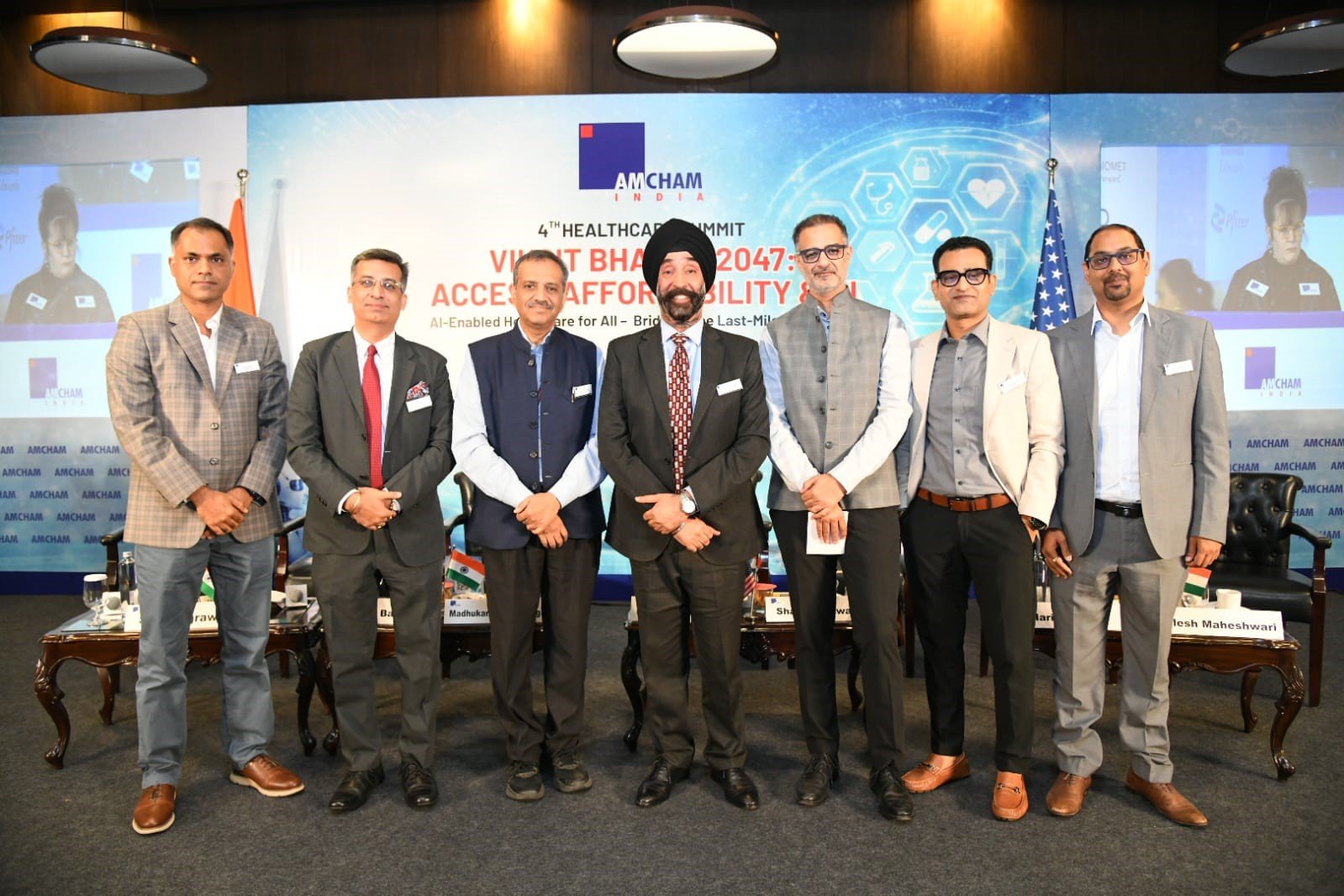
The first session ‘AI in Healthcare: From Smart Diagnostics to Next-Generation Therapies,’ began with a special address from Mr. Madhukar Kumar Bhagat, Joint Secretary (e-Health), Ministry of Health & Family Welfare, Government of India, who emphasized that digital health must deliver care seamlessly—where, when, and how citizens need it, and highlighted the role of technology in enhancing efficiency and expanding the reach of healthcare services. He underscored that all healthcare technologies should be evaluated across four critical dimensions—availability, accessibility, affordability, and quality—stating that these pillars are fundamental to building an effective and inclusive healthcare system. The panel discussion was moderated by Mr. Mandeep Singh Kumar, National Executive Board Member, AMCHAM and Vice President & MD, India, Medtronic India with Mr. Sumit Agrawal, Director R&D and Site Leader, Boston Scientific, Mr. Nilesh Maheshwari, Partner, Grant Thornton Bharat, Mr. Sharad Goswami, Senior Director, Global Policy & Public Affairs, Pfizer Limited, Mr. Hari Atmakuri, Group Vice President – Data & AI, Providence, and Mr. Ajay Bagga, Managing Director India & Country Head – South Asia, Zimmer India (P) Ltd. The session highlighted the transformative role of AI across the healthcare continuum, spanning delivery, diagnostics, treatment planning, and patient monitoring, while also shaping the future of long-term medical innovation in India.
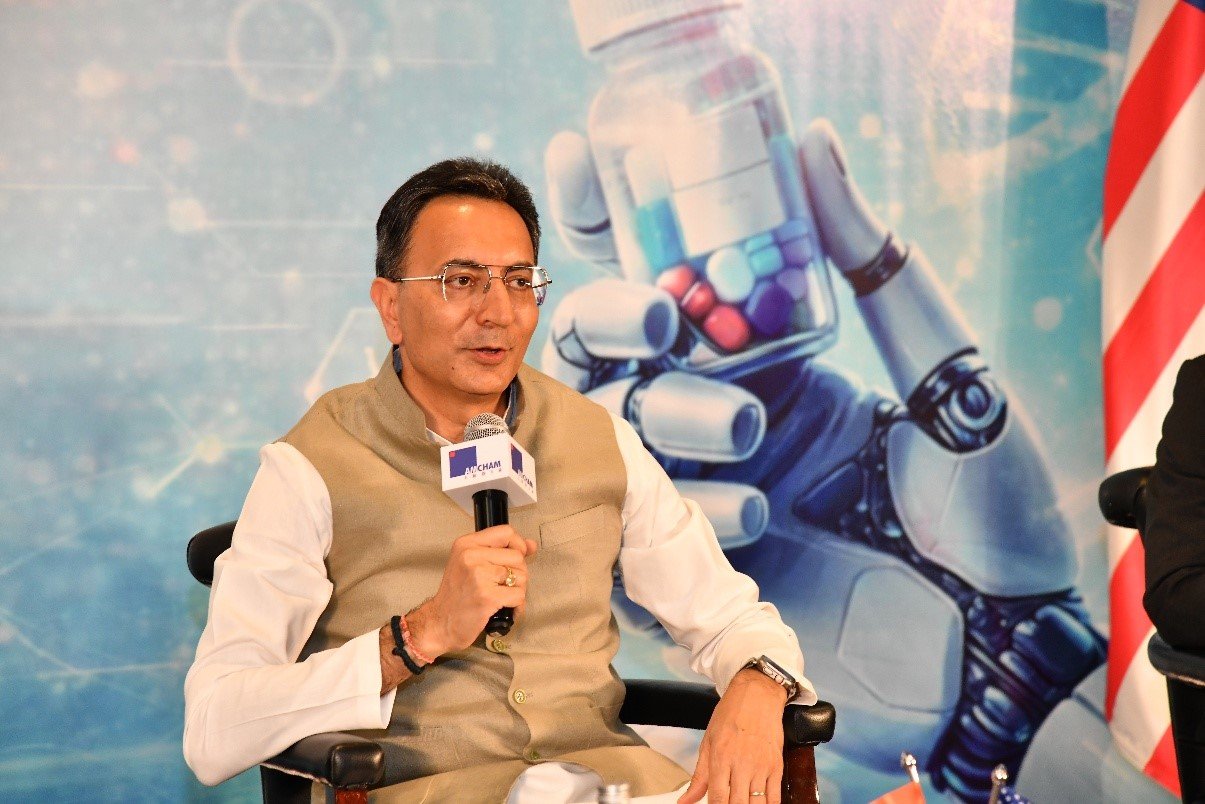
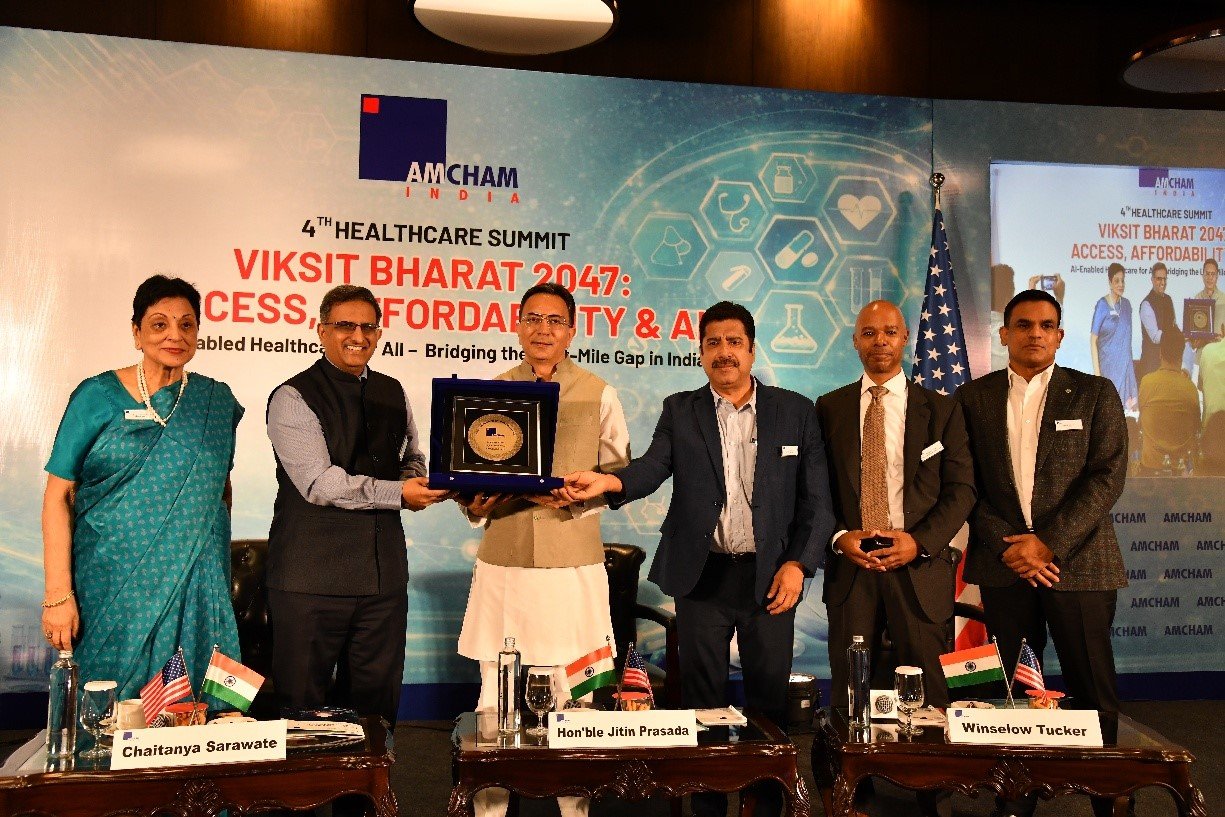
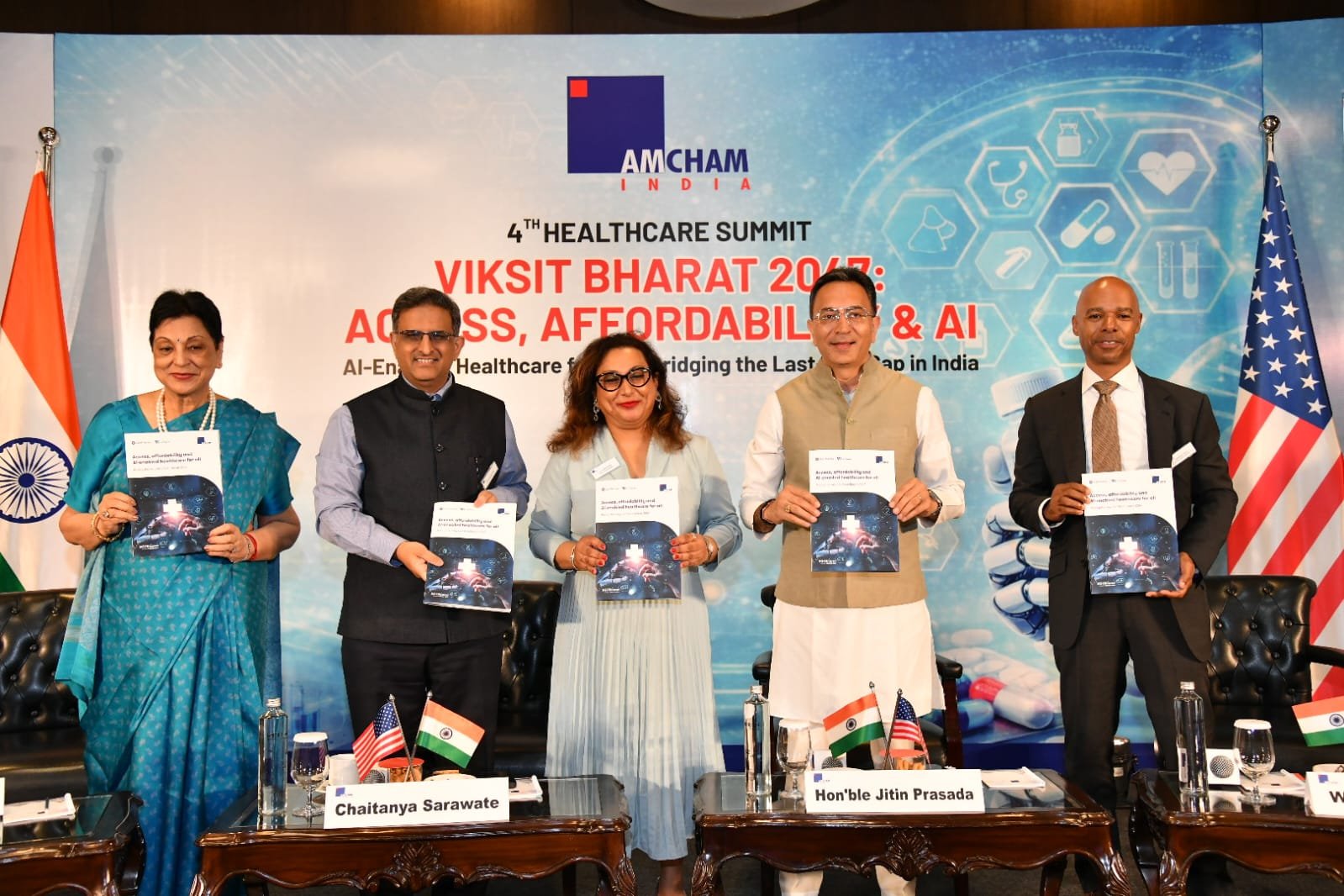
The special session began with Ms. Ranjana Khanna, Director General CEO, AMCHAM, followed by opening remarks by Mr. Winselow Tucker, President and General Manager, Eli Lilly and Company (India) Pvt. Ltd. Chief guest, Shri Jitin Prasada, Hon’ble Union Minister of State for Commerce & Industry and Electronics & Information Technology, Government of India, in his keynote address, underscored that healthcare is a critical driver of societal well-being, directly impacting lives at scale. He highlighted India’s core challenge of balancing scale, affordability, and access, noting that these—along with the integration of AI—will shape the future of healthcare in the country. Reinforcing the Prime Minister’s vision, he emphasized the need to democratize healthcare, ensuring it reaches beyond metro cities and is not limited to urban or premium hospital settings. AMCHAM’s knowledge report, developed in collaboration with Grant Thornton Bharat, ‘Access, Affordability and AI-enabled Healthcare for All’ was released during the session. Mr. Chaitanya Sarawate, Vice Chairman, AMCHAM, Chairman – Medical Technology Committee, AMCHAM and President & CEO, GE HealthCare South Asia gave the concluding remarks.
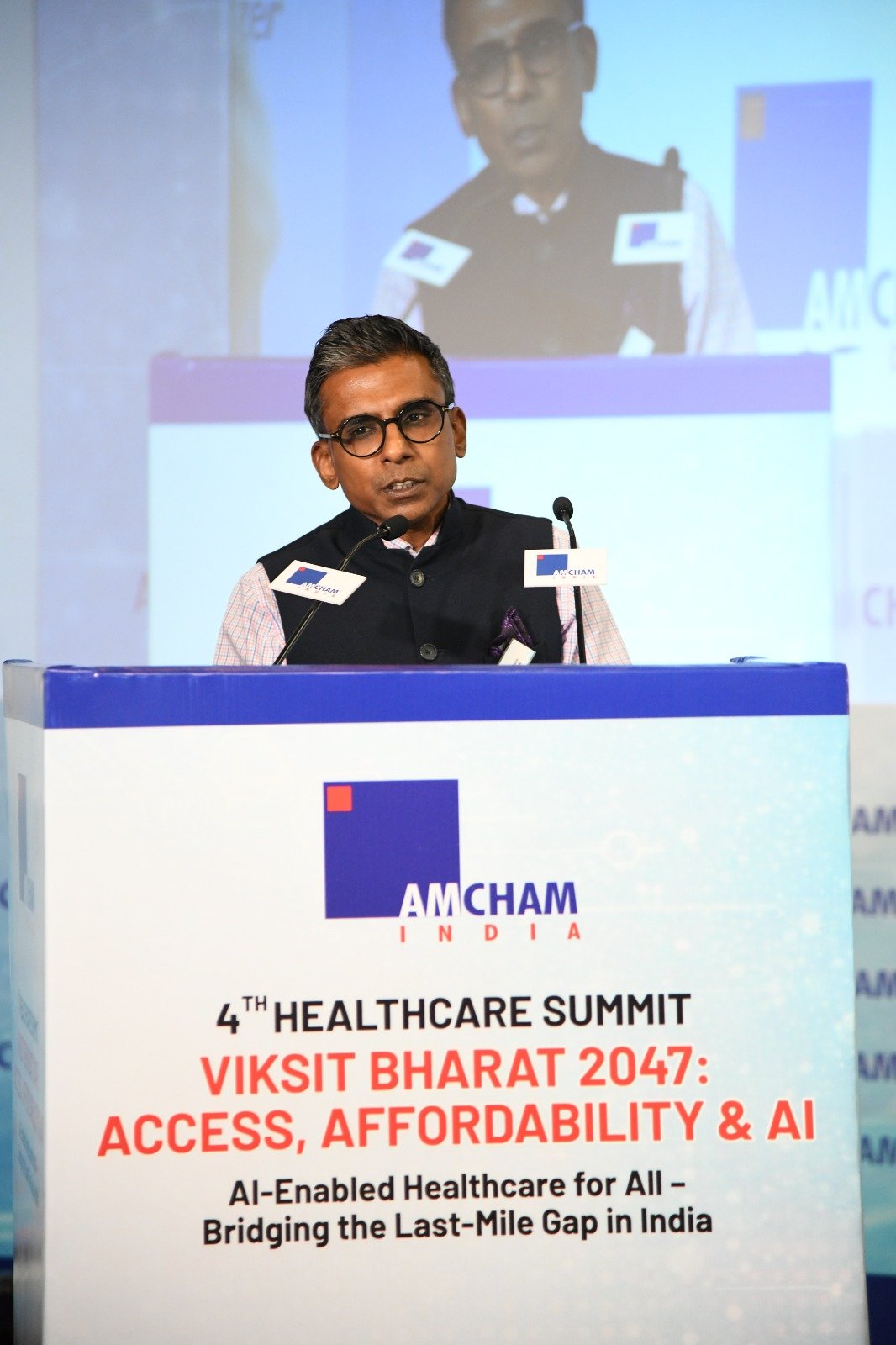
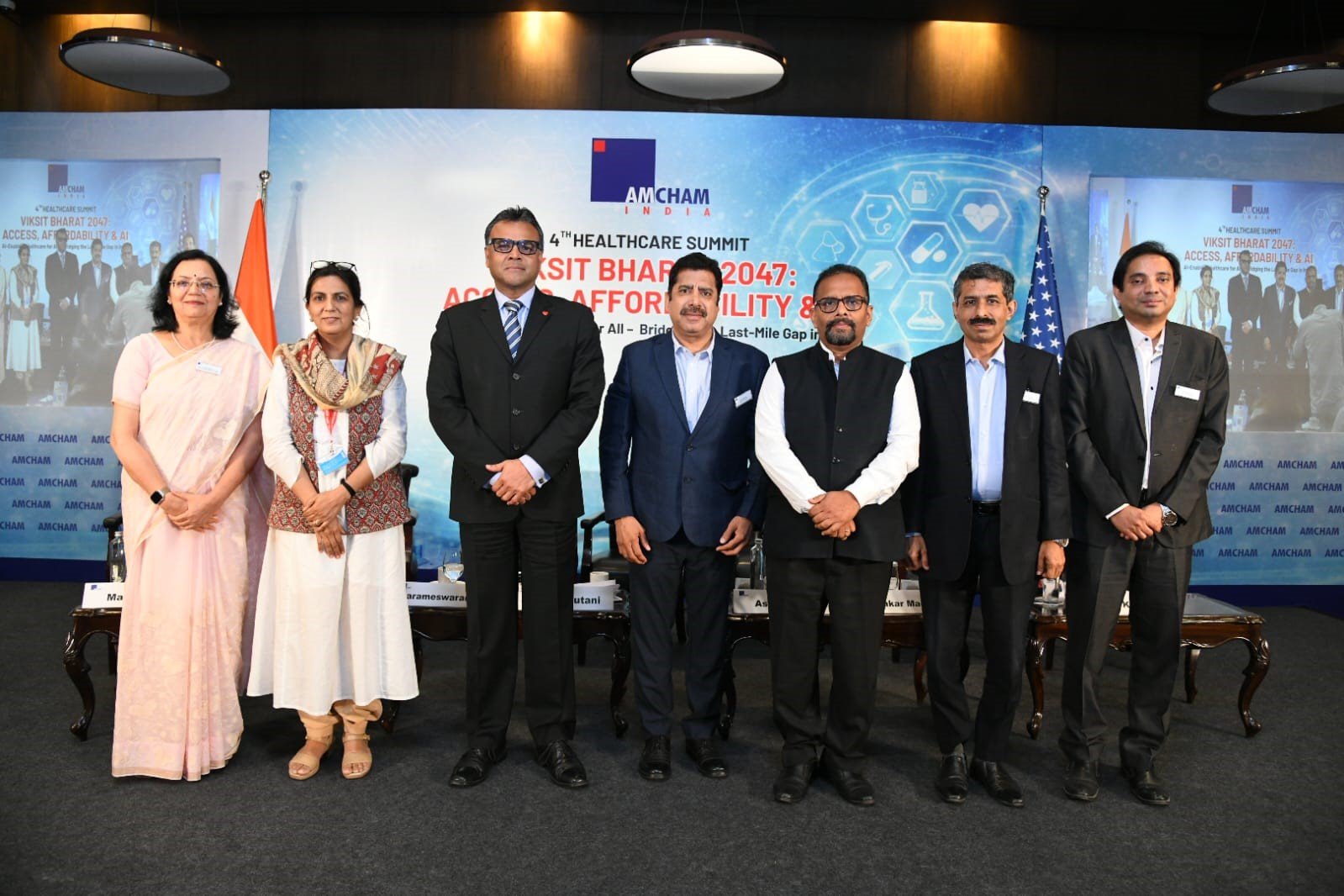
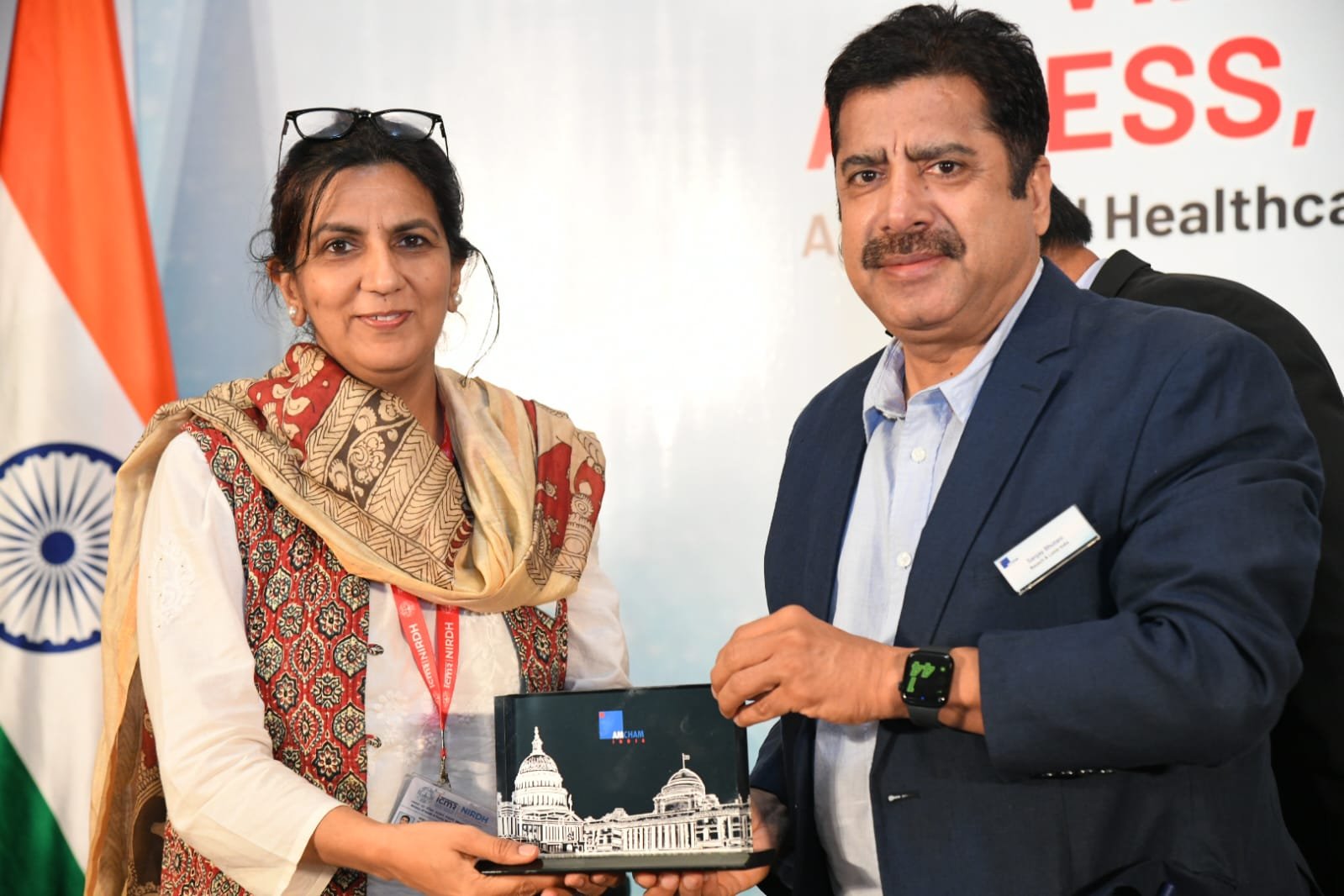
The second session, ‘Best Practices in Healthcare Innovation: Enabling Regulatory Pathways for MedTech and Pharma,’ featured a special address by Mr. Aseem Sahu, Deputy Drugs Controller (India), Central Drugs Standard Control Organization (CDSCO), Directorate General of Health Services, Ministry of Health & Family Welfare, Government of India. He emphasized that healthcare innovation must go beyond new technologies to deliver tangible patient outcomes and real-world impact. He highlighted the critical role of a strong and efficient regulatory system in ensuring both safety and innovation, stressing that regulatory pathways must be streamlined to enable faster adoption without compromising patient safety. The panel discussion was moderated by Mr. Sanjay Bhutani, Honorary Secretary & Treasurer, AMCHAM and Managing Director – India & SAARC, Bausch & Lomb India with expert speakers Dr. Mona Duggal, Director & Scientist G, ICMR – NIRDHDS, Ms. Malti Jaswal, Health Insurance and UHC Expert, Former Advisor NHA, Founder, Inspiring Seniors Foundations, Mr. Sudhakar Mairpady, Director, Regulatory & Government Affairs, South Asia, Becton and Dickinson India Pvt. Ltd., Mr. Venkata Krishna, Senior Director – Technology, Carelon Global Solutions, and Mr. Parameswaran Nair, Country Leader (India & SEA), Edwards Lifesciences (India) Pvt. Ltd. The session highlighted that healthcare innovation must be guided by clear vision, not just technological advancement. Speakers emphasized the critical role of strong regulatory authorities in ensuring that innovation progresses with the right balance between speed and patient safety and the importance of adhering to global best practices in product development while aligning innovation with India’s unmet medical needs.
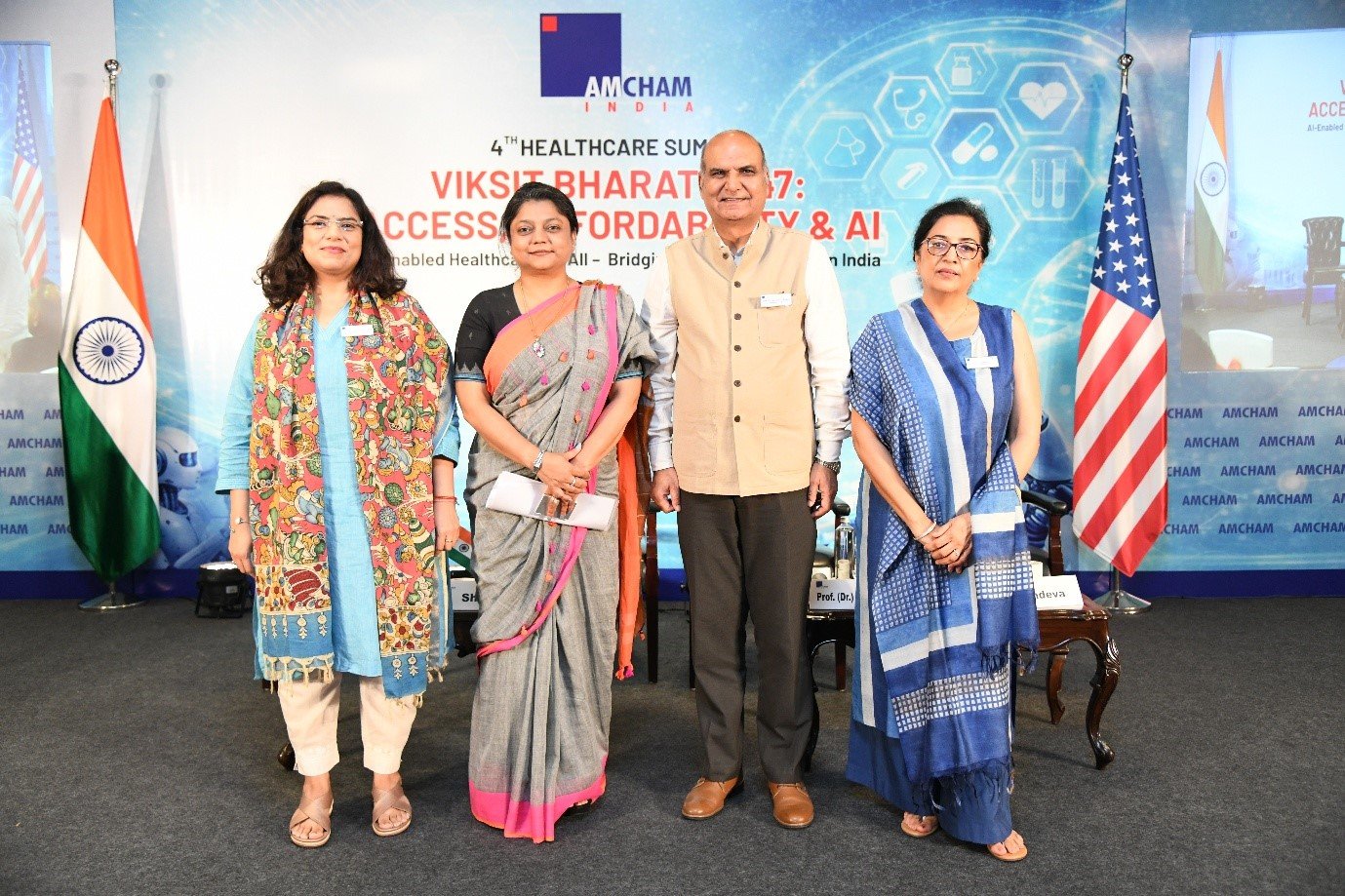
The third session ‘From Awareness to Action: Strengthening Mental Resilience Across the Care Continuum’ began with a special address by Prof. (Dr.) Rajinder K. Dhamija, Chair National Task Force on Brain Health Professor of Neurology & Director, Institute of Human Behaviour and Allied Sciences (IHBAS), Government of India. This panel discussion was moderated by Ms. Shilpa Gupta, Associate Vice President – Corporate Affairs, Eli Lilly and Company (India) Pvt. Ltd. With esteemed speakers Dr. Sonali Rawal, Health Policy Specialist – Consultant Grade II, NITI Aayog, Government of India, and Ms. Renu Sachdeva, Founding Member, Psychotherapist and Master Mentor, Dementia India Alliance. The discussion highlighted how integrated innovation across diagnosis, treatment, and care delivery can enable scalable and accessible brain‑health solutions, with emphasis on policy and system enablers that promote affordability, access, quality, and coordination across mental‑health services. Early and accurate detection, including pre‑symptomatic identification through AI‑enabled diagnostics and advanced imaging, integrated care pathways that connect diagnosis, treatment, long‑term disease management, and caregiver support, and data‑driven insights to support personalized treatment approaches and better outcomes, were addressed.
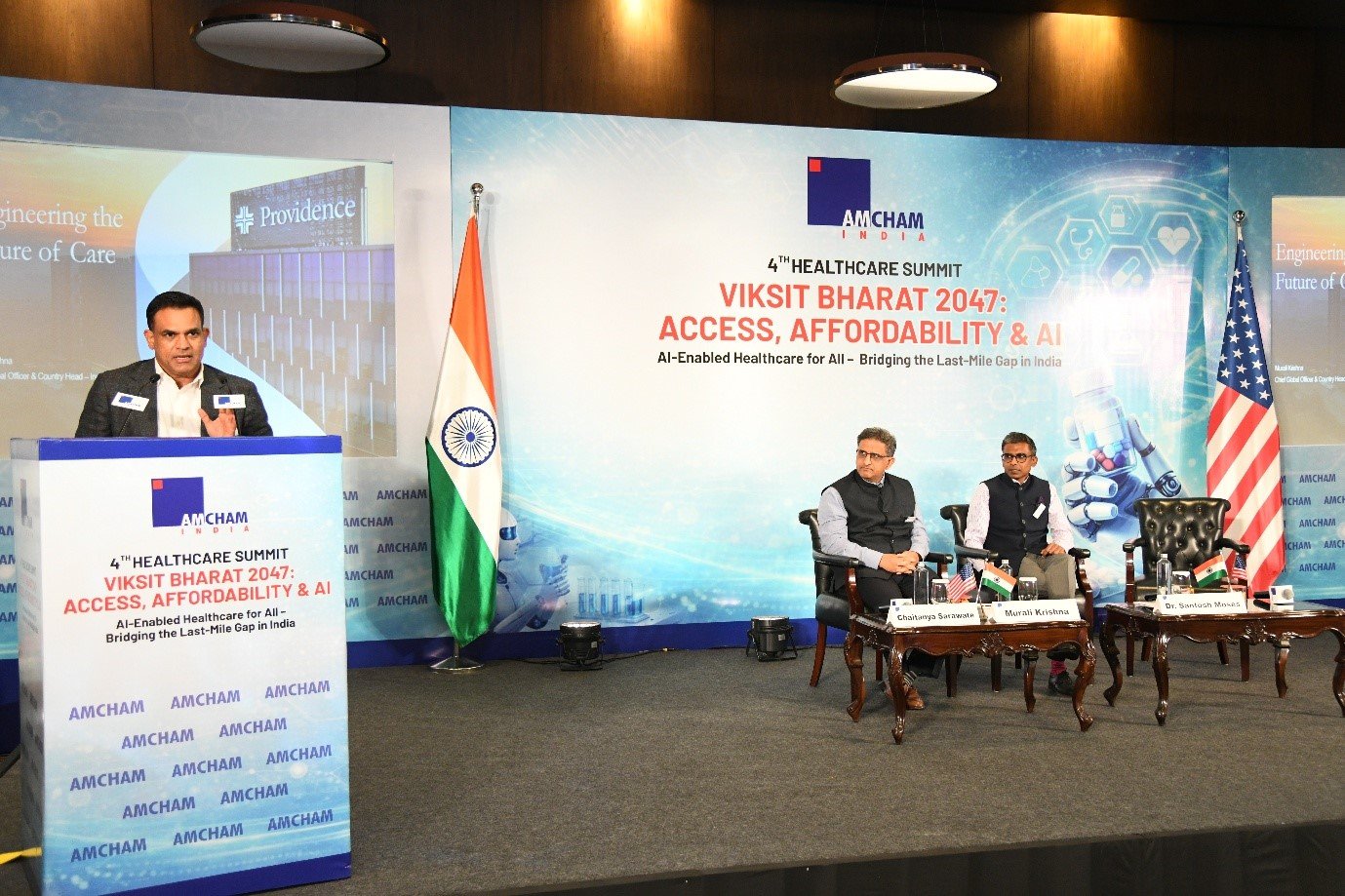
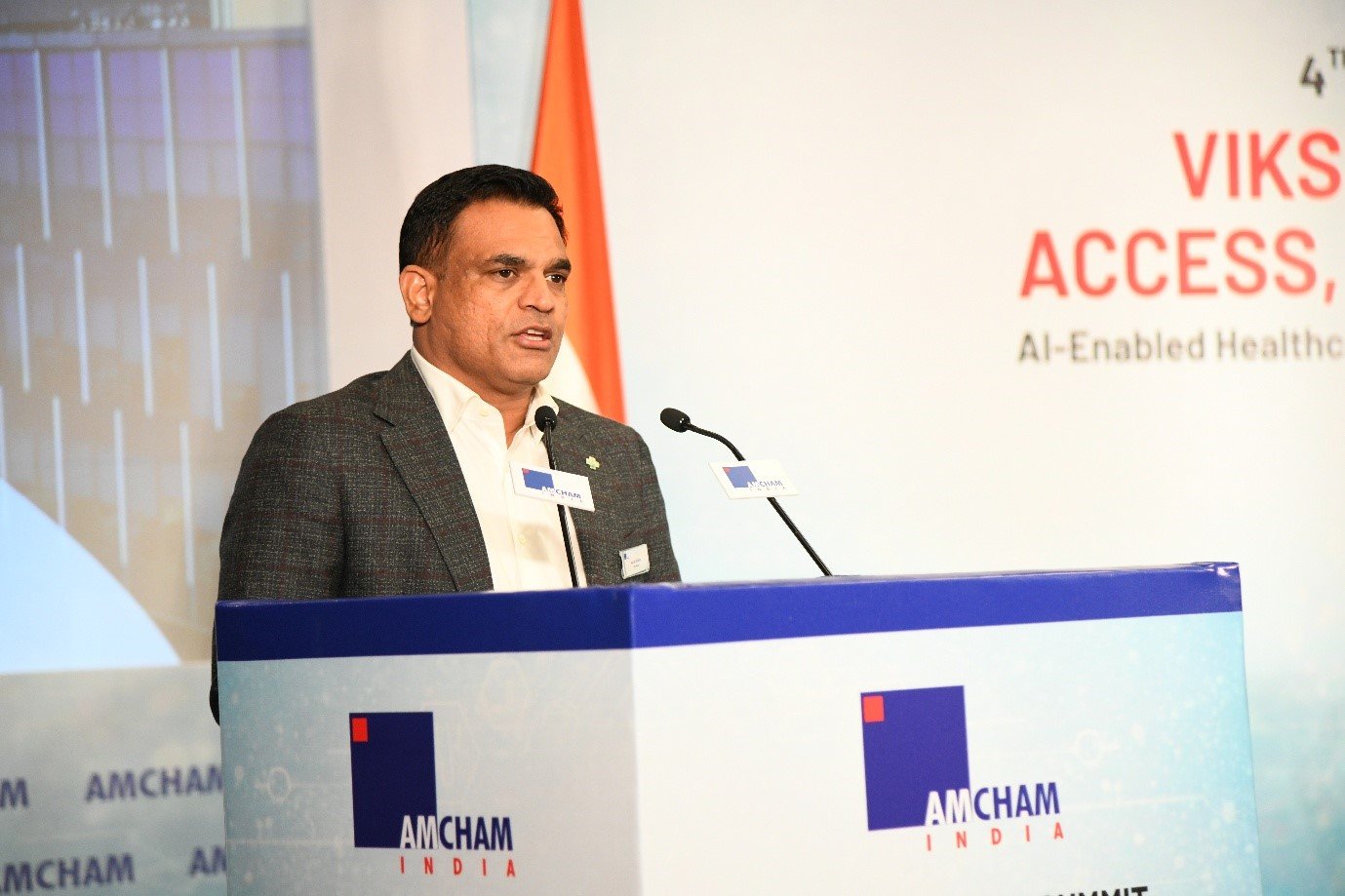
In the closing session, ‘Reimagining Care: Global Best Practices for India’s Healthcare Transformation,’ Mr. Murali Krishna, Co-Chairman – Hyderabad Chapter, AMCHAM and Chief Global Officer and Country Head – India, Providence, shared his vision for engineering the future of care amid global challenges such as workforce burnout, care shifting beyond hospitals, fragmented systems, and AI-driven transformation. He emphasized reimagining care delivery through predictive risk models and contact center enablement to improve outcomes. He also highlighted the growing role of AI, genomics, and clinical research in shaping next-generation healthcare. Dr. Santosh Moses, Partner, Grant Thornton Bharat deliberated on final recommendations and strategic insights from the summit. He emphasized the need for advancing regulatory harmonization and global alignment, including accelerated adoption of MDSAP, institutionalizing mental resilience as a core health system capability, and enabling standardized digital and AI platforms to support interoperability and scale. He suggested transitioning AI from pilots to population-scale implementation focusing on measurable outcomes and shifting from isolated excellence to system-wide transformation. Mr. Chaitanya Sarawate, Vice Chairman, AMCHAM, Chairman – Medical Technology Committee, AMCHAM and President & CEO, GE Healthcare South Asia, gave the concluding remarks at the summit.
The summit was supported by the following partners: Eli Lilly, GE Healthcare, Providence, Stryker, Zimmer, BD, Boston Scientific, Edwards Life Science, Bausch & Lomb, and Pfizer, with knowledge partner Grant Thornton. Approximately 125 representatives from member companies participated.